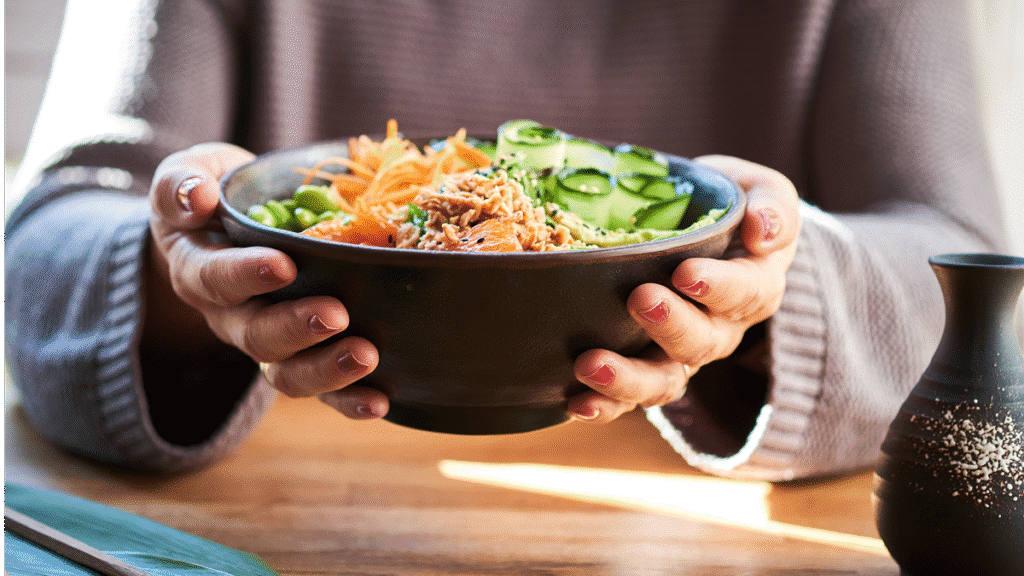
( Freepik )
Everyone faces stress daily. Even though everyone is different, almost every person has to learn how to cope with increasing levels of stress. If you don’t learn to cope, you will suffer because of it.
Most people pick up some hobbies to deal with stress. The most popular ones include sports, video games, gambling, and of course, cooking. Sport is good for your mind and body, but it can also cause injuries. Casino play is definitely exciting for many, but it’s important to remember the negative effects of gambling and to play responsibly. And what about cooking?
Cooking is basic, but an incredibly practical tool for stress reduction. Let’s take a closer look in this article and find out what benefits it can bring and whether there are any downsides.
Cooking Is a Powerful Practice of Mindfulness
Unlike other actions, cooking forces you to focus and to bring your mind into the present situation. You can’t handle hot pots, boiling water, and sharp tools without paying attention or you’ll get hurt.
Cooking is repetitive, which helps to build focus and creates a state of mindfulness that you won’t get elsewhere. When mindful, you are not thinking about a stressful moment at work. As you follow a recipe, you’ll almost immediately feel better, especially if you don’t have many external distractions during the cooking process.
Benefits of Mindfulness
- Enhances mood regulation
- Reduces negative thoughts
- Ends rumination
- Improves self-awareness
- May increase empathy
- Could enhance learning and memory
Mindfulness influences two separate stress pathways that work inside the brain. Each of these pathways contributes to your overall stress levels, and by interrupting both, you should immediately note a difference in your level of stress. As you move through a cooking session, if you’re really focused on what you’re doing, you’ll ease the total level of stress you’re experiencing, and you’ll interrupt the brain so it isn’t building additional stress.
Enjoy a Sense of Control Over Your Life
If you don’t own your life, or at least feel in control, you’re going to be anxious. It’s essential to run your life how you want. Cooking is an easy way for you to control your daily activities.
When you plan out meals and cook, you choose the ingredients, you decide on cooking techniques, and you have all the control. This isn’t something you get with restaurant food. If you want to feel like the master of your life, try cooking and start having specific meals that you plan and implement.
If you begin customizing food at home, you may enjoy these benefits:
- Improved emotional processing – Creative work helps with processing difficult emotions.
- Reduced stress – Thinking creatively forces you to leave behind stress.
- Enhanced mood – The creative process naturally lifts moods.
- Improved self-esteem – Making something yourself can leave you with a sense of accomplishment.
Gain Satisfaction From Creation
Building new things with your hands that you can see in front of you when you’re finished is gratifying. Cooking enables you to create something quickly and to enjoy it with friends and family members. There aren’t many activities that give you the ability to create and the instant feedback that cooking offers.
When you cook, you get to see the reaction of anyone you cook for. It’s an instant thing that lets you know when you did well. After making a meal, you can modify your recipe and improve things further. It’s entertaining to modify an already good recipe to make it great. Start small, build cooking skills that will help you get the best food, and eventually, you’ll be proud of your creations.
( Freepik )
Enhance Your Nutrition, Alertness, and Overall Health
Poor nutrients will make you feel surprisingly bad. Some people think they’re sick or dying when they’re actually just suffering from a poor diet. If you feel stressed and cannot manage your anxiety or your emotions, you may just have a bad diet.
Cook for yourself and get access to healthier foods with more nutrients almost immediately. Takeout foods aren’t designed to make you healthy; they are made to taste good. Creating food for health is a simple step to make your brain and body work at a higher level.
Nutrients Are Responsible for Healthy Brain Function
Like all the other organs inside your body, your brain relies on the food you eat for its fuel. Bad food means bad fuel. If you’re not eating food with all the fats and vitamins your brain needs, it’s going to starve and stop performing well.
Your brain can keep going after other areas of your body suffer because it gets priority access to vitamins, but eventually it will starve, and you’ll suffer. If you don’t get enough nutrients into your brain, it will suffer in huge ways. Your ability to think, remember, and react all depend on things like iron, folate, and zinc being inside your body and blood at the right levels.
Without those things, your brain cannot perform like it’s meant to. The food you’re consuming regularly has such a significant impact that there are special diets designed specifically for gamers . Professional gamers require their brains to react quickly and to focus for hours, and only the right quantities of healthy nutrients make that possible.
Key Micronutrients for Brain Health
By learning what nutrients are essential for your brain’s health, you can start incorporating the best foods into your daily diet to aid in your health goals.
| Zinc | Essential for proper immune system function and brain growth |
|---|---|
| Vitamin B6 | Required to make neurotransmitters, part of the brain’s reaction system |
| Vitamin B12 | Needed to make myelin, the protective layer covering the nerve fibers |
| Iron | Responsible for transporting oxygen to the brain and other areas of the body |
| Omega-3s | Important fatty acids used when building parts of the brain itself |
| Folate | Required during all cell growth and division within the brain |
Reduce Your Monthly Expenses
Many people become stressed due to having too many monthly expenses and not enough income. If you’re searching for a way to reduce your expenses, cooking for yourself more frequently is an excellent solution. Generally, it’s more affordable to cook for yourself than it is to purchase food from restaurants and takeout establishments.
Cooking meals at home is more affordable because:
- Ingredients are more affordable than takeout
- You can purchase ingredients in bulk and save more
- Once food and ingredients are stocked, meals don’t require transportation to obtain
Begin planning your meals and purchasing affordable ingredients, and you’ll free up money each month for other expenses instead.
Conclusion
Decide at this moment that you will make meals for yourself, and take a step toward less stress and superior health. Good food is affordable if you cook it yourself, and your brain and body will thank you. You have to try harder to make your own food, but you’ll feel good doing it. Enhance your cooking skills and save money while feeling better.
A bathroom vanity is the centerpiece of your bathroom. It frames the sink, stores essentials, and often sets the tone for the whole space. But vanities can also age fast — the finish peels, the color fades, or the style simply goes out of fashion.
Painting your bathroom vanity is a simple, budget-friendly way to breathe new life into your bathroom without the cost of replacing it. It lets you refresh the design, add personality, and make the room feel brand new — all in a weekend.
Before & After Reveal
Imagine your dull oak cabinet transformed into a sleek navy-blue bathroom vanity with brushed brass hardware. Fresh paint can make an outdated vanity look custom-built. Before you begin, take a few “before” pictures. They’ll keep you motivated during sanding and priming — and the “after” photos will be incredibly satisfying.
Tools & Materials You’ll Need
Before picking up a brush, gather all your supplies:
- Screwdriver (to remove doors and hardware)
- Painter’s tape
- Drop cloths
- Degreasing cleaner
- Wood filler
- 120- and 220-grit sandpaper
- High-quality bonding primer
- Enamel or cabinet paint (semi-gloss or satin finish)
- Mini foam roller and angled brush
- New knobs or pulls (optional)
- Polyurethane topcoat (optional for extra durability)
Having everything ready will make the process smoother and less frustrating.
How to Prep the Vanity Surface
Removing Doors, Drawers & Hardware
Start by removing all doors, drawers, and hardware. Label them if needed so reassembly is easy later. Place the pieces on a clean surface where you can paint them flat.
Cleaning Thoroughly
Use a degreasing cleaner to scrub every surface. Soap residue, dust, and oils can prevent paint from sticking, so don’t skip this step.
Filling Holes & Sanding
If you’re replacing the hardware, fill the old holes with wood filler. Once dry, sand everything lightly with 120-grit paper, then smooth with 220-grit. Sanding scuffs the surface so primer adheres better.
Masking
Use painter’s tape to protect walls, floors, and counters around the vanity.
Should You Prime?
Yes — especially if your bathroom vanity has a glossy finish, laminate surface, or bare wood spots.
A bonding primer creates a grippy surface for paint and prevents stains from bleeding through. One thin, even coat is usually enough. Let it dry fully according to the label.
Painting the Vanity
Brush vs Roller vs Sprayer
For most DIYers, a mini foam roller gives the smoothest finish on flat areas, while an angled brush works well on corners or details. A sprayer creates a flawless finish but requires more setup and ventilation.
Number of Coats & Drying Time
Apply two to three thin coats of paint, letting each coat dry completely before adding the next. Rushing this stage can cause peeling later.
Paint Finish
Choose enamel or cabinet paint in satin or semi-gloss for durability and easy cleaning. Matte finishes can look beautiful but show water marks more easily.
Finishing Touches & Hardware
Once the paint is fully cured, you can add:
- New knobs or pulls for a fresh look
- A protective polyurethane topcoat for extra moisture resistance
- Felt bumpers to prevent paint chips when doors close
Reattach the doors and drawers carefully to avoid scratching the new finish.
Tips to Get a Smooth, Long-Lasting Finish
- Avoid painting in high humidity — the paint won’t cure well.
- Always use thin coats. Thick paint tends to sag or leave brush marks.
- Lightly sand between coats with 220-grit for a factory-smooth finish.
- Let the vanity cure for several days before heavy use.
Project Showcase & Reflection
Painting a bathroom vanity is one of the fastest ways to transform your bathroom. It can take a space from “builder-basic” to boutique-level with just patience and the right tools.
Beyond saving money, it’s rewarding — you get to admire something beautiful every morning that you created with your own hands.
Quick Recap: Steps Summarized
- Remove doors, drawers, and hardware
- Clean all surfaces thoroughly
- Fill holes and sand smooth
- Apply bonding primer
- Paint 2–3 thin coats, letting each dry fully
- Add a protective topcoat (optional)
- Reattach hardware and enjoy your “new” bathroom vanity
Your Turn! Try It Yourself
Instead of replacing your old bathroom vanity, give it a second life with paint. The process is straightforward, the cost is low, and the transformation is dramatic.
Roll up your sleeves — your dream bathroom is only a few brushstrokes away.
