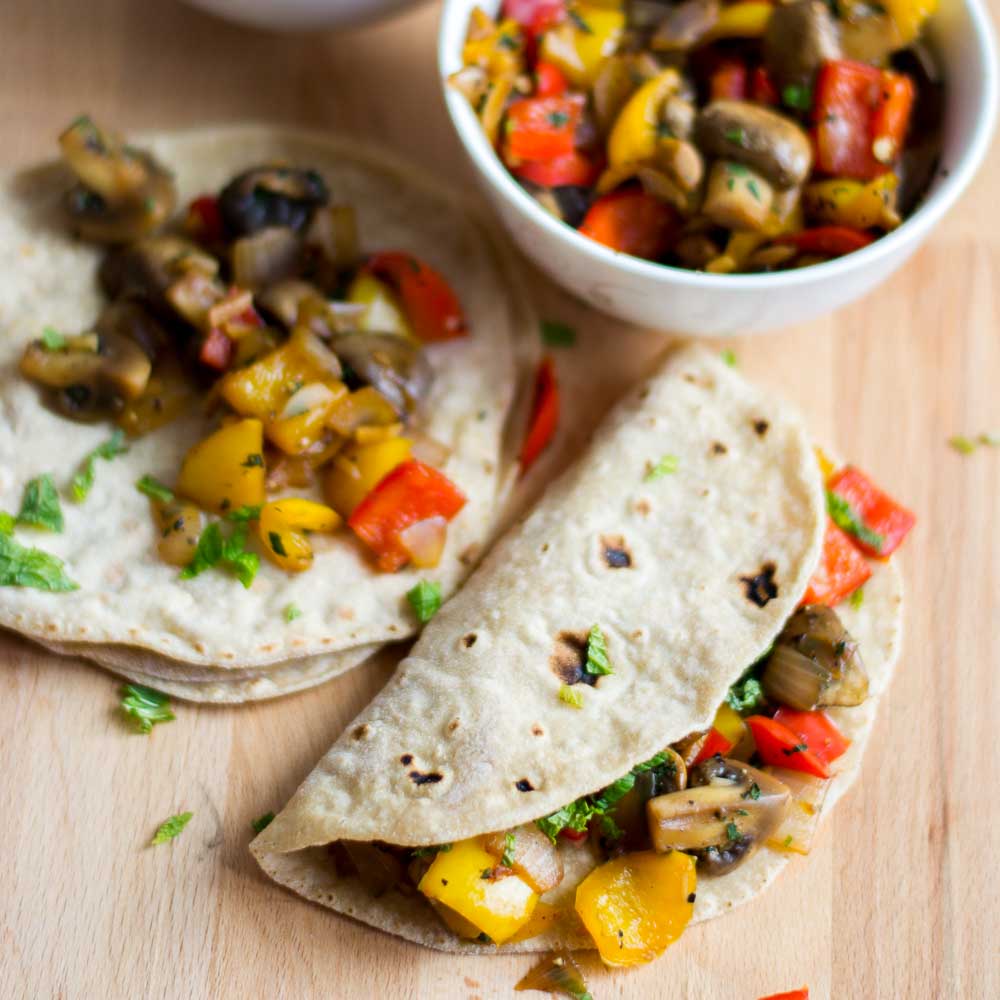
What do professional footballers eat? For athletes at any level, what they eat is essential to the way they are able to perform. For professional athletes, what you eat is even more important.
Some of the best athletes in the world are footballers, especially those playing at the elite level such as the Premier League in England, La Liga in Spain or the Bundesliga in Germany.
All football clubs in these leading divisions will have an in-house nutritionist along with a head chef and other support staff, specifically focussing on players’ diets and their overall health and wellbeing.
This helps to ensure professional footballers are eating the right types of food at the right time, ensuring they are in peak physical condition for maximum performance during matches.
What’s in a professional footballer’s diet? When it comes to what to eat as a professional footballer, there is no one-size-fits-all approach. Every footballer will have different requirements depending on their weight, height, body fat percentage, muscle mass, as well as their position on the field.
A central midfielder like Jordan Henderson, for example, will have very different requirements to a central defender such as Virgil Van Dijk or a centre forward like Harry Kane. Players in these positions perform different roles with central midfielders running an average of 11.2km per game , central defenders 9.4km and centre forwards 9.5km.
Not only do the distances these players run differ, but the way they run those distances also differ with centre forwards and central defenders often carrying out more short sprints, rather than the constant motions of a central midfielder.
Whilst the individual diets of footballers will be tweaked by a nutritionist, the overall composition of what footballers eat doesn’t really change that much. Here are some of the primary components of a Premier League footballer’s diet:
Carbohydrates Like any athlete, carbs are an important part of a footballer’s diet as it provides the fuel to keep them going, in training and in matches. Carbohydrates help to fill up a footballer’s glycogen stores, however, these are quickly depleted which means that footballers need to have a high percentage of carbs in their diet.
Non-refined carbs are a favourite amongst Premier League players and these include:
- Whole Grains – whole wheat bread, pasta, and rice
- Vegetables – broccoli, peppers, potatoes, and peas
- Fresh Fruit – apples, pears, bananas, and blueberries
- Beans – lentils. Black beans, and kidney beans
- Dairy – low-fat milk, and yoghurts
If you want to eat like a professional footballer, check out some of these whole grain vegan recipes that will tick off a number of those high carbohydrate boxes:
- Veggie Burrito Bowl
- Vegetable Stir Fry
Protein As you might expect, protein is another important element of a footballer’s diet. As well as helping to build muscle, protein is also great at repairing muscle following training and matches. Footballers need to consume a high volume of protein in order to stay fit and healthy and improve overall muscle strength and toning.
Foods that are high in protein include:
- Poultry
- Lean red meats
- Beans
- Eggs
- Fish
In addition to the protein footballers consume in their meals, most footballers will also use protein supplements to boost their protein intake. This is particularly common before and after both training and matches. A protein shake has a number of benefits, not least the fact that it is less bloating for players before a match or training.
Post-game, a protein shake is a quick and easy way to boost their protein intake and stimulate muscle protein synthesis (MPS).
If you are looking for inspiration for protein-rich recipes you can try today, check out these ideas featuring egg and chicken:
- Vegetable omelette
- Chicken roast
Fat Whilst fat has a lot of negative connotations and is not something you would think about when discussing the ideal diet for a professional athlete, there are two distinct types of fat: healthy and unhealthy.
Healthy fats are an important part of any athlete’s diet as they help to increase nutrient absorption in the body. Like most foods, it is important to moderate the amount of fat you consume. Professional footballers don’t want to increase their fat mass which in turn, could slow them down on the pitch.
If you want to include healthy fats as part of a balanced diet, consider consuming more of the following:
- Avocado
- Nuts – walnuts, cashews, and almonds
- Seeds – sunflower, chia, and flax
- Oily fish – salmon, tuna, and trout
Eating these healthy fats, as a snack or as part of your main meal, can help to add balance to your diet and ensure you are maximising your nutrient intake from other sources.
Hydration As well as closely monitoring the food they consume, it is also important that Premier League footballers hydrate. Premier League footballers can sweat over a litre of fluids during the course of a 90-minute game, and this can increase in hot climates like those players are likely to face at the 2022 World Cup in Qatar.
Premier League team Wolverhampton Wanderers use hydration specialists, Precision Fuel & Hydration , to help them to monitor the hydration levels of their players throughout the season, both in training and matches.
They work closely with the club’s Head of Nutrition, Dr Mayur Ranchordas and this focus on ensuring players are in peak physical condition throughout the season has reaped the benefits over the past 12 months. Wolves finished in 10th position in the Premier League in 2021-22, representing another solid season. They are currently 13.00 with Betway Sports to finish in the top six in 2022-23, improving on their best finish of seventh in 2019-20 .
When it comes to hydration, footballers primarily drink water, supplemented with sports energy drinks that provide valuable carbohydrates and electrolytes.
Eat like a professional athlete Whilst every athlete is different, following a balanced diet and keeping everything in moderation is a great way to manage the food you consume and the fuel you provide for your body.
Try some of the recipes above and try and eat a balance of the key food sources to develop muscle and ensure your body is fuelled, no matter what you are doing.
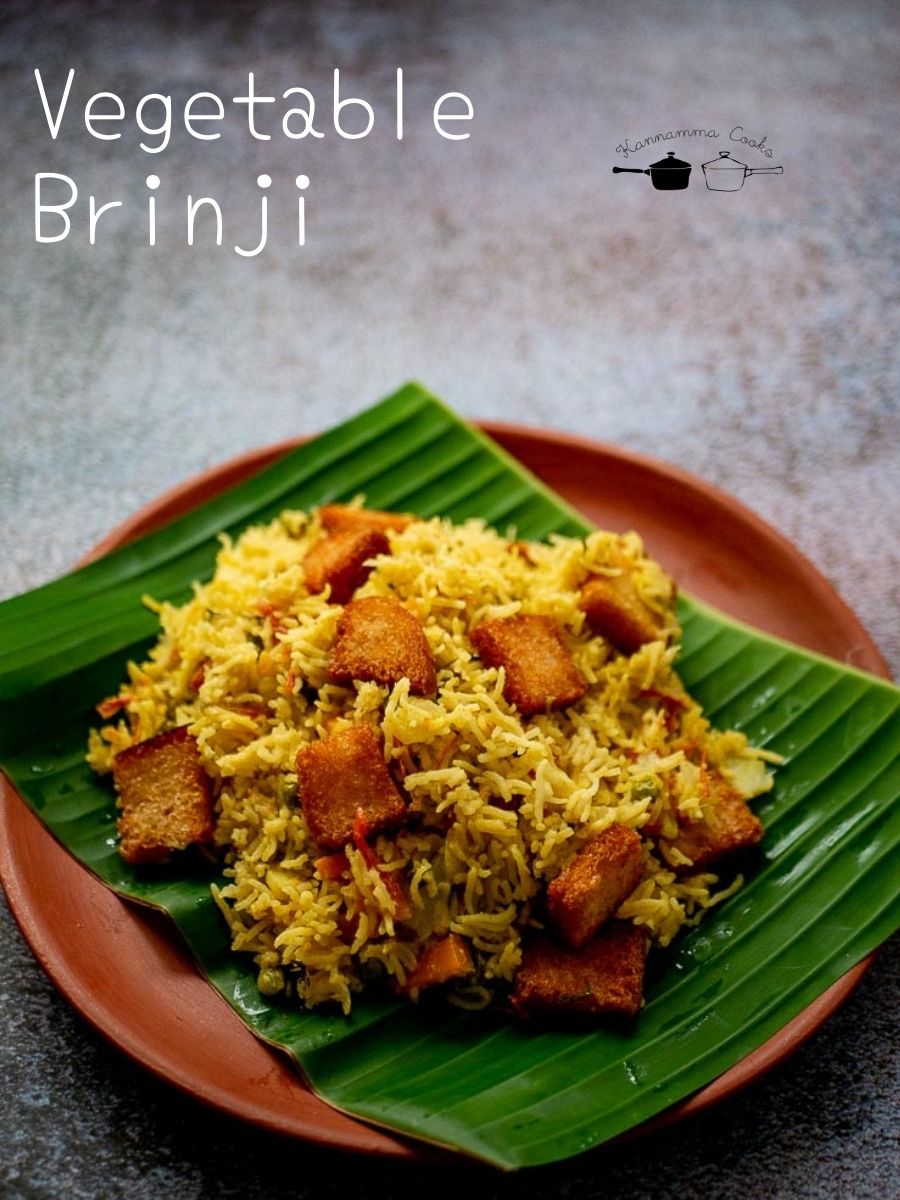
Recipe for Brinji made with mixed vegetables, spices and coconut milk. This is an easy one pot recipe perfect for a lunch box.
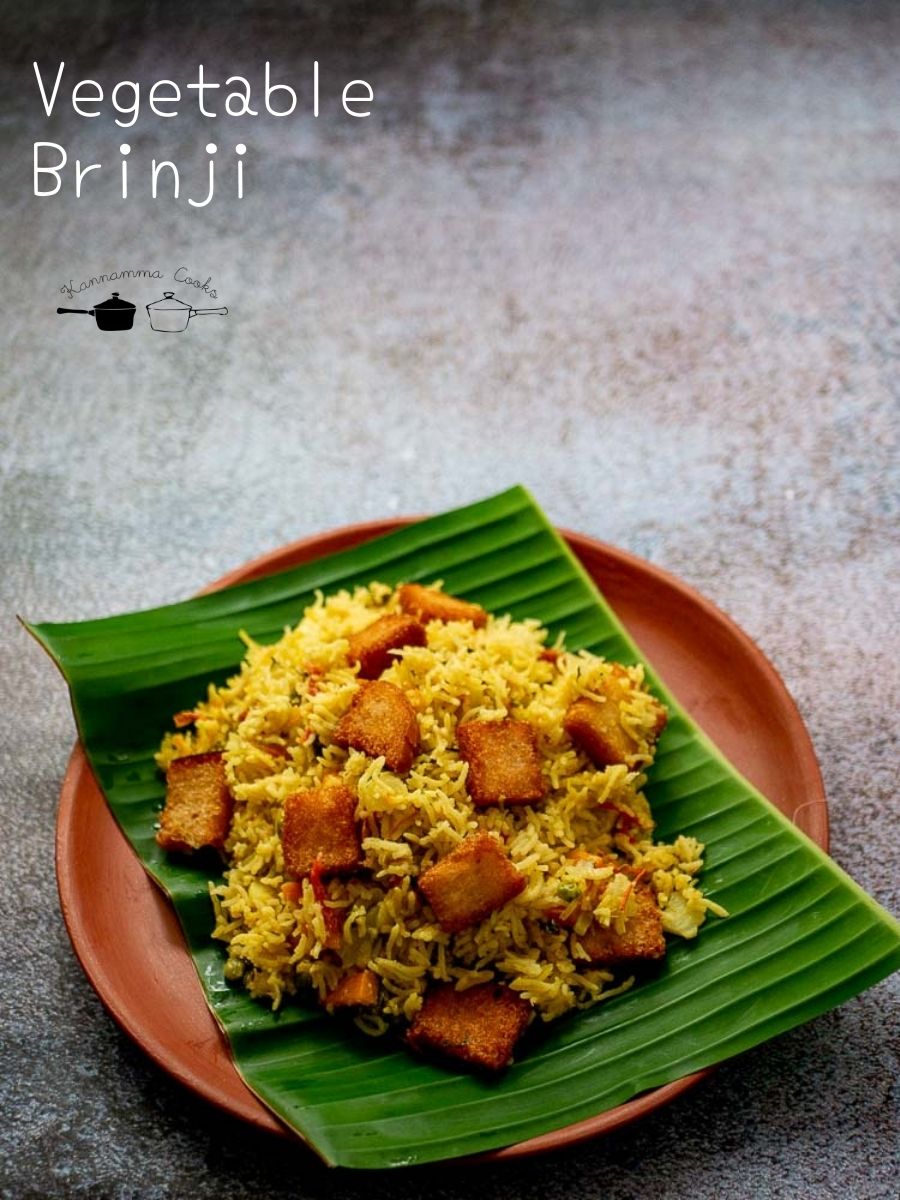
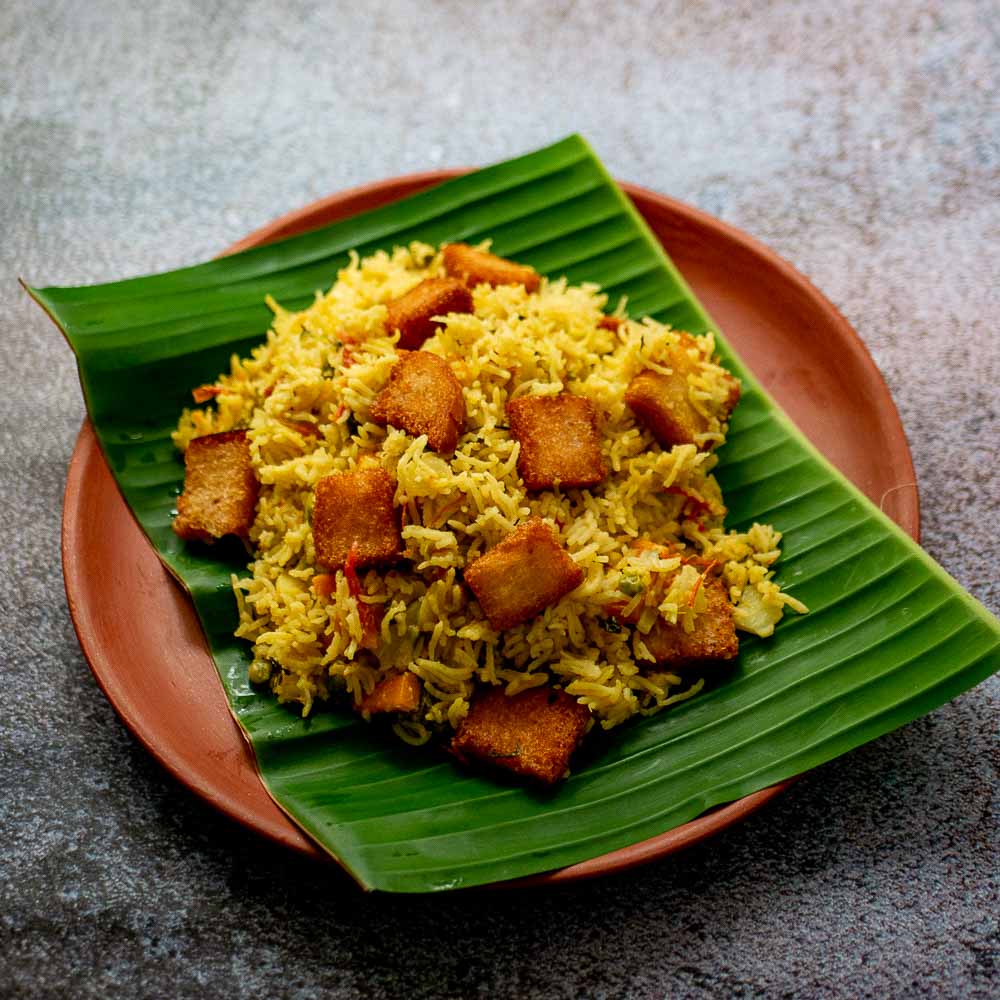
When growing up, brinji was what was made for birthdays and special occasions. Biryani and Pulao are new entrants to Tamil cuisine. As a kid, I loved it when brinji was made. More than the rice, it was the fried bread that made it a dish to look forward to. The fried bread croutons are mixed with the rice at the end. It will soak up the flavours of the rice and will slightly become soggy. The soaked croutons are so tasty to eat and they are very addictive. I still look forward to this dish and it is one of my favorites. My son loves this too. Half of the fried croutons almost always magically vanished before they could meet the rice.
Here is another version of brinji recipe https://www.kannammacooks.com/brinji-rice-tamilnadu-brinji-sadam-coconut/ Here are the things you can buy online for making Vegetable Brinji Recipe Bergner Pressure Cooker 5.5 liters https://amzn.to/3bO1BYn High Curcumin Lakadong Turmeric Powder https://amzn.to/3a99yHh Aged Basmati Rice https://amzn.to/3s2Vjsp Basmati Rice https://amzn.to/3IUeD1S
Here is the video of how to make Vegetable Brinji Recipe
For Brinji Paste
1 pod garlic 1 inch piece ginger 4 long green chillies 1/2 teaspoon fennel seeds 2 tablespoon water
Other Ingredients
1 teaspoon ghee 2 tablespoon vegetable oil 4 cloves 1 piece star anise 2 cardamom 3 bay leaves 1 sprig curry leaves 1 cup onions, sliced 2 tomatoes, sliced 1 teaspoon salt 1/2 teaspoon black pepper powder 1/2 teaspoon turmeric powder 3 sprigs mint leaves, chopped 3 sprigs coriander leaves, chopped 3 cups mixed veggies 1 cup thick coconut milk 2 cups water 2 cups basmati rice 1/2 of a lime, juiced
For Bread Croutons
4 slices bread oil to deep fry
Here is how to make vegetable brinji
We will be using two cups of basmati rice for this recipe. Wash the rice in water. Once the rice is washed, soak in water for 20 minutes. Set aside.
We will be making the brinji in a pressure cooker today as it’s easy and fast. Add some ghee and vegetable oil to the pot. Add in the cloves, star anise, cardamom, bay leaves and curry leaves. Saute for a few seconds.
Add in the sliced onions. Saute the onions till they are soft. It will take about 2-3 minutes. While the onions are cooking, let’s make a brinji paste. Take a small blender and add in the garlic, ginger, some green chillies – adjust the chillies according to your taste. Add in some fennel seeds and little water. Grind this mixture to a smooth paste. Add this paste to the pan. Add in the sliced tomatoes and the salt. Mix well to combine. At this stage, add in a little black pepper powder and turmeric powder. Mix well to combine. Cover the pan with a lid and cook for a few minutes till the tomatoes are soft and mushy.
Once the tomatoes are cooked, add in the mint leaves and the coriander leaves. Saute for a minute after adding the herbs.
We will be using three cups of mixed veggies. Use whatever veggies your family likes. I have used a combination of green peas, potatoes, carrots, green beans and chow chow. Use whatever you have in your refrigerator. Frozen green peas are what I have used today.
Add in the veggies to the pan and mix well to combine. Add in a cup of thick coconut milk. I have used canned coconut milk. Add in two cups of water. In total, that’s 3 cups of liquid made up of coconut milk and water. If using home made coconut milk, you can use a combination of first pressed milk and second pressed milk. In total we need three cups of liquid for this recipe.
After adding the liquid, mix well to combine. Let it come to a boil. Once the liquid is boiling, add in the soaked and drained rice to the pan. Add in juice of half a lime at this stage. Cover the pan with the lid and cook for 2 whistles on medium flame. It should take about 4-5 minutes. After the whistles, wait for the pressure to settle before opening.
In the meantime, get the croutons ready. Dice some bread slices into small squares. Deep fry these bread pieces in hot oil. While frying, keep turning them so they brown evenly on both sides. Remove the bread croutons and drain them on paper towels. They will be oily. Change the paper towels one or two times to drain off the excess oil.
Once the pressure settles, open the cooker and gently mix well. Add in our croutons to the cooked brinji and cover the pan with a lid and allow it to rest for 10 minutes before serving.
A delicious and tasty brinji is ready. Serve hot with a side of a simple yogurt raita and potato chips.
- Author: Suguna Vinodh
- Prep Time: 20m
- Cook Time: 30m
