A complete guide of Vegan vs Keto diet and which of the two is suitable and valued for losing weight.
Vegan Vs Keto For Weight Loss – Which One Is Better?
Vegan is one of the most popular diets known for weight loss, among other options like Keto. The nutrition entails consuming only plant-based meals with the inclusion of grains, fruits, vegetables, and nuts. However, some people argue that due to the restriction of some food groups, a vegan diet is likely to be short of nutrients like calcium, proteins, and iron. But then, it is correct to say that with the right supplements, Vegan is the healthiest diet and the best option if you want to lose weight effectively. The popularity of the eating pattern continues to grow due to the benefits of being a vegan. For instance, vegies are known to age relatively well with healthier gut profiles, low possibility of developing diabetes, and most importantly, with minimized chances of suffering from heart diseases.
The Best Diet For Weight Loss
When it comes to weight-loss diets, the battle has always been between Vegan and Keto. While Vegan entails completely focusing on plants, Keto involves taking high fat, moderate proteins, and very low carbs. The only restrictions when on keto dietary are unhealthy fats and extremely processed items. But when pitted together, vegans get more credit when it comes to the best weight loss diet. As a result, the vegan world has evolved a great deal. Thus, to make the nutrition more delectable and balanced, people are coming up with highly nutritive vegan recipes such as broccoli and tofu stir fry . Furthermore, unlike keto dieters, plant-based meal plans overall have low proteins, carbs, and fats which means you don’t have to watch your food consumption frequency to lose weight. That explains why most plant-based dieters are often thinner.
There are other proven reasons why vegans lose more weight than individuals on the keto diet. One of the main causes is that vegan nutrition has more fiber which is connected to bowel movements, an activity that helps with weight loss. Furthermore, as a weight loss regimen, consuming too much fiber keeps individuals satiated and satisfied until the next meal. You will not find the temptation for snacking in between meals. As a result, a vegan diet helps improve your eating habits, which is crucial when losing weight.
Weight Loss Diet Supported By Most Athletes
Weight loss is a very complex topic with lots of data, research, and materials containing information on how people can effectively reduce their body weight. Whenever the topic comes up, everybody tends to have an opinion, with some even producing facts. However, if you observe the current trends, you will notice that most of the top athletes are considering plant-based meal plans when it comes to the vegan diet vs keto diet. You will be impressed to learn that based on this Top10Casinos.com survey, many top athletes are busting the vegan diet myths and to your surprise, the list contains iconic names.
In the argument between vegan diet vs keto diet, most top athletes often opt for the former, and many of them have managed to maintain top-level performance throughout their careers. Furthermore, they have continued to remain in shape, with some like Tom Brady winning seven NFL titles. In fact, at the age of 40, Tom Brady was named the NFL MVP, thus answering how you can remain fit throughout. Furthermore, that can be a direct answer to the most dreading question, low-carb or low-fat diet for weight loss ? Some of the best ways to know whether you are on the right track when it comes to weight loss are to check your BMI, measure areas such as your thighs, chest, hips, and upper arms, and most importantly when trying out your clothes. If you can wear the once too tight pants with ease, know that you are making progress.
In addition to using the best diet plan, there are exercises that you should consider so that you don’t just lose weight but also become fit, for instance:
- Swimming
- Jogging
- Cycling
- Yoga
- Pilates
- Weight Training
Note that you can combine a couple of the mentioned exercises to improve your overall cognitive and physical health. Just make sure you balance so that you don’t strain in a bid to lose weight. Generally, combining a vegan diet and exercise is an incredible way for both athletes and non-athletes to achieve their weight loss goals.
The Overall Impact Of Vegan Diet
Apart from becoming one of the most recognized weight loss nutrition, Veganism has grown popular and is currently impacting different industries and sectors across the globe. For instance, the diet has impacted the environment by reducing the carbon footprint significantly. 18% of greenhouse carbon emissions come from animal-based agriculture. Thus, by minimizing the need for animal products, Veganism is gradually reducing the number of animal-based greenhouses. Furthermore, the vegan diet has impacted the gambling industry in multiple ways. For instance, it has seen the development of vegan-titled slot machines, not to mention the creation of food-themed slots and fruit-themed slot machines. These slots have made casino gaming versatile and accommodating. Lastly, the diet has inspired individual chefs who are currently coming up with the best whole grain vegan recipes which have completely transformed vegan meal plans. As a result, if you are using the vegan diet to lose weight, it becomes easy to supplement your dishes to get different nutrients while maintaining the overall quality of the food.
Even though the topic of vegan vs keto diet in conjunction with weight loss is always heated, it is crucial to know that the former seems to be working well for more people, including some of the best athletes. Losing weight entails becoming thinner and lighter, something that vegan nutrition can help with. That is because by choosing plant-based meals, you get more fiber, fewer calories, and fewer proteins. Furthermore, you are guaranteed healthy living, a benefit that does not come easily with the keto diet. That makes it easy for you to maintain eating similar portions of food while greatly benefiting weight loss.
Article Contributed by – Dan Dubey

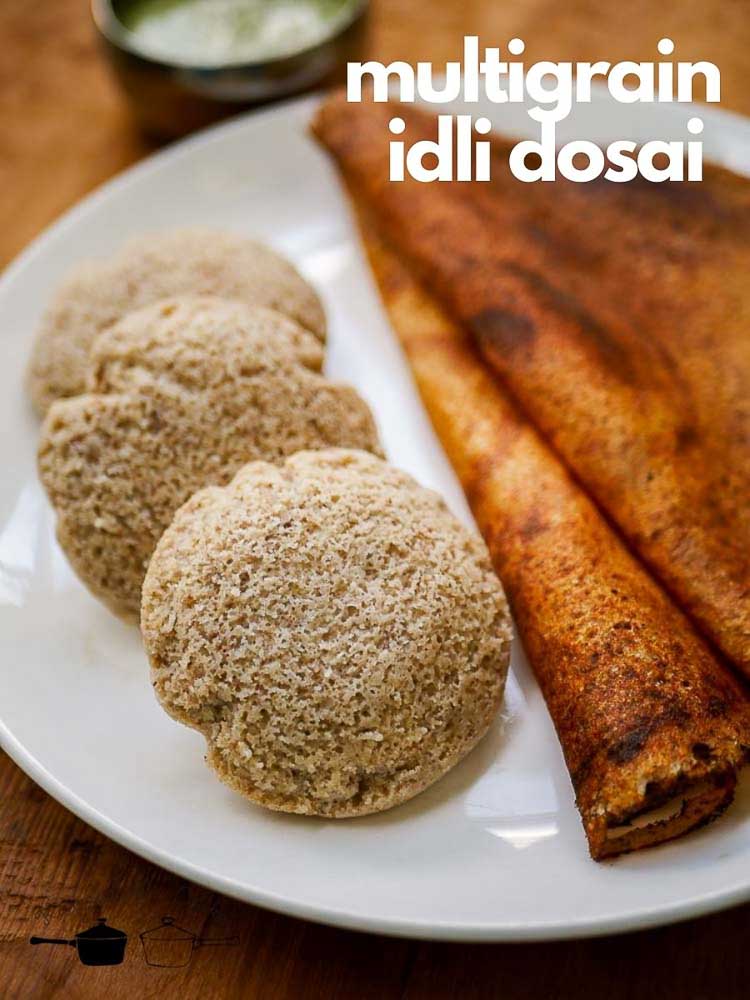
Recipe for Multigrain Idli and Dosai Batter made using 60% whole grains and millets and 40% regular white idli rice. Recipe with video. Multigrain Idli and Dosai Made With Millets, Horsegram & Rice. Healthy Fiber Rich Idli Batter Recipe.
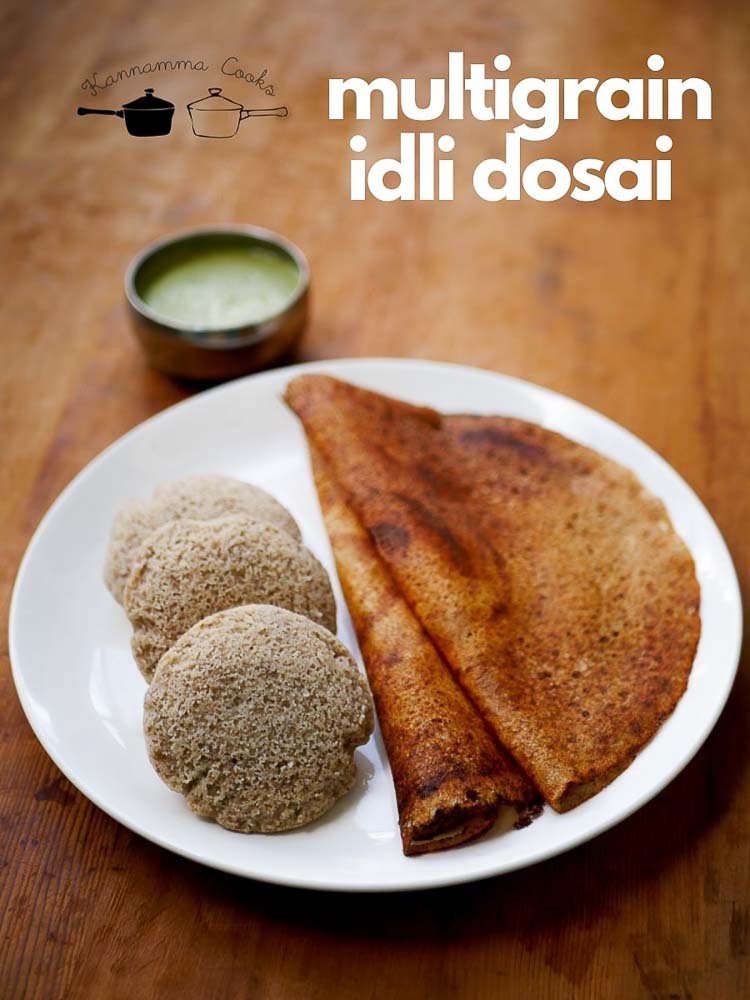
Multi grain Idli and Dosai Batter This is an easy recipe to make and it works wonderfully well. The thing I like about this recipe is the texture of the final idlis. They are soft and lite and perfect for dunking in coconut chutney or sambar. Do try this recipe at home and I am sure this will become a regular at home.
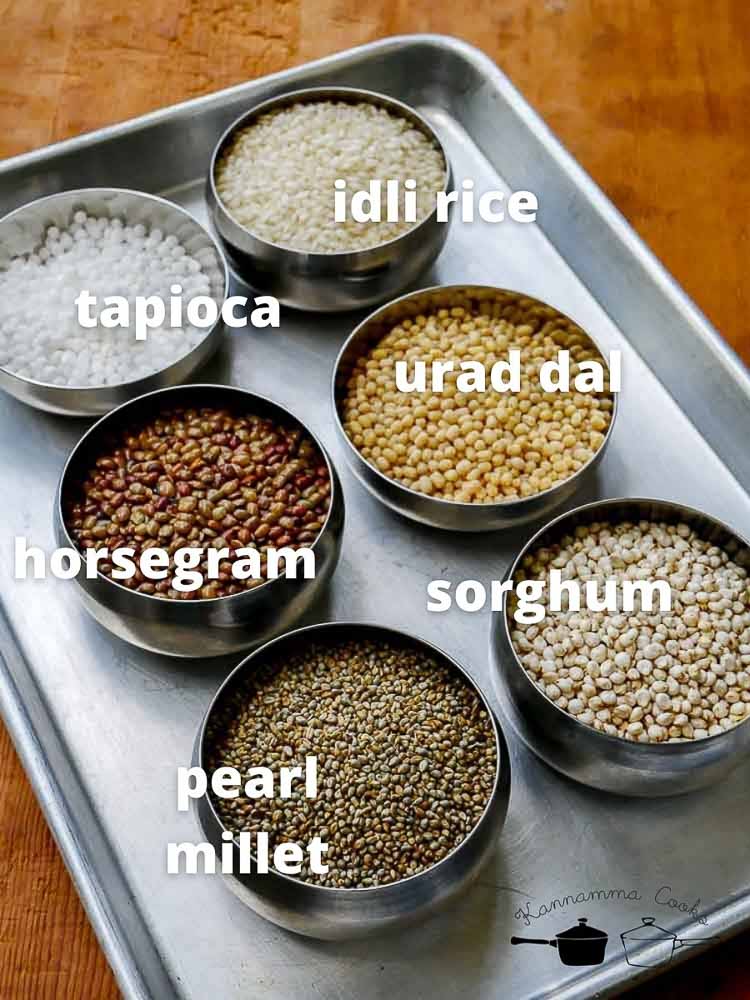
The kind of grains to use I have used: Kollu paruppu – horse gram, kambu – pearl millet and cholam – sorghum millet. You can use any kind of whole grain for this recipe. For example, hand pounded rice, Ragi – finger millet, other types of millet, quinoa etc… I like to keep 60% whole grains and the rest 40% as refined white idli rice. If you have kids at home, try to keep the idlis on the lighter side by adding white / cream based millets like cholam – sorghum and thinai – foxtail millet. If the idlis are darker in colour, they may hesitate to eat. Start with lighter colored millets and slowly you can move to other millets once they are used to.
Adding Idli Rice Many times, I get asked the question whether we can omit the idli rice and use 100% whole grains. My answer is yes and no. When you do it as 100% whole grains and omit the idli rice, it tends to be a little gummy and a little dense. When I am making batter at home, I want to accommodate the needs of everyone. The idli rice just makes idlis lite and gives it a very nice, soft and lite texture. So it’s totally up to you as to whether you want to keep it 100% whole grain or do 60:40 – 60% whole grain and 40% refined white idli rice.
Javvarisi Javvarisi / sabudana is nothing but cooked, processed and dried tapioca. It is an already cooked and dried product. Anything cooked and dried, when rehydrated has an environment conducive for the bacteria to thrive. We add a little ground javvarisi powder to the batter. This batter tends to ferment well and the idlis tend to be really light and soft.
Here are some of the products used in this recipe that may be useful for you. Idli Rice https://amzn.to/3i48pRK Whole White Unpolished Urad Dal https://amzn.to/39EaJKF Rock Salt https://amzn.to/39EaY8x Wet Grinder https://amzn.to/3AHH9ju Idli Cloth https://amzn.to/3zH3Jrc Idli Cloth 2 – https://amzn.to/3AHHYsA Cast Iron Dosai Pan https://amzn.to/39CtWfU
Here is the video of how to make Multi grain Idli and Dosai Batter
200 ml kollu paruppu – horsegram 200 ml kambu – pearl millet 200 ml cholam – sorghum millet 400 ml Idli rice 200 ml whole unpolished urad dal 100 ml javvarisi / tapioca 2 tablespoon salt 900 ml water to grind the batter
MAKING THE BATTER
Wash the urad dal once and soak in water. Soak for 4 hours. Add the soaked and drained urad dal to the wet grinder. We will use about 300ml water to grind the urad dal. The tip in grinding urad dal is to add the water slowly. If you add all of the water at once, it won’t fluff up well. Add water in 3-4 intervals. The dal should fluff up and be lite if lifted with a spatula. It should have increased about 2-3 times of its original volume. Grind for at least 20-30 minutes. After 20-30 minutes, transfer the dal mixture into a bowl and set aside.
Wash and soak the rest of the grains in water. Soak for 4 hours. Grind the soaked and drained grains for 20-30 minutes until smooth. Add 600-700 ml water in two to three intervals while grinding. Grind the javvarisi to a powder and add it along while grinding. Depending on the age of the grains and rice, you might need to add a little bit more water while grinding. Add extra water if the batter is very thick.
After 20-30 minutes, transfer the ground grains mixture to the bowl and set aside. The batter should be smooth.
Finally add in the salt and mix well to combine. Ferment the batter for 6-12 hours. If it’s summer, it will take about 6-8 hours. In winter, it will take a longer time. If you live in a very cold place, leave your batter in some place warm. Leaving your batter inside your oven with the pilot light on works great if you live abroad and your place is cold. Once the time is up, the batter should have increased in volume. Take a ladle and mix it well. Your batter is ready. Refrigerate the batter after fermentation. Use within 4-5 days.
TO MAKE IDLI
Fill two inches of water in an idli vessel and put it on medium flame. Wet a cloth and line an idli plate. Ladle the batter on the plate and steam for 6-7 minutes. After the said time, unmold the cloth. Sprinkle water while unmolding.
TO MAKE DOSAI
Dilute the batter with little water to pouring consistency. Heat the dosai griddle until medium hot. Add 1/3 cup batter and swirl to cover dosai griddle. Sprinkle 1/2 teaspoon of Indian sesame oil / peanut oil or ghee. Cook until underside of the dosai is golden brown, about a minute. Flip once. Cook for a few seconds. Remove dosai from the griddle and repeat with remaining batter. Serve hot.
- Author: Suguna Vinodh
- Prep Time: 24h