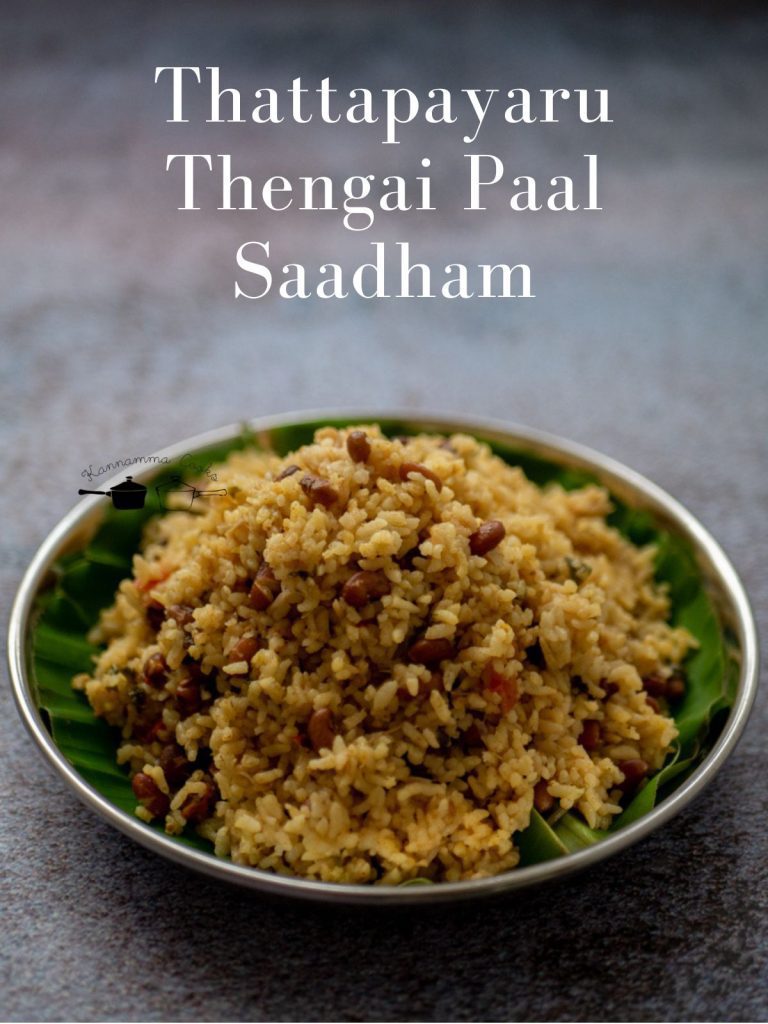
One pot pulao recipe made with cowpea and rice. The addition of coconut milk makes the pulao very rich. Perfect for packing for lunch box.
Any variety of fragrant rice works well in this recipe. I have used Gandhasaale Fragrant Rice. Seeraga samba rice and Basmati rice can also be used for this recipe. Gandhasaale / Gandhakasala Fragrant Rice is a variety of raw rice that grows in the Western Ghats in Kerala. The grains are small, plump, and have a great aroma. It works beautifully in South Indian style biryanis and pulao. The whole house fills up with a heady fragrance when you cook with this rice. The other prized rice from the western ghats is the Jeerakasala rice that most of us are familiar with. Both Jeerakasala and gandhakasala rice come under the GI Tag.
The rice-to-water ratio when cooking pulao in a pressure cooker is 1 rice: 1.5 liquid. In this recipe, for 2 cups of rice, the ideal liquid to be used would be 3 cups. But since we are cooking cowpea along, I have used 3.5 cups liquid ( 2.5 cups water + 1 cup coconut milk). A little liquid extra to cook the cowpea.
Here are the things you can buy online for making this recipe Bergner Tri-ply pressure Cooker Pan https://amzn.to/3S5ksxP Heavy Duty Indian Mixie https://amzn.to/3GptNKD
Here is the video of how to make Thattapayaru Thengai Paal Saadham | Cowpea Coconut Milk Pulao
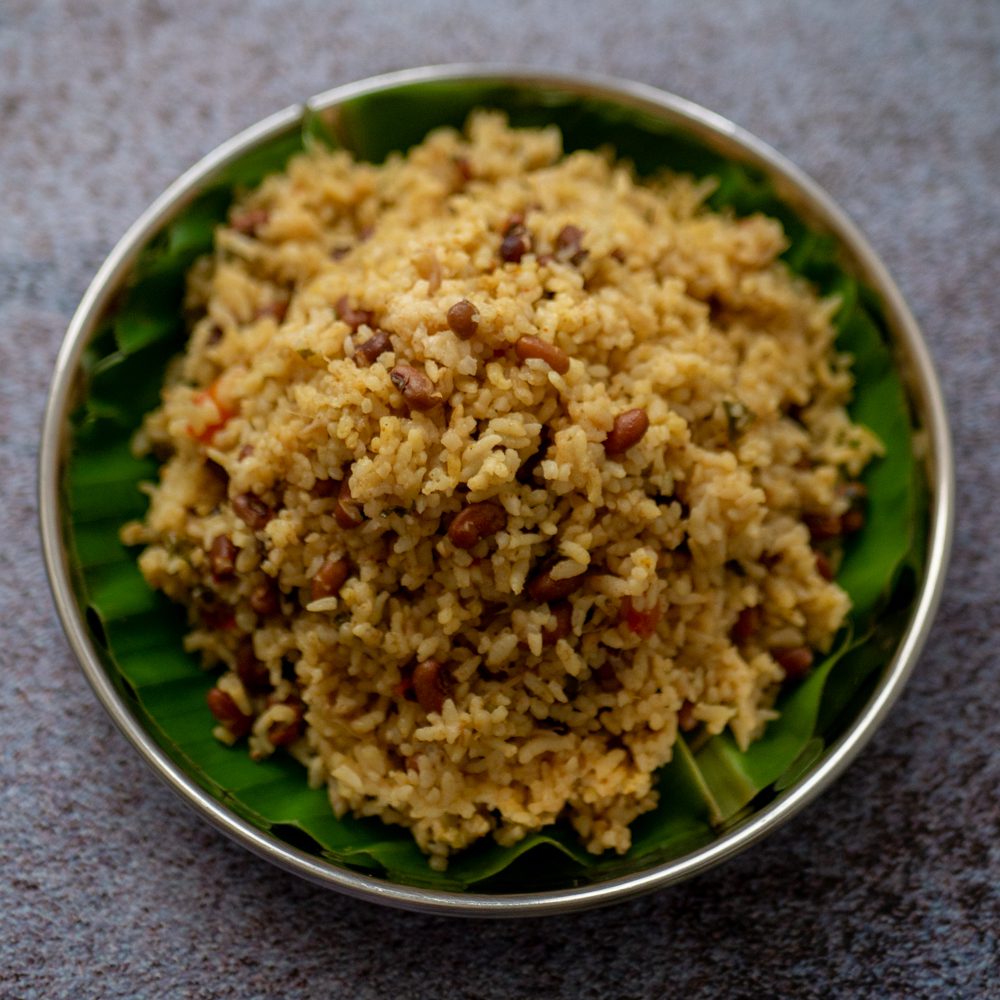
Main Ingredients
2 cups rice 1/2 cup cowpea (thattapayaru) 2 tablespoon coconut oil 1 -inch piece of cinnamon 1 -star anise 2 cloves 2 cardamom 1 sprig of curry leaves 3/4 cup onions, sliced 1/2 teaspoon red chilli powder 1/4 teaspoon turmeric powder 1/2 teaspoon garam masala 2.5 cups water 1.5 teaspoon salt 1/4 cup mint leaves 1/4 cup coriander leaves 1 cup coconut milk 1/2 of a lime, juiced
For the masala paste
1 pod garlic 1 inch piece ginger 1/2 teaspoon fennel seeds 3 green chillies 1/4 cup water to grind 2 tomatoes, chopped
Prep Work
Wash and soak the cowpea in water overnight. Wash and soak the rice just before starting to cook. Grind everything listed under masala paste to a fine paste.
Method
Take a pressure pan and heat little oil. Add the whole spices and the curry leaves. Add the sliced onions and saute till the onions are nice and brown. Add the red chilli powder, turmeric powder and garam masala powder. Saute for a few seconds. Add the ground masala paste and tomatoes. Cook till the tomatoes are soft and mushy. Add the soaked and drained cowpea to the pan. Add the water and the salt and cook for about 15 minutes till the cowpea is almost 75% done. Add the mint leaves and the coriander leaves. Add the coconut milk. Add the soaked and drained rice and the lime juice. Mix well. Cover the pan and cook for two whistles – It should take about 4-5 minutes. Remove from heat and wait for the pressure to settle. Open the cooker and gently mix. Serve hot.
Notes
Any variety of fragrant rice works well in this recipe. I have used Gandhasaale Fragrant Rice. Seeraga samba rice and Basmati rice can also be used for this recipe.
The rice-to-water ratio when cooking pulao in a pressure cooker is 1 rice: 1.5 liquid. In this recipe, for 2 cups of rice, the ideal liquid to be used would be 3 cups. But since we are cooking cowpea along, I have used 3.5 cups liquid ( 2.5 cups water + 1 cup coconut milk). A little liquid extra to cook the cowpea.
- Author: Suguna Vinodh
- Prep Time: 30m
- Cook Time: 30m
Main Ingredients
2 cups rice 1/2 cup cowpea (thattapayaru) 2 tablespoon coconut oil 1 -inch piece of cinnamon 1 -star anise 2 cloves 2 cardamom 1 sprig of curry leaves 3/4 cup onions, sliced 1/2 teaspoon red chilli powder 1/4 teaspoon turmeric powder 1/2 teaspoon garam masala 2.5 cups water 1.5 teaspoon salt 1/4 cup mint leaves 1/4 cup coriander leaves 1 cup coconut milk 1/2 of a lime, juiced
For the masala paste
1 pod garlic 1 inch piece ginger 1/2 teaspoon fennel seeds 3 green chillies 1/4 cup water to grind 2 tomatoes, chopped
Prep Work
Wash and soak the cowpea in water overnight. Wash and soak the rice just before starting to cook. Grind everything listed under masala paste to a fine paste.
Method
Take a pressure pan and heat little oil. Add the whole spices and the curry leaves. Add the sliced onions and saute till the onions are nice and brown. Add the red chilli powder, turmeric powder and garam masala powder. Saute for a few seconds. Add the ground masala paste and tomatoes. Cook till the tomatoes are soft and mushy. Add the soaked and drained cowpea to the pan. Add the water and the salt and cook for about 15 minutes till the cowpea is almost 75% done. Add the mint leaves and the coriander leaves. Add the coconut milk. Add the soaked and drained rice and the lime juice. Mix well. Cover the pan and cook for two whistles – It should take about 4-5 minutes. Remove from heat and wait for the pressure to settle. Open the cooker and gently mix. Serve hot.
Notes
Any variety of fragrant rice works well in this recipe. I have used Gandhasaale Fragrant Rice. Seeraga samba rice and Basmati rice can also be used for this recipe.
The rice-to-water ratio when cooking pulao in a pressure cooker is 1 rice: 1.5 liquid. In this recipe, for 2 cups of rice, the ideal liquid to be used would be 3 cups. But since we are cooking cowpea along, I have used 3.5 cups liquid ( 2.5 cups water + 1 cup coconut milk). A little liquid extra to cook the cowpea.
- Author: Suguna Vinodh
- Prep Time: 30m
- Cook Time: 30m
Find it online : https://www.kannammacooks.com/thattapayaru-thengai-paal-saadham/
In today’s fast-paced world, it’s easy to fall into a routine of eating the same foods over and over again. However, maintaining a healthy and balanced diet requires incorporating a variety of ingredients.
One way to add excitement and nutritional value to your meals is by exploring gourmet grains. These versatile and flavorful grains can be a game-changer in your culinary adventures.
In the following pages, we will delve into the wonderful world of gourmet grains , uncovering their numerous benefits.
What are Gourmet Grains?
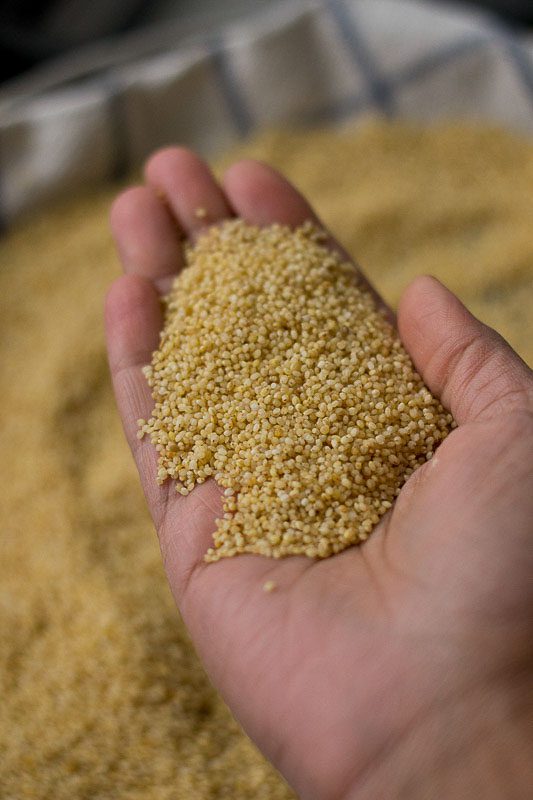
Gourmet grains are a diverse group of grains that go beyond the traditional options like rice and wheat. They come in a wide range of flavors, textures, and colors, making them a delightful addition to any dish.
Some popular gourmet grains include quinoa, farro, barley, and bulgur. These grains are known for their nutritional value, as they are high in fiber, protein, and essential minerals.
The Nutritional Powerhouses
Gourmet grains are not only delicious but also packed with nutrients. They are an excellent source of dietary fiber, which aids digestion and helps maintain a healthy weight.
These grains also provide a good amount of plant-based protein, making them an ideal choice for vegetarians and vegans. Gourmet grains contain essential minerals such as iron , magnesium, and zinc, which are crucial for maintaining overall health and well-being.
Incorporating Gourmet Grains into Your Diet
Now that we understand the benefits of gourmet grains, let’s explore some creative ways to incorporate them into our daily meals:
Gourmet Grain Salads
One of the easiest and most refreshing ways to enjoy gourmet grains is by preparing salads. Cook your favorite gourmet grain according to the package instructions and let it cool.
Toss it with a variety of colorful vegetables, such as cherry tomatoes, cucumbers, bell peppers, and fresh herbs. Drizzle some lemon juice or a light vinaigrette dressing over the salad for a burst of flavor. Y ou can also add some grilled chicken, tofu, or feta cheese for added protein and richness.
Gourmet Grain Bowls
Create a hearty and nutritious meal by assembling a gourmet grain bowl. Start with a base of cooked gourmet grain, and then add your favorite toppings.
Consider adding roasted vegetables, avocado slices, edamame, and a protein of your choice. Top it off with a drizzle of tahini or a spicy sriracha sauce . The possibilities are endless, and you can customize your grain bowl to suit your taste preferences.
Gourmet Grain Stir-Fries
Stir-fries are a quick and easy way to incorporate gourmet grains into your meals. Cook your chosen grain and set it aside. In a hot pan, sauté an assortment of vegetables such as broccoli, carrots, snap peas, and mushrooms.
Add cooked grain and a flavorful sauce of your choice, such as soy sauce or teriyaki. Mix everything together and serve hot. This simple yet satisfying dish will leave you wanting more.
Gourmet Grain Side Dishes
Gourmet grains also make fantastic side dishes that complement a variety of main courses. Instead of plain rice or potatoes, opt for a gourmet grain like pearl couscous or Select rice.
Cook it with vegetable broth for added flavor , and then serve it alongside grilled meats, roasted chicken, or fish. The unique texture and taste of gourmet grains will elevate your meal and impress your guests.
Unleashing the Potential of Gourmet Grains
Gourmet grains encompass a vast array of lesser-known grains that have gained popularity in recent years. Quinoa, a pseudo-cereal originating from South America, has become a staple in many kitchens due to its high protein content and versatility.
Farro, an ancient grain with a nutty flavor and chewy texture, hails from the Mediterranean region and is known for its abundance of fiber and minerals. Barley, often associated with beer production , is a versatile grain that can be used in soups, stews, and salads, thanks to its rich nutty taste and high fiber content.
Bulgur, a staple in Middle Eastern cuisine, is made from cracked wheat and boasts a quick cooking time and a mild , earthy flavor. These gourmet grains are not only delicious but also packed with essential nutrients, making them an excellent addition to any diet.
Nutritional Powerhouses in Disguise
Gourmet grains are not just flavorful and versatile; they are also nutritional powerhouses. These grains offer a wide range of health benefits, including:
Fiber: Gourmet grains are an exceptional source of dietary fiber, which aids digestion, promotes satiety, and helps maintain a healthy weight. By incorporating these grains into your meals, you can increase your daily fiber intake and support digestive health.
Protein: While most grains are not complete protein sources, gourmet grains such as quinoa and farro are exceptions. They contain all nine essential amino acids, making them ideal choices for vegetarians, vegans, or anyone looking to reduce their meat consumption.
Essential Minerals: Gourmet grains are rich in essential minerals like iron, magnesium, and zinc. Iron is essential for oxygen transport in the body, while magnesium plays a crucial role in nerve function and bone health.
Adding variety to your diet doesn’t have to be a daunting task. By incorporating gourmet grains into your meals , you can introduce new flavors, textures, and nutrients to your diet. Whether you choose to create salads, bowls, stir-fries, or side dishes, gourmet grains offer endless possibilities for culinary exploration.
Select high-quality gourmet grains like pearl couscous, which provide exceptional taste and texture. These premium grains can elevate your dishes to a whole new level. If you’re looking to purchase gourmet grains, consider trying RiceSelect Pearl Couscous , a brand known for its superior quality and taste.
By diversifying your diet with gourmet grains, you’ll not only satisfy your taste buds but also reap the nutritional benefits they offer. These grains are packed with fiber, protein, and essential minerals, making them a wholesome addition to any meal. Embrace the versatility of gourmet grains and let your creativity flourish in the kitchen.
Remember, the key to a healthy diet is to enjoy a wide range of nutritious ingredients. So, why not start by introducing gourmet grains into your culinary repertoire? Your taste buds and your body will thank you for it.
Article contributed by Kristina
