Filipino Street Food as a Cultural Signature
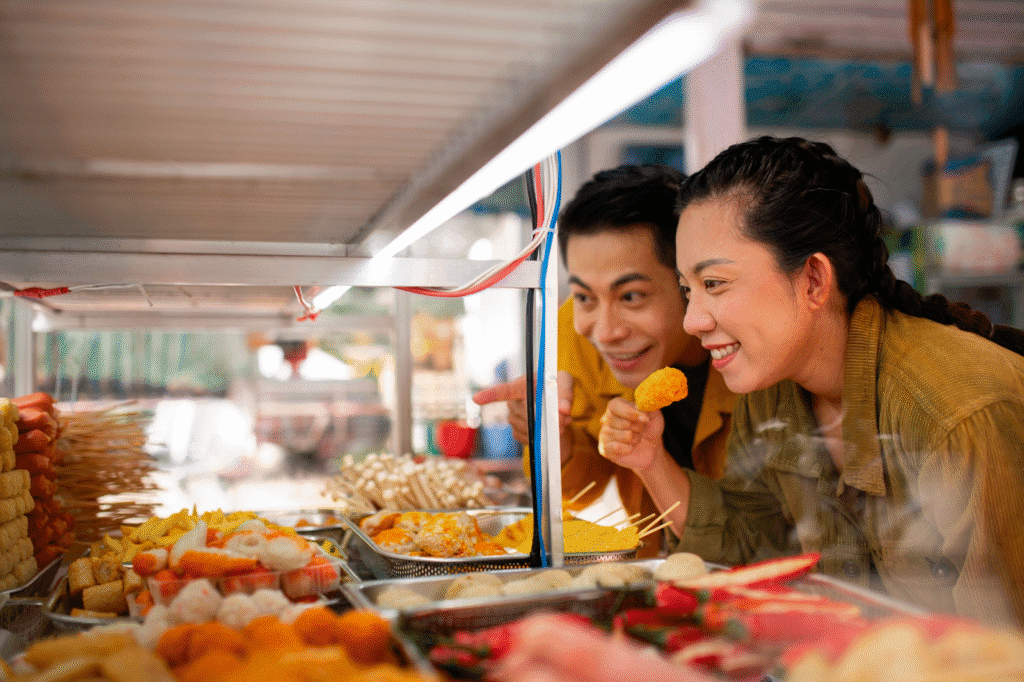
The street food scene in the Philippines is one of the nation’s most expressive cultural signatures. Walk through Manila, Cebu, Iloilo, or Davao at any hour and you’ll find smoky grills, bubbling fryers and vendors serving familiar scents that tie entire communities together. For many Filipinos, these stalls are more than food stops: they are daily rituals, social spaces and extensions of neighborhood identity.
Travelers quickly fall in love with this energy. Street food becomes the gateway to understanding how people live, gather and celebrate flavor. Every skewer, every fried snack and every sweet treat is a story of creativity, adaptation and shared appetite.
Isaw
Isaw is often the dish that first grabs attention. These grilled chicken or pork intestines, meticulously cleaned and boiled before grilling, are seasoned with charcoal smoke and served with spiced vinegar dipping sauces. The flavor is robust and the texture unique, which makes isaw both a comforting staple for locals and an adventurous discovery for visitors. Vendors set up near schools, jeepney stops and night markets, turning their makeshift stands into small hubs of conversation and laughter.
Kwek-Kwek
Another favorite that dominates the street-food roster is kwek-kwek. These deep-fried quail eggs, coated in orange batter, offer a satisfying crunch that makes them especially popular among students and night-shift workers. The simple mix of egg, batter and sauce becomes a quick burst of warmth during busy days. Kwek-kwek’s vivid color and reliable flavor help it stand out across busy food corners where people gather for a short break before moving on with the rest of their routines.
Balut
Balut, arguably the country’s most iconic street food, carries a stronger cultural weight. This fertilized duck egg is eaten with a mix of ritual, pride and curiosity. Many Filipinos grow up eating balut during late-evening strolls or while chatting with friends outside the house. Travelers often try it as a challenge, but those who appreciate the layers of broth, yolk and tender meat understand why it has lasted through generations. Balut vendors, walking through neighborhoods with baskets or coolers, remain symbolic figures of Filipino night culture.
Fish Balls and Banana Cue
Fish balls and banana cue complete the set of street-food essentials. Fish balls, served skewered straight from hot oil, absorb sauces ranging from sweet to spicy to strongly vinegared. The dipping ritual is half the fun: people gather in groups around the sauce trays, choosing flavors, chatting while waiting for new batches to fry. Banana cue, on the other hand, relies on the natural sweetness of saba bananas caramelized with brown sugar. The crisp coating gives way to soft fruit, making it a universally loved afternoon snack.
Street Food as a Social Space
These dishes thrive not only because they are cheap and tasty but because they turn ordinary spaces into social arenas. Sidewalks, sari-sari store fronts, university gates and transport hubs all transform into shared eating zones. Vendors become part of the neighborhood’s rhythm, offering consistency in a fast-moving environment. Their presence builds culinary identity: each city has its own variation of sauces, spice levels or frying techniques that distinguish one stall from another.
Street Food and Filipino Sports Culture
Street food also intersects with Filipino sports culture. During major basketball, boxing or football matches, people often gather around food stalls or set up screens at home while enjoying their favorite snacks. Moments like these connect food with entertainment, turning snacks into small rituals of celebration. Some fans who enjoy following big games also participate in light online engagement during match nights – a mix of excitement, community and digital interaction woven into the viewing experience. The broader sports community continues to grow both offline and online. With basketball and boxing being national passions, fans frequently look for digital spaces that match their enthusiasm for live games, player performances and pre-match analysis. That interest brings attention to a reputable betting site Philippines that caters to local sports followers. Such platforms becoming a natural part of how fans stay engaged with the action
Digital Platforms and Fan Engagement
Many Filipinos are exploring sports culture through platforms tailored to local audiences, and in this context, some are turning to online casino Philippines , which cater to the country’s interest in digital entertainment. These apps’ services are becoming part of how fans combine relaxation with the excitement of game day..
As mobile access becomes a vital part of daily life in the Philippines, many users prefer sports-related tools that work seamlessly on their phones. This makes app-based platforms especially attractive, especially for those who multitask while watching games or snacking on street food. Among the options, some users rely on MelBet IOS in Philippines for convenient navigation and ease of use, providing a smooth way to stay connected to ongoing matches. Even as these digital layers grow more popular, the core of Filipino street-food culture remains unchanged: people gathering in shared spaces, bonding over flavors and comfort. The stalls continue to be small anchors of everyday life, whether they serve grilled skewers during rush hour or sweet banana cue on warm afternoons. Vendor communities pass down their techniques, shapes, dips, and secret touches through generations.
Emotional Connection to Filipino Street Food
Travelers who wander through these streets quickly understand why people describe Filipino street food as intimate and emotional. It reflects resourcefulness and joy, transforming simple ingredients into dishes that carry memories and pride. Every bite connects you to the environment – the noise of tricycles, the chatter of students, the glow of small lamps shining on freshly grilled isaw.
The love for street food continues to grow because it feels honest, warm and accessible. Locals return to the same vendors for years, forming bonds over routine orders and late-evening cravings. Visitors return home with unforgettable stories shaped by flavors they didn’t expect to love. In the Philippines, street food is not merely a category of cuisine. It is a collective experience rooted in community, shared appetite and the vibrant identity of everyday Filipino life.
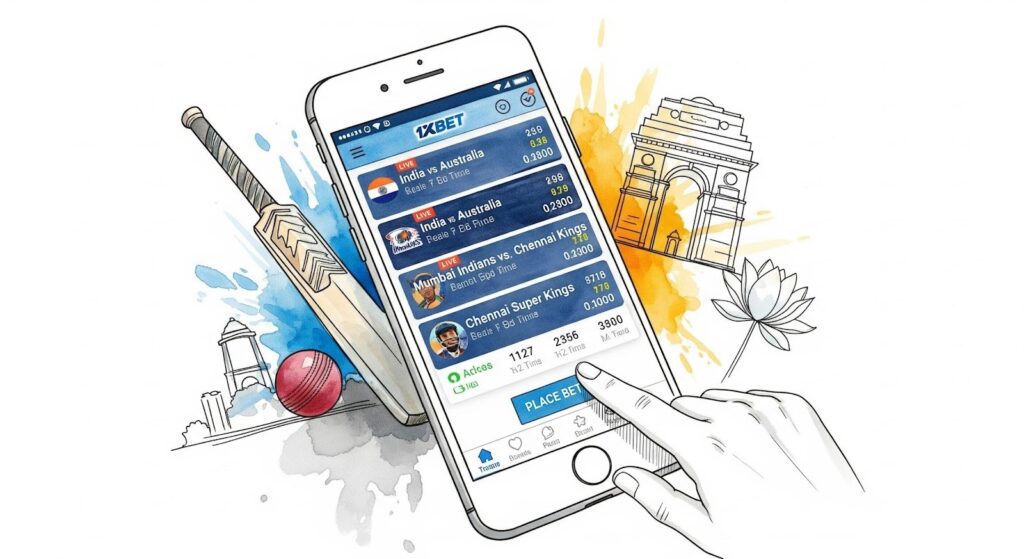
Mobile betting has taken over India’s sports scene so quickly that it sometimes feels like stadium noise has shifted into notification pings. In this fast-growing wave, 1xbet mobile stands out thanks to its smooth interface, deep cricket lines and steady performance even on mid-range phones—features that shape how fans place bets on the move.
How mobile betting became India’s default arena
Over the past few years, India’s betting habits have moved almost entirely to mobile. Per TRAI reports, smartphone penetration and low-cost data packs continue to surge, pushing punters to rely on handheld screens for nearly all wagering activity. That shift explains why platforms like 1xBet doubled down on mobile-first design, reducing clutter and speeding up navigation.
I still remember a chat with a Delhi bettor who said, “Boss, if I can’t place a live bet during a powerplay, what’s the point?” He wasn’t exaggerating—speed is half the game now.
1xbet mobile: design tuned for fast decisions
The app layout mirrors the desktop version but trims unnecessary steps. Cricket, football and kabaddi stay pinned at the top, which lines up with what Statista highlighted last year about India’s top online sports categories. The interface aims for clarity: large tiles, readable odds, no labyrinth of hidden menus. You open the app and you’re ready to bet, simple as that.
Performance under real Indian conditions
Many users don’t have flagship phones, and evening network speeds can dip. Yet the app stays surprisingly stable. As Economic Times noted in a recent report on mobile gaming, optimisation is now a deciding factor for user retention. The 1xBet app loads markets quickly and keeps in-play odds updating with minimal lag.
One-line hook: A rain delay shouldn’t feel smoother than your betting app.
Features that keep punters engaged
The biggest strength is the mix of quick bet slips and micro-markets: next boundary, next raid point, over/under scores. These options are popular locally—especially during cricket peaks—and the mobile platform handles them with ease. Cashout availability, suggested odds based on betting history, and live stats round out the experience.
There’s even a small personal win for multitaskers: notifications arrive fast without drowning you in alerts. And of course, the occasional ain’t in the chat feels like someone from the dev team forgot to polish it—makes it oddly human.
Payments made for India’s ecosystem
UPI, wallets and card payments are all supported; transfers usually clear within minutes. This lines up with what RBI highlighted recently about UPI dominating digital transactions nationwide. Withdrawals are straightforward, though ID checks might slow things a bit. Still, it’s far smoother than many offshore competitors.
The app also keeps transaction history compact, letting users scroll through ’em quickly—a tiny but welcome touch.
App installation and compatibility
The Android APK stays lightweight, making it usable on older models with low storage. iOS users get a slightly sleeker version, but core functions remain the same. Sensor Tower’s mobile market insights noted India’s preference for lean, fast-loading apps, and 1xBet matches that expectation.
If you’d rather skip installing anything, the mobile browser version runs smoothly on Chrome, Safari and even lower-end browsers. It mirrors the app so closely that some users switch between both without noticing differences.
Where 1xbet mobile sits in India’s betting landscape
With fast markets, a clean layout and familiar payment methods, the mobile version fits right into India’s fast-paced wagering culture. It reduces friction where it matters: login, funding, placing bets. The simplicity is intentional—and effective.
There’s space to grow: faster KYC checks and more regional languages would help, especially in states where Hindi and Tamil dominate sports chatter. But the core engine — the speed with which you can place a live bet — already feels like a well-oiled tool that doesn’t get in the way.
Final thoughts
Indian punters want apps that keep up with the match, not slow it down. 1xbet mobile finds that balance between quick response and stable performance, giving bettors a reliable companion for everything from IPL marathons to late-night football. In a market where every second counts, that’s a pretty strong pitch.
