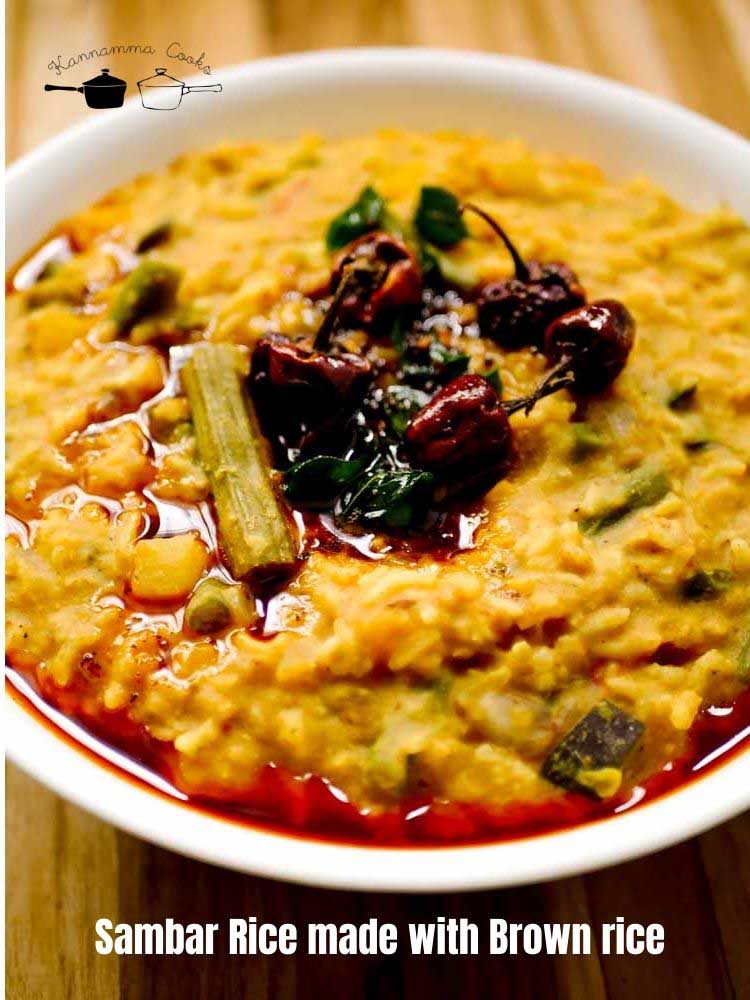
Recipe for traditional sambar sadam made with brown rice in an Instant pot. Recipe with step by step pictures and video.
Here is some links to buy products online Instant Pot Heavy duty Indian Mixie
Here is the video of Sambar Sadam made with Brown Rice – Instant Pot Recipe
Here is how to make Sambar Sadam made with Brown Rice – Instant Pot Recipe
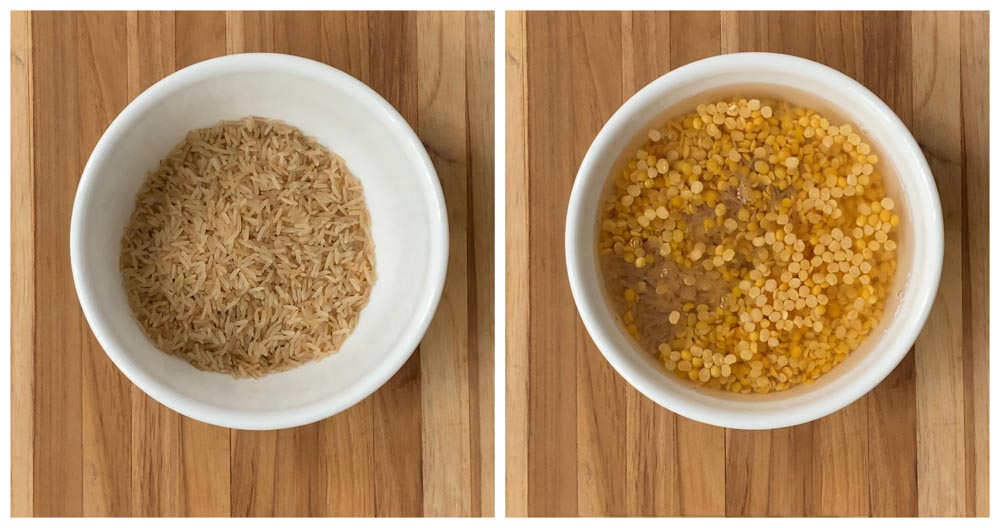
Wash and soak the brown rice and toor dal in water for 30 minutes. I have used the quick cooking variety of brown rice available in India. Brands like Daawat, Kohinoor, India gate all have quick cooking brown rice and it works really well. You can use any brand and it just works fine.
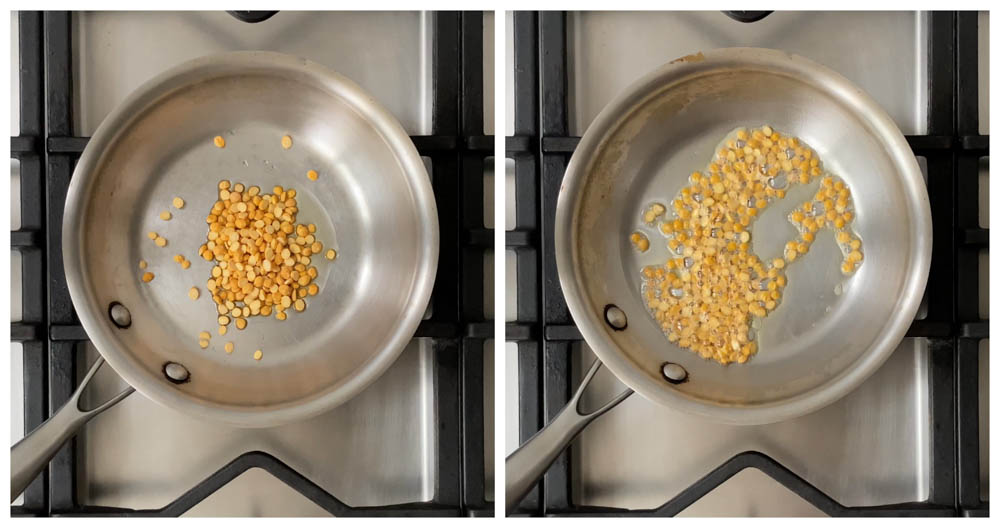
Now lets make a sambar masala paste Heat oil in a pan and add in the chana dal. Roast the chana dal on a low flame until lightly golden.
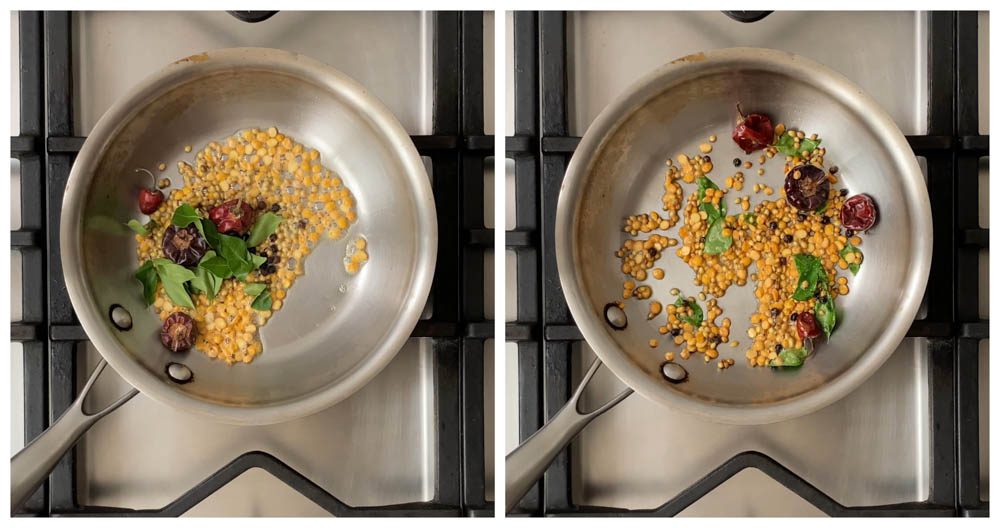
Add in the spices and curry leaves. Sauté for a few seconds until they turn aromatic.

Add in the desiccated coconut and sauté for a few more seconds. Do not roast coconut for a long time. It will burn in no time. If you do not have desiccated coconut, fresh coconut can also be used.
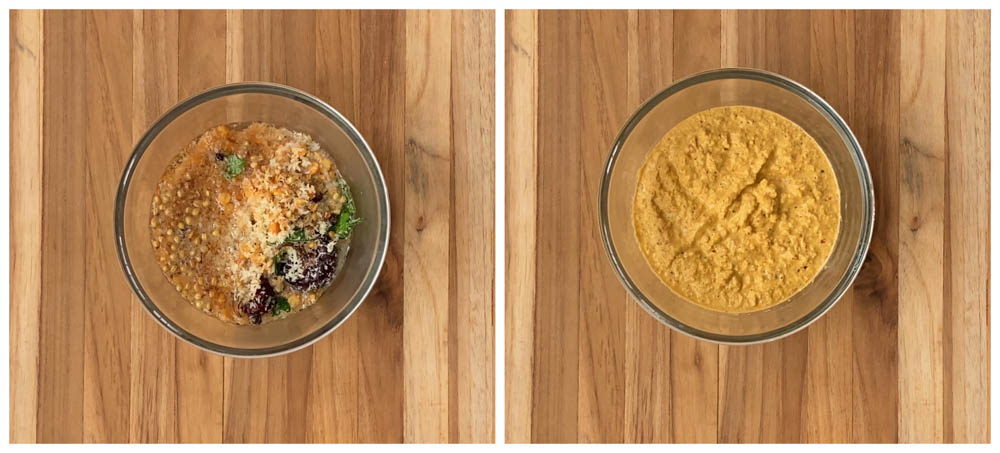
Let the mixture cool a bit. Add in half a cup of water and grind to a paste. Set aside.
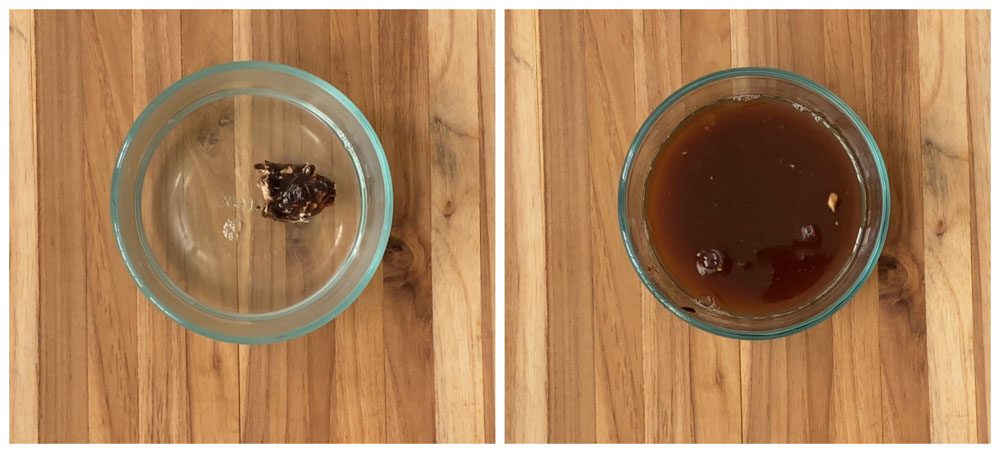
Soak the tamarind in hot water for 15-20 minutes. Squeeze the tamarind to extract the pulp. Discard the seeds and the pith. Set aside.
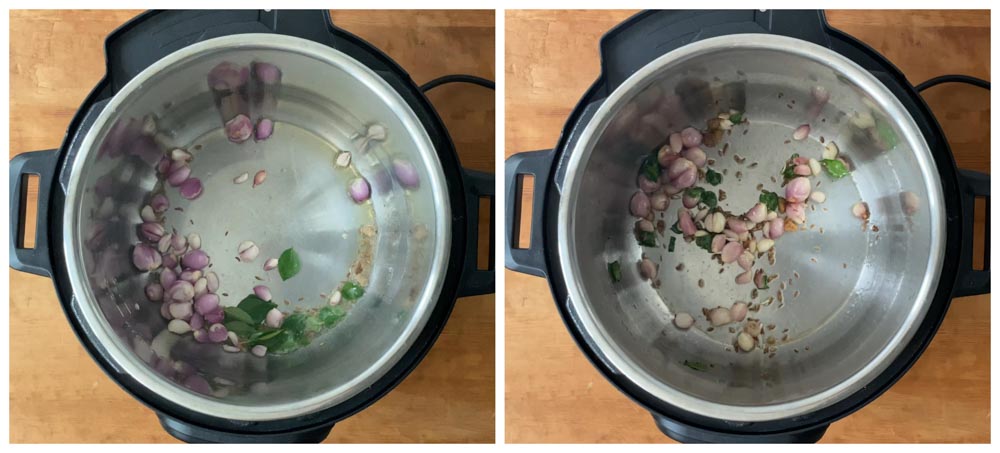
Now lets cook the sambar rice in the Instant pot. Switch on the Instant pot and set the Instant pot on saute mode. Add in oil to the Instant pot. Add in the cumin seeds, asafoetida and the curry leaves. Let the cumin seeds crackle. Add in the shallots and saute for a few minutes.
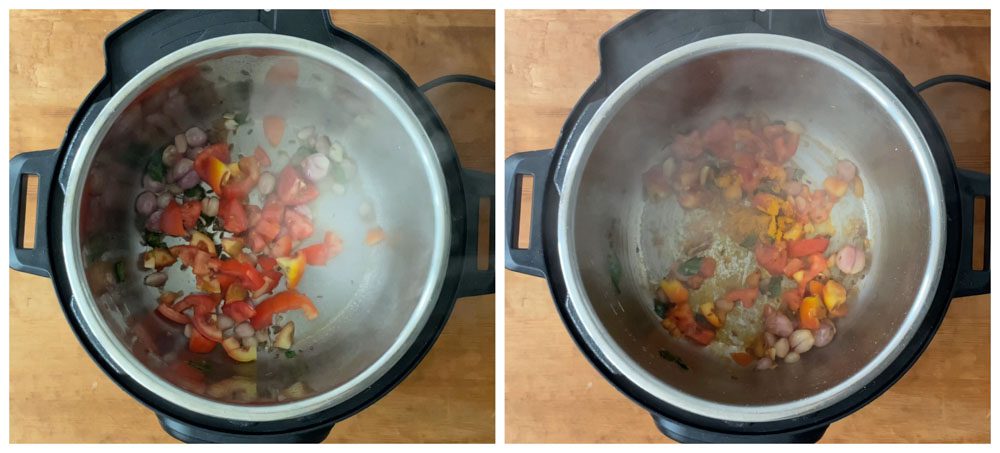
Add in the tomatoes and the salt. Cook till the tomatoes are mushy. Add in the turmeric and jaggery.
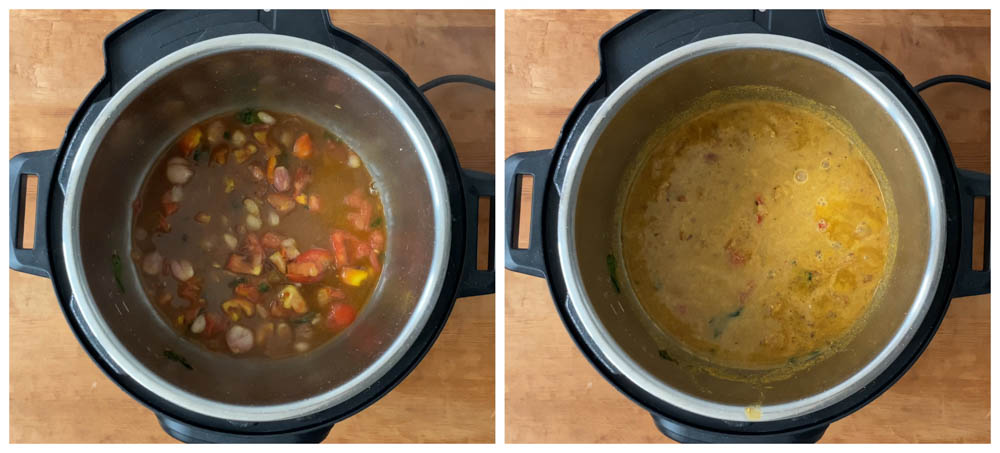
Add in the tamarind pulp, ground paste and a cup of water. Mix well to combine.

Add in the veggies and three cups of water. The vegetables I have used today are carrots, beans, pumpkin, capsicum, potato, egg plant / brinjal and drumsticks. Use a variety of vegetables. Add in the drained rice and lentil.
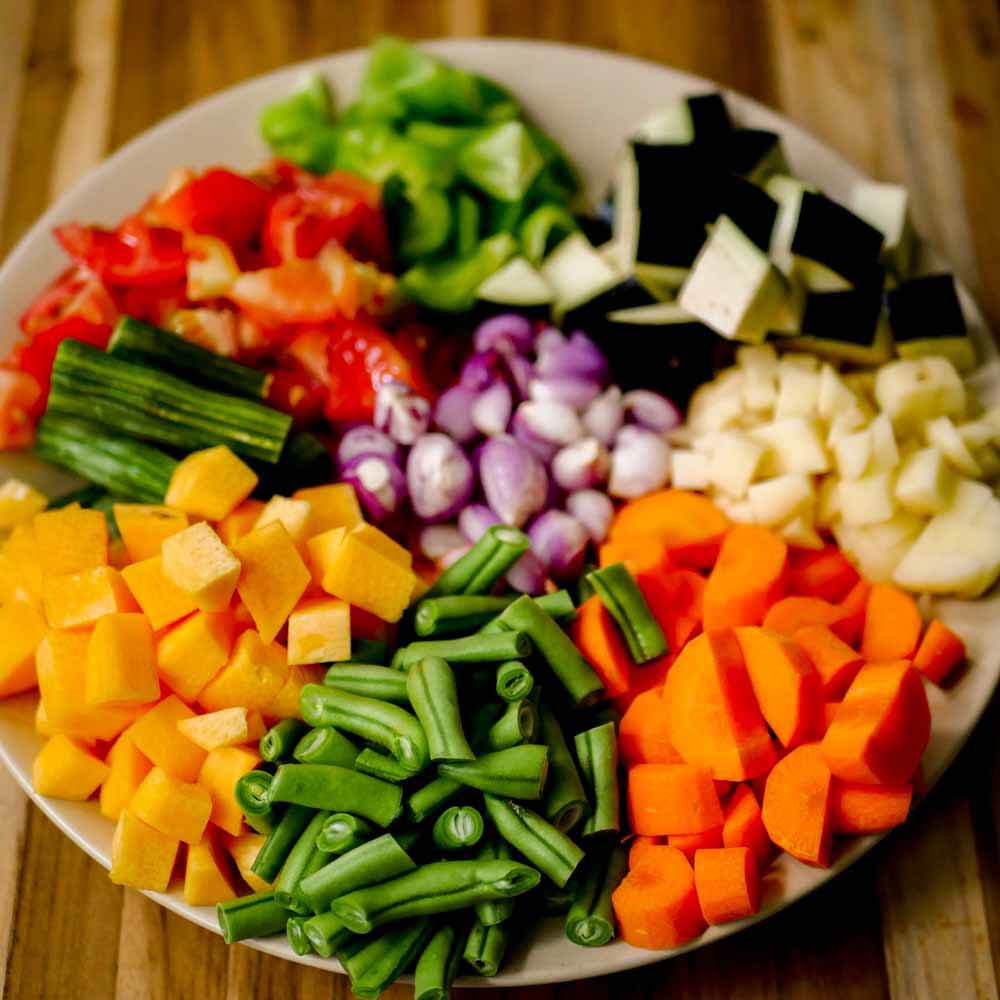
The idea behind adding a lot of veggies is to “eat a rainbow everyday”. Try to add a variety of fruits and veggies to your diet.
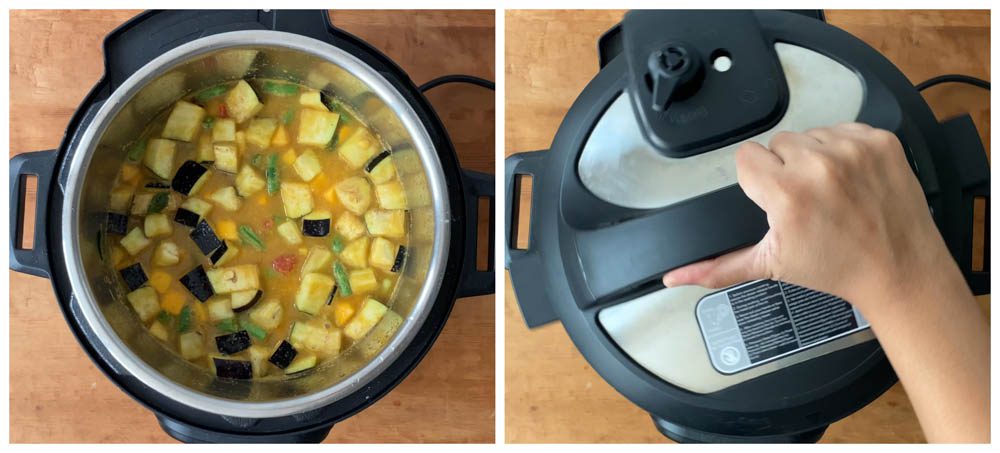
Cover the instant pot with the lid. Set the valve in sealing mode. Cancel the saute mode. Set the Instant pot in pressure cooker mode for 20 minutes.

After the 20 minutes, let the pressure settle. Open the instant pot and mix well to combine. Now lets do a tempering for the sambar sadam. Heat ghee in a small pan and add in the fenugreek seeds, mustard seeds, curry leaves and red chillies. Let the mustard seeds crackle. Switch off the flame and add in the red chilli powder. Immediately add the tempering to the sambar sadam.
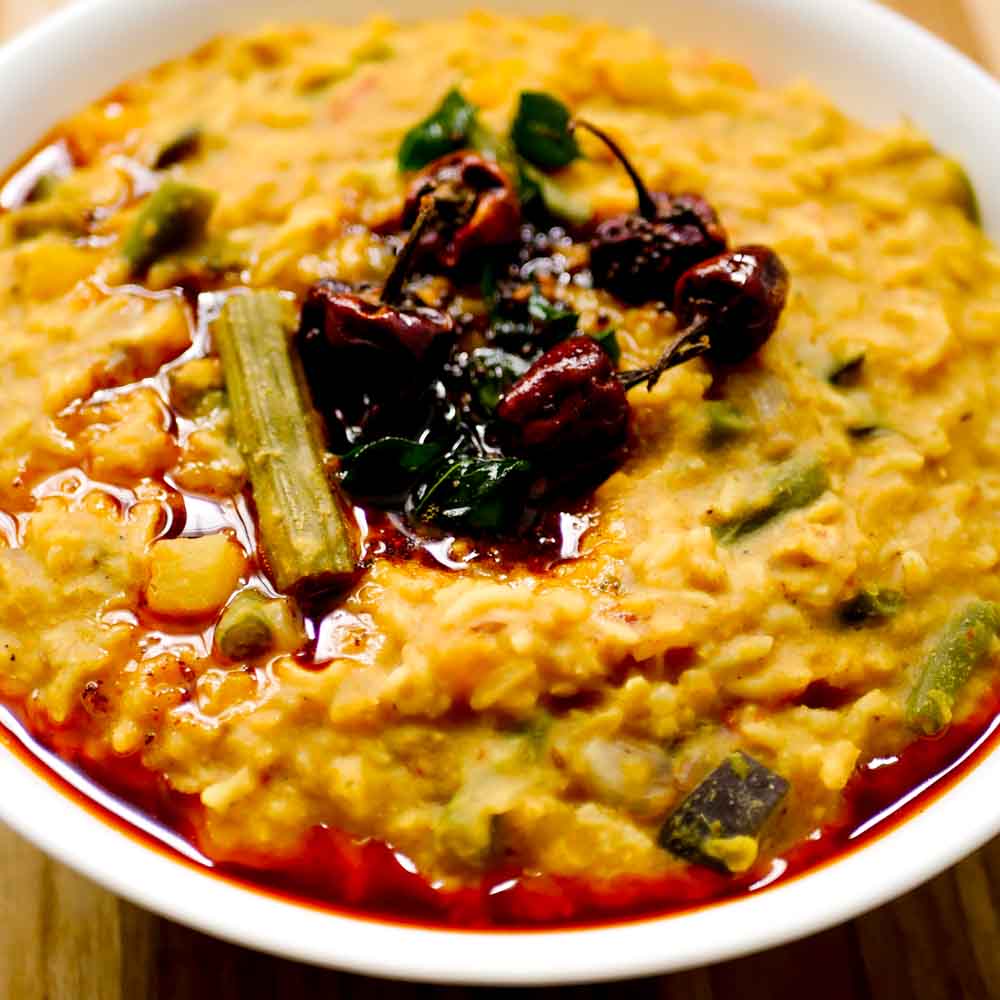
Serve hot.
Soak the Rice and Lentil
3/4 cup Brown Rice 3/4 cup toor dal
Sambar Masala Paste
1 teaspoon Indian sesame oil 2 tablespoon chana dal 1 teaspoon coriander seeds 1/8 teaspoon fenugreek seeds 1/4 teaspoon black pepper 4 gundu red chillies 1 sprig curry leaves 2 tablespoon desiccated coconut 1/2 cup water
Tamarind Pulp
1/2 inch ball of tamarind 3/4 cup hot water
Other Ingredients
1 teaspoon Indian sesame oil 1/2 teaspoon cumin seeds 1/8 teaspoon asafoetida compound or powder 1 sprig curry leaves 1/4 cup shallots, Indian small onions 2 tomatoes chopped 1.5 teaspoon salt 1/2 teaspoon turmeric powder 1/2 teaspoon jaggery 4 cups water 3 cups mixed vegetables
Tempering
2 teaspoon ghee 1/8 teaspoon fenugreek seeds 1/2 teaspoon mustard seeds 1 sprig curry leaves 3 gundu red chillies 1/2 teaspoon red chilli powder
Wash and soak the brown rice and toor dal in water for 30 minutes.
Now lets make a sambar masala paste Heat oil in a pan and add in the chana dal. Roast the chana dal on a low flame until lightly golden. Add in the spices and curry leaves. Sauté for a few seconds until they turn aromatic. Add in the desiccated coconut and sauté for a few more seconds. Do not roast coconut for a long time. It will burn in no time. If you do not have desiccated coconut, fresh coconut can also be used. Let the mixture cool a bit. Add in half a cup of water and grind to a paste. Set aside.
Soak the tamarind in hot water for 15-20 minutes. Squeeze the tamarind to extract the pulp. Discard the seeds and the pith. Set aside.
Now lets cook the sambar rice in the Instant pot. Switch on the Instant pot and set the Instant pot on sauté mode. Add in oil to the Instant pot. Add in the cumin seeds, asafoetida and the curry leaves. Let the cumin seeds crackle. Add in the shallots and sauté for a few minutes. Add in the tomatoes and the salt. Cook till the tomatoes are mushy. Add in the turmeric and jaggery.
Add in the tamarind pulp, ground paste and a cup of water. Mix well to combine. Add in the veggies and three cups of water. The vegetables I have used today are carrots, beans, pumpkin, capsicum, potato, egg plant / brinjal and drumsticks. Use a variety of vegetables. Add in the drained rice and lentil. Cover the instant pot with the lid. Set the valve in sealing mode. Cancel the sauté mode. Set the Instant pot in pressure cooker mode for 20 minutes. After the 20 minutes, let the pressure settle. Open the instant pot and mix well to combine.
Now lets do a tempering for the sambar sadam. Heat ghee in a small pan and add in the fenugreek seeds, mustard seeds, curry leaves and red chillies. Let the mustard seeds crackle. Switch off the flame and add in the red chilli powder. Immediately add the tempering to the sambar sadam.
Serve hot.
- Author: Suguna Vinodh
- Prep Time: 20m
- Cook Time: 20m
Soak the Rice and Lentil
3/4 cup Brown Rice 3/4 cup toor dal
Sambar Masala Paste
1 teaspoon Indian sesame oil 2 tablespoon chana dal 1 teaspoon coriander seeds 1/8 teaspoon fenugreek seeds 1/4 teaspoon black pepper 4 gundu red chillies 1 sprig curry leaves 2 tablespoon desiccated coconut 1/2 cup water
Tamarind Pulp
1/2 inch ball of tamarind 3/4 cup hot water
Other Ingredients
1 teaspoon Indian sesame oil 1/2 teaspoon cumin seeds 1/8 teaspoon asafoetida compound or powder 1 sprig curry leaves 1/4 cup shallots, Indian small onions 2 tomatoes chopped 1.5 teaspoon salt 1/2 teaspoon turmeric powder 1/2 teaspoon jaggery 4 cups water 3 cups mixed vegetables
Tempering
2 teaspoon ghee 1/8 teaspoon fenugreek seeds 1/2 teaspoon mustard seeds 1 sprig curry leaves 3 gundu red chillies 1/2 teaspoon red chilli powder
Wash and soak the brown rice and toor dal in water for 30 minutes.
Now lets make a sambar masala paste Heat oil in a pan and add in the chana dal. Roast the chana dal on a low flame until lightly golden. Add in the spices and curry leaves. Sauté for a few seconds until they turn aromatic. Add in the desiccated coconut and sauté for a few more seconds. Do not roast coconut for a long time. It will burn in no time. If you do not have desiccated coconut, fresh coconut can also be used. Let the mixture cool a bit. Add in half a cup of water and grind to a paste. Set aside.
Soak the tamarind in hot water for 15-20 minutes. Squeeze the tamarind to extract the pulp. Discard the seeds and the pith. Set aside.
Now lets cook the sambar rice in the Instant pot. Switch on the Instant pot and set the Instant pot on sauté mode. Add in oil to the Instant pot. Add in the cumin seeds, asafoetida and the curry leaves. Let the cumin seeds crackle. Add in the shallots and sauté for a few minutes. Add in the tomatoes and the salt. Cook till the tomatoes are mushy. Add in the turmeric and jaggery.
Add in the tamarind pulp, ground paste and a cup of water. Mix well to combine. Add in the veggies and three cups of water. The vegetables I have used today are carrots, beans, pumpkin, capsicum, potato, egg plant / brinjal and drumsticks. Use a variety of vegetables. Add in the drained rice and lentil. Cover the instant pot with the lid. Set the valve in sealing mode. Cancel the sauté mode. Set the Instant pot in pressure cooker mode for 20 minutes. After the 20 minutes, let the pressure settle. Open the instant pot and mix well to combine.
Now lets do a tempering for the sambar sadam. Heat ghee in a small pan and add in the fenugreek seeds, mustard seeds, curry leaves and red chillies. Let the mustard seeds crackle. Switch off the flame and add in the red chilli powder. Immediately add the tempering to the sambar sadam.
Serve hot.
- Author: Suguna Vinodh
- Prep Time: 20m
- Cook Time: 20m
Find it online : https://www.kannammacooks.com/sambar-sadam-made-with-brown-rice/
Human beings met extremely cruel and brutal practices on animals all in the name of satisfying their food fetishes. Instead of first killing marine animals like fish, shrimp, crab, octopus, and oysters before cooking or eating them, they cook or devour the poor animals alive and without any chills. Sometimes the kind of pain that these animals undergo in our hands is simply indescribable.
Though many countries have banned these cruel indulgences, they are still widespread in Western and Asian countries. Countries such as the USA, China, Korea, and Japan don’t have a problem with cooking or eating seafood alive.
I wouldn’t cook or eat live fish or any other living creature that serves as a food source for human beings. With so many recipes for cooking and eating these animals in a less cruel manner available all over the Web, why would one choose to subject them to such high levels of pain and torture? A few delivery services in NYC offer lots of recipes that will lead to the consumption of sea animals humanely. Reading this engaging comparison post will help you decide which entity is best suited to your needs. Home Chef is also a good option for delectable seafood recipes you can try. Having said that, here are the top 7 selfish seafood dishes that are extremely agonizing and cruel to marine animals;
Yin Yang Fish Originating in Taiwan, Yin Yang fish, which translates to “dead-and-alive fish” in English is characterized by a deep-fried whole fish that remains alive after cooking. Usually, it is the carp fish that are used for this cruel seafood dish. After being subjected to the agonizing pain of the cooking process, the live fish is then served on a plate and then covered in sauce. Thank God, Germany, Australia, and Taiwan all have outlawed the practice.
Ikizukuri Ikizukuri is a Japanese word that translates to “prepared alive” in English. Here, raw fish(sashimi) is prepared alive to make seafood. Typically, fish is used, but shrimp, lobster, and octopus may also be used.
In a restaurant setup, a customer who chooses to indulge in this animal-brutal practice selects fish or any other sea creature from a nearby glass tank that contains live choices. Their choice is then delivered to the chef who prepares it with a variety of ingredients before sending it back dipped in a sauce back to the customer. Without wasting time, the customer begins to devour the poor fish, ripping it through its internal organs as it watches helplessly until it is no more.
Odori Ebi: The Dancing Shrimp Odori Ebi means “The Dancing Shrimp” in English. Very widespread in Japan, Odori Ebi is all about eating young shrimp alive. Normally, the poor animal is dipped in sake before being eaten alive. At least, the sake intoxicates to save it some pain, especially when the animal is being eaten. Usually, the shrimp is eaten with a special sauce and it’s sad to see how the poor creature is still capable of moving its antennae and legs while being subjected to the excruciating pain of being eaten alive. The eater is urged to finish off the animal immediately to end its pain, this practice is simply too cruel and unjustifiable.
Stone Crab Claws Stone crab claws are a very popular seafood delicacy in the US, especially in the state of Florida. Not only is the delicacy bizarre, but it is also overwhelmingly cruel to stone crabs, considering how the claws are obtained. The crabs are caught by professionals and recreational crabbers, and their claws are brutally harvested. After that, the live animals are thrown back into the water while in agonizing pain and left to again grow new claws for humans’ delicacy. Supposedly, they are de-clawed without being killed to maintain their population.

Source: istockphoto.com
San-nakji This is a South Korean seafood delicacy that consists of raw baby octopus. The poor octopus is sliced into tiny pieces and seasoned with essential oil(typically sesame oil) before being eaten alive. It’s so pitiful to see how the sliced pieces squirm on the plate while being consumed, probably due to pain.
Drunken Shrimp Though it originated in the Philippines, drunken shrimp’s popularity as a seafood delicacy has spread to China and other parts of the world. Here, fresh-water shrimp is intoxicated by being placed in a strong liquor called baijiu before being mercilessly devoured alive.
Live Oyster and Lobster The practice of eating oysters and lobsters alive is fairly widespread in the Western world with countries such as North America, Europe, and Australia topping the list. It’s so heartbreaking to see how many restaurants in New York city advertise that they grant customers the opportunity to pick belly sashimi from a live oyster or lobster. And it’s not surprising to see how people grab those opportunities thoughtlessly to torture these poor animals for selfish delicacy fetishes.

Source: lobsterfly.com
Final Thoughts
Seafood delicacies are delicious and nutritious options that we are all at liberty to enjoy, at least, humanely. Rather than subject a poor baby shrimp, fish, oyster, or any other marine animal to the immense pain of being eaten or deep-fried alive before being devoured, we should end the lives of these animals first before subjecting them to these processes. It saves them agonizing pain. Unfortunately, some people are so cruel and brutal to these creatures that they don’t see the agony to which they subject them when they cook or eat them alive. I hope this article helps you treat these animals a little less brutally even when it comes to having them as delicacies. Do you know of any other seafood delicacy indulgence that is so cruel to animals other than the above? If yes, feel free to comment below and let us know.
