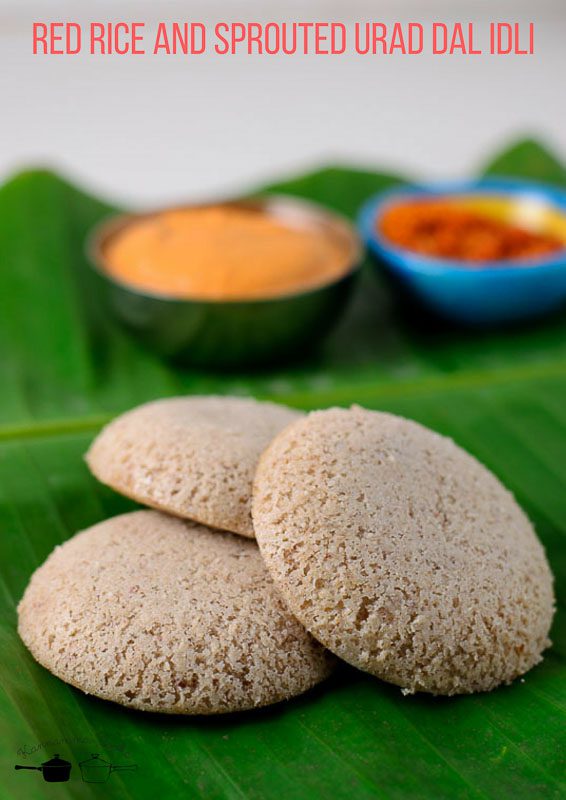
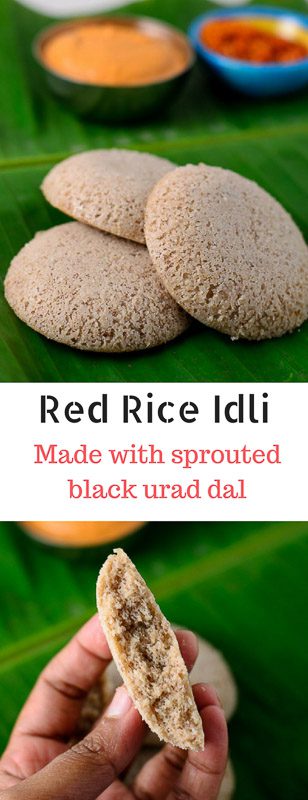
Recipe for red rice idli made with unpolished red rice and whole grain black urad dal thats been sprouted. Recipe with step by step pictures.
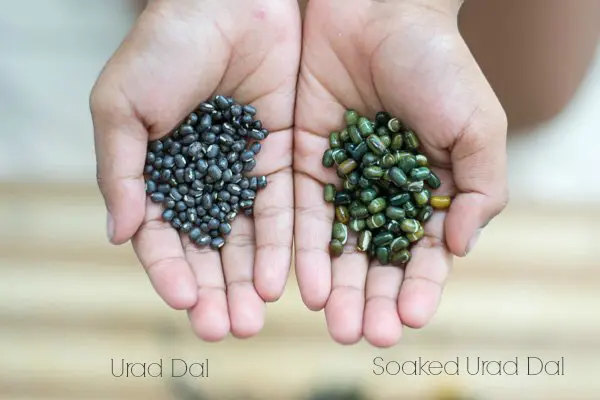
We all know that sprouted grains and lentils are more nutritious and I wanted to try making Idli with Sprouted black urad dal. I got this idea after watching a video of the popular organic farmer, Thanjavur G.Sither. He spoke about the numerous benefits of idli made using sprouted whole black urad dal. I wanted to try. He encourages people to use 100% unpolished red rice for making idli. I do make whole grain idlis at home, but nowadays I make it with 50% unpolished rice and 50% regular white idli rice so the idlis turn nice and soft (my son would not touch it otherwise) and at the same time, we get the goodness of unpolished grains and also makes for a healthy breakfast. If you are making Idli for the first time, Please READ this post before you begin. https://www.kannammacooks.com/tips-tricks-making-idli-batter/ TIMELINE Day 1 Morning – Soak Black Urad Dal Day 1 Night – #Keep the Urad dal for sprouting #Also soak the rice #soak the fenugreek seeds Day 2 Morning – Grind the Idli Batter Day 2 Evening – Fermented idli batter is ready. Store in fride and use accordingly! Here is how to do it! For recipe measurements, scroll to the bottom!! Soak the black urad dal in water for about 10-12 hours.
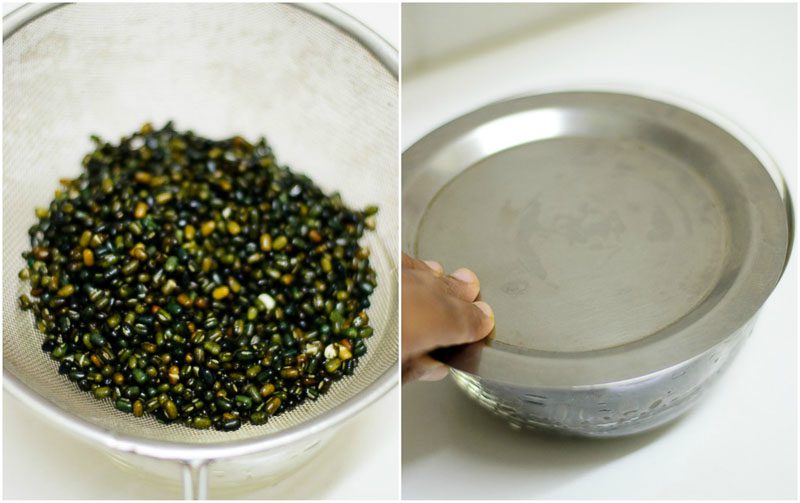
Drain the soaked urad dal and place it in a bowl and cover it with a lid and allow it to sprout overnite.
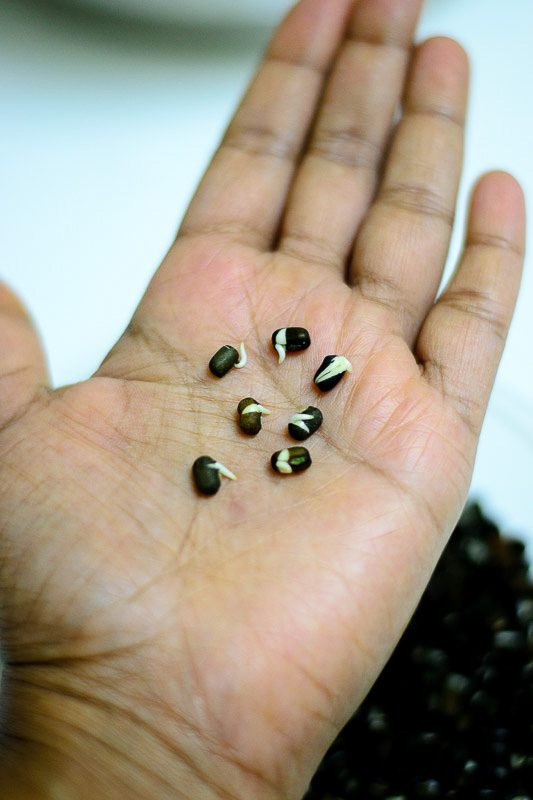
The urad dal will start to sprout and here is a picture of the same.
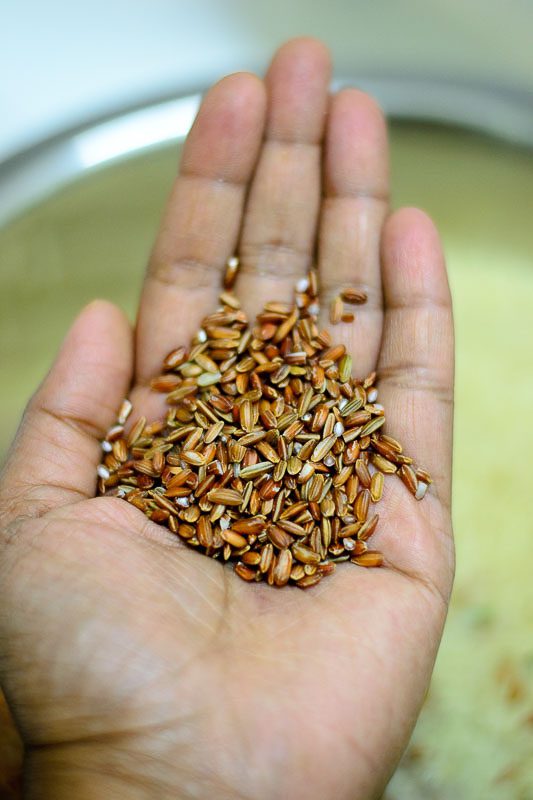
When the urad dal is kept for sprouting, also soak the red rice and the regular idli rice. I have used the Jolaga variety of red rice today that’s popular here in Bangalore. You can use any kind of unpolished red rice thats popular in your state and it works fine.
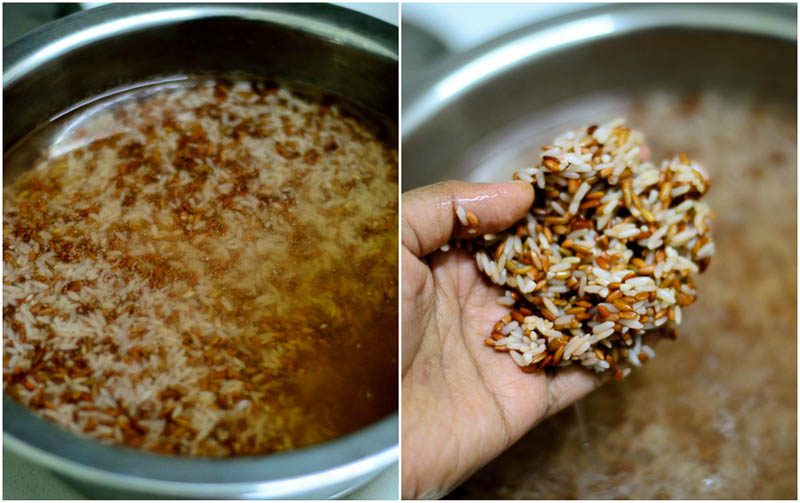
Soak the rice overnite. Also soak the fenugreek seeds separately over nite.
Now its time to grind the batter. I always prefer to use a wet grinder for making whole grain idlis. I use an Elgi Ultra wet grinder and I am very happy to recommend the same.
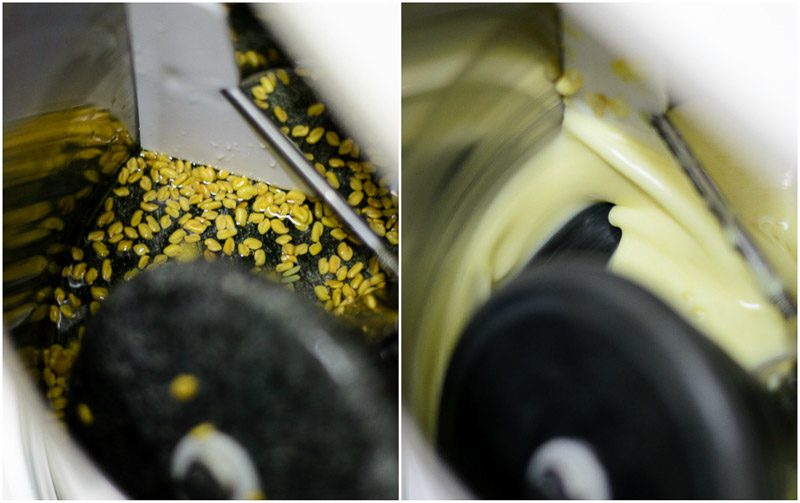
I always grind the fenugreek seeds seperately as it fluffs up so much and the resultant idlis are so soft. Add in the fenugreek seeds along with the water used for soaking (around half a cup of water) to the wet grinder. Grind for about 5 minutes. https://www.instagram.com/p/BcUY_NSgdRb/?taken-by=kannammacooks
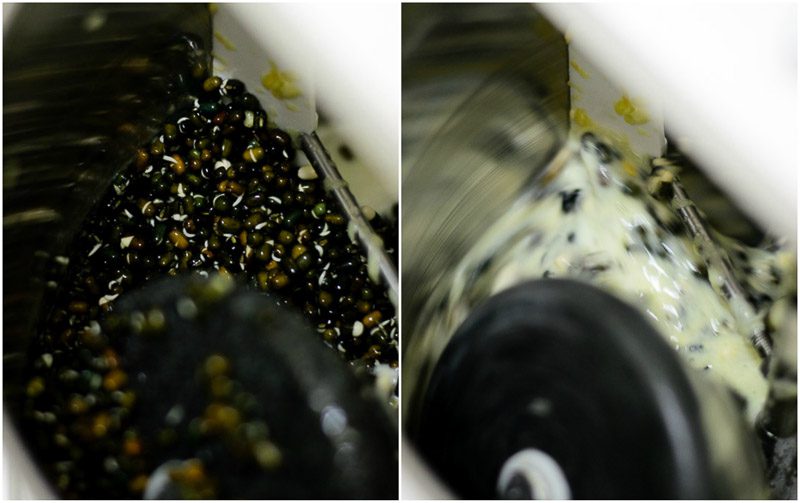
Once the fenugreek seeds are fluffed up, add in the sprouted urad dal. No need to remove the ground fenugreek seeds. Add the urad dal on top of the ground fenugreek paste. Its fine. Start grinding the urad dal. The urad dal will take about 30 minutes to grind. Sprinkle little water every five minutes. Do not add more than a cup of water for grinding the urad dal. The lesser water, the better.
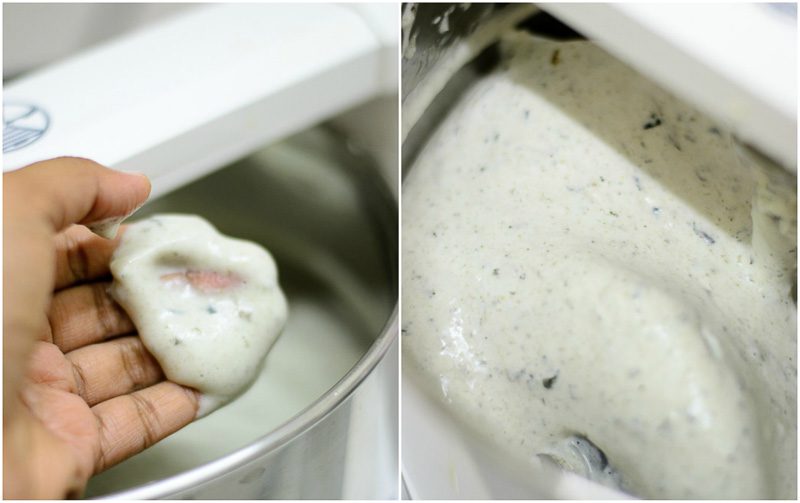
The dal will be smooth after 30 minutes. Also remember that the ground dal will be slimy to touch as its sprouted. That’s perfectly fine.
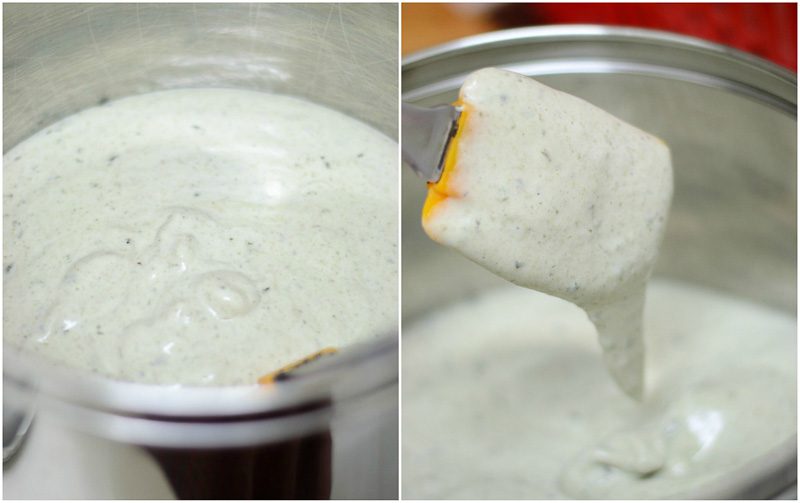
Remove the urad dal to a big bowl.
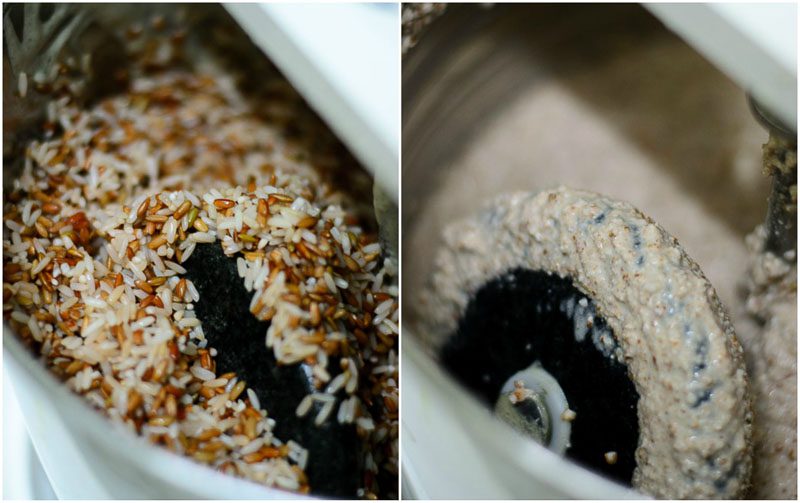
Now add in the soaked and drained rice to the grinder along with a cup of water. Let the rice grind for 30 minutes. After 10 minutes, check the batter. If its really really thick like a dough, then sprinkle some water. Else do not add more water. Let it continue to grind.
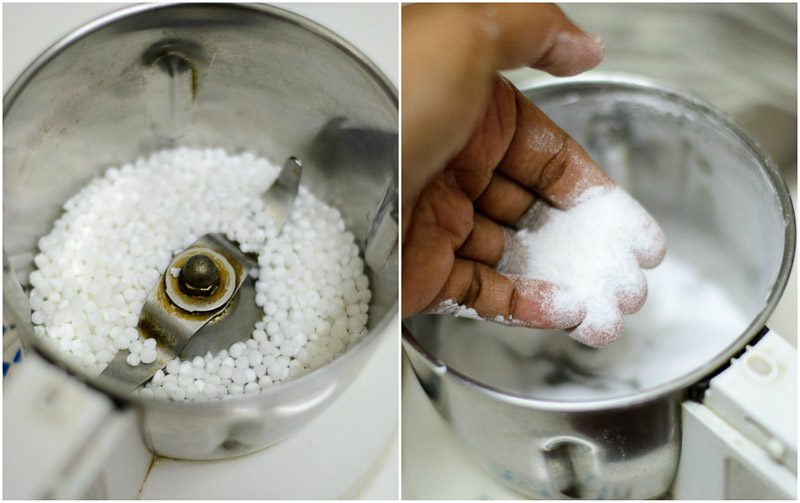
While the rice is grinding, we will make some sabudana powder. Take a mixie and grind the sabudana (javvarisi) to a powder.
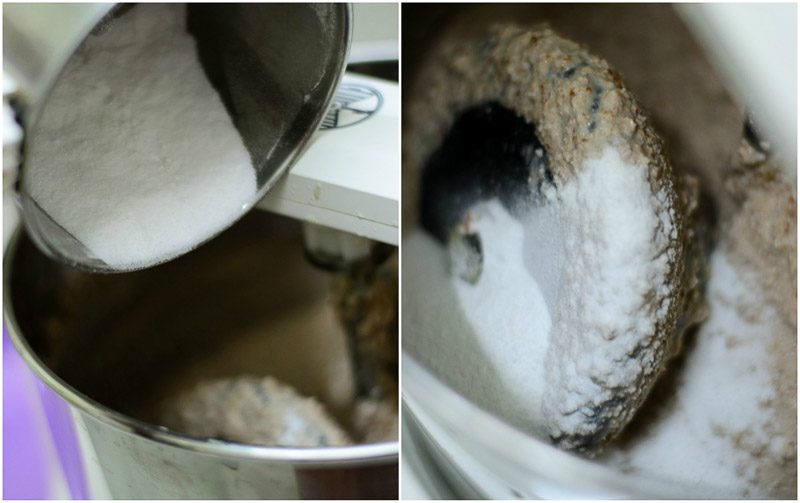
Add it to the rice that’s getting ground in the wet grinder. Sabudana makes for the softest idlis. As this is a whole grain idli, it can be hard. The addition of sabudana produces super soft idlis. Note: If you dont have sabudana, you can also use aval / poha (about 1/2 cup). Powder the aval in a mixie, add little water and make it to a paste. Add the aval paste to the rice.
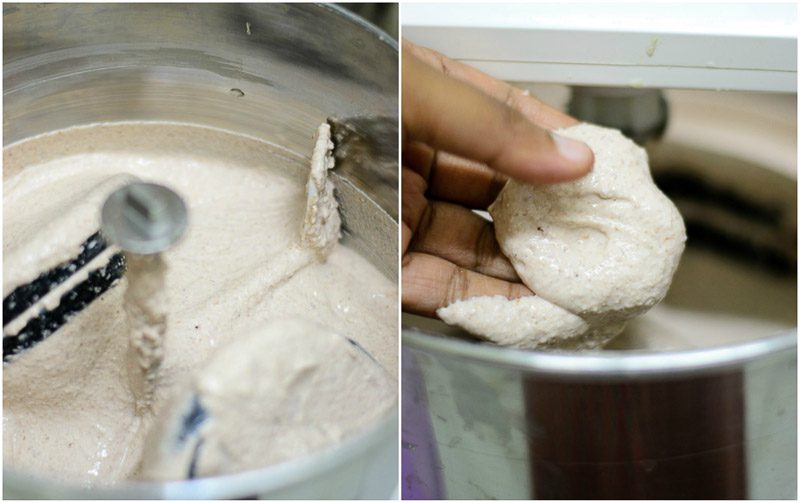
After 30 minutes of grinding, the rice is nice and smooth.
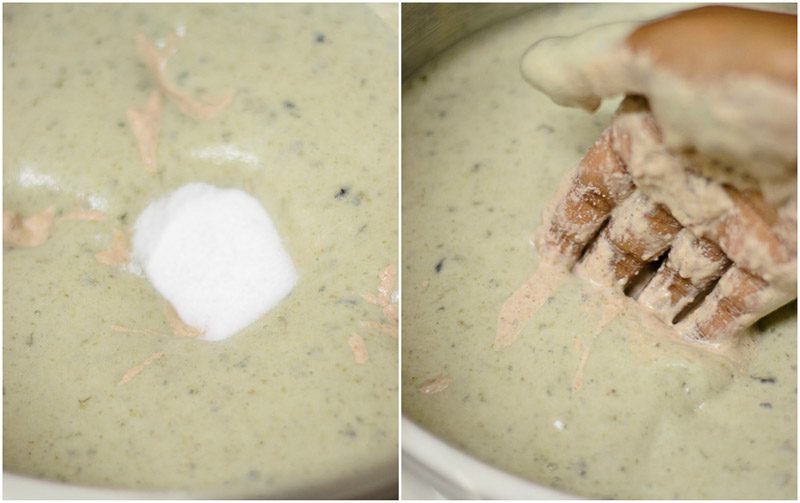
Remove the rice and add it to the bowl. Add in the salt. Mix the batter well (preferably with hands – they are the worlds best spatula – isnt it?) and cover the bowl with a lid.
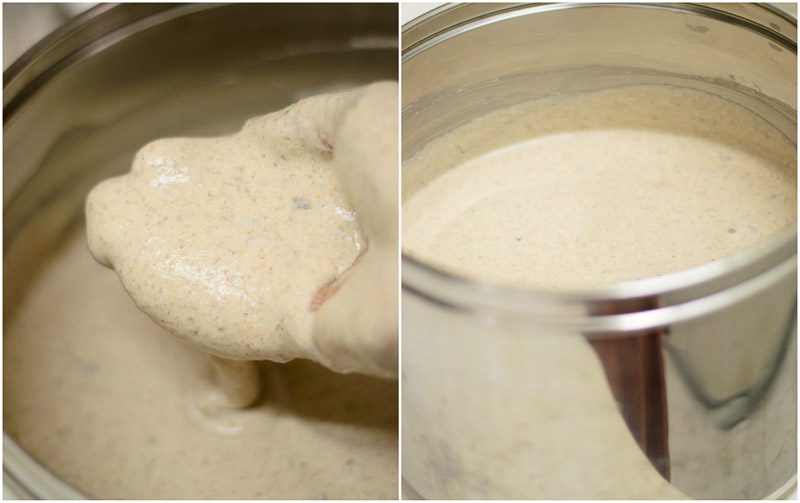
Keep the bowl in a warm and draft free place and allow it to ferment for 6-8 hours.
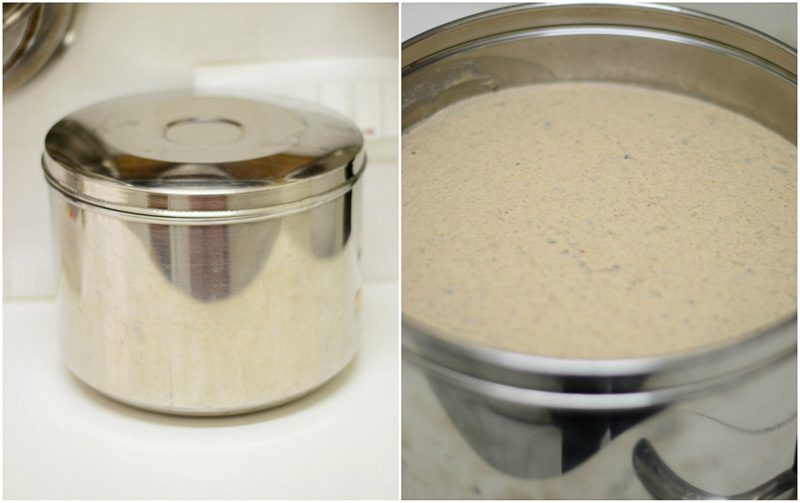
The batter would rise and be very bubbly after fermentation.
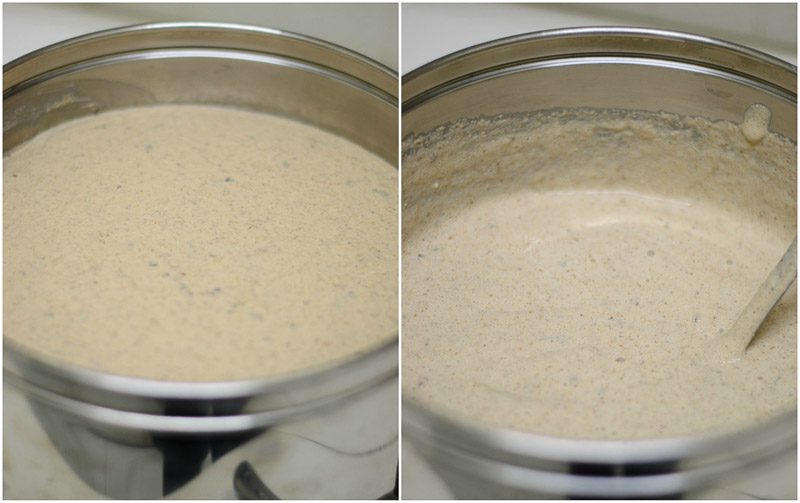
Mix the batter well and the batter is now ready for making idlis. Store the batter in the refrigerator and use it in 3 days.
Lets make idli.
Put some water in an idly vessel and put it on medium flame. Oil the idli plate and gently fill the rounds with the batter. Put it inside the idly vessel and let it steam for 6-7 minutes.
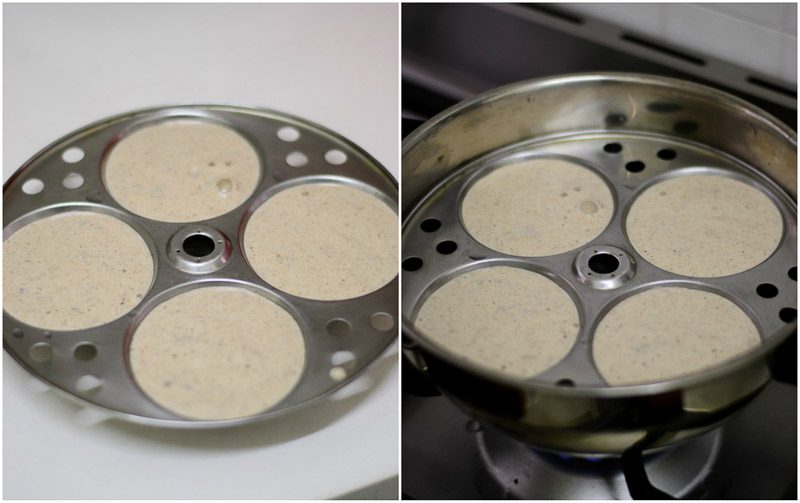
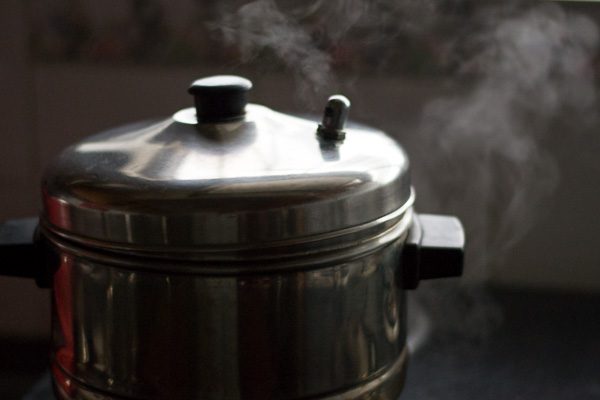
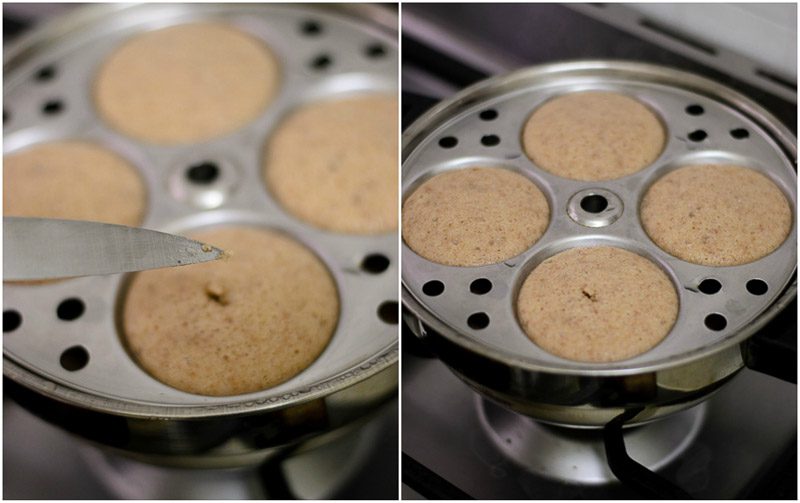
The idlis are ready if a spoon / knife inserted in the middle of an idli comes out without wet batter.
The key to good idlis – Do not allow it to over cook. It might become hard and dry. Just keep an eye and remove the idlis after 6-7 minutes. Do not remove the idlis from the idli plate immediately. It might stick. Leave it undisturbed for 4-5 minutes and then spoon it out. Serve hot with your favorite chutney and sambar.
Annapoorna Hotel Style Sambar
The one common comment I get from a lot of readers is that, their idlies did not rise and the idlies were flat. The main reason is watery or runny batter. Watery batter will not rise and the idlies will be hard and flat. So use caution while grinding and do not add too much water while grinding. The batter will thin out a little after fermentation. So a BIG CAUTION on using water. Please use correct measurements as mentioned in the recipe.
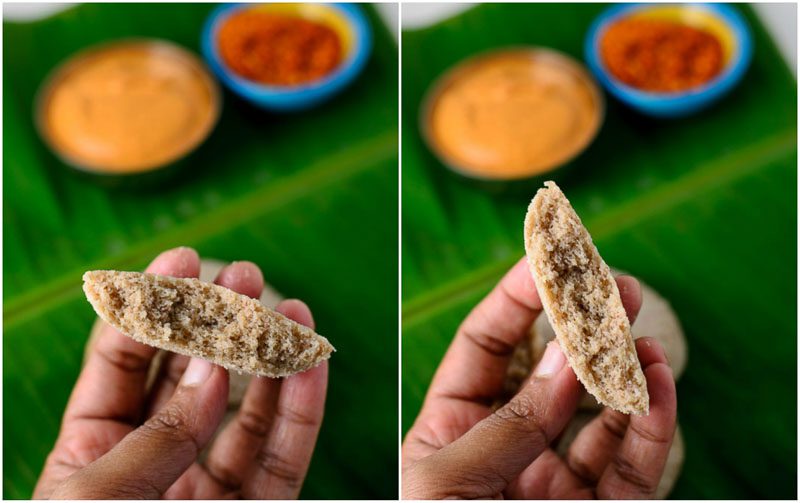
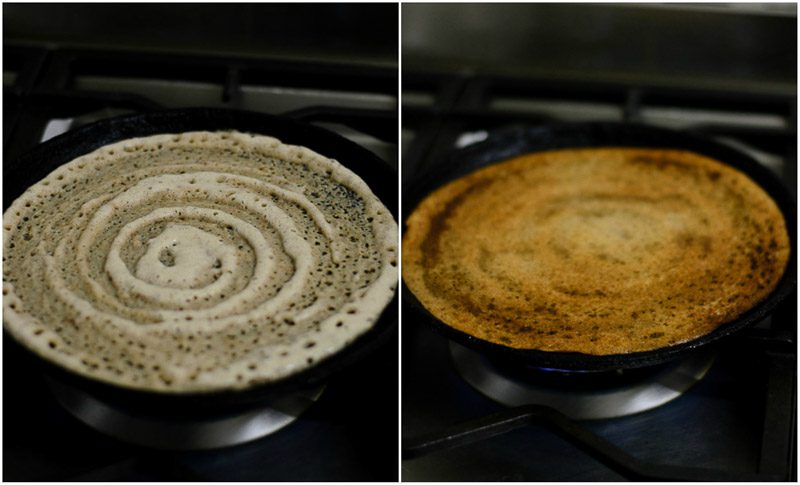
Many people have commented asking if this batter is good for dosas. The answer is yes. This batter makes excellent dosas too!
- 2 cups red rice, unpolished
- 2 cups regular white idli rice ( you can use any parboiled rice and it works fine)
- 1 cup whole black urad dal
- 2 teaspoon fenugreek seeds
- 3 tablespoon sabudana – javvarisi (made into a powder)
- 2 tablespoon salt
- Soak the black urad dal in water for about 10-12 hours. Drain the soaked urad dal and place it in a bowl and cover it with a lid and allow it to sprout overnite.
- Soak the rice and fenugreek seeds when the dal is sprouting.
- Grind the fenugreek seeds in a wet grinder with half a cup of water for five minutes.
- Add in the urad dal and grind for 30 minutes. Add upto a cup of water (max) while grinding urad dal.
- Remove the urad dal to a big bowl.
- Now add in the soaked and drained rice to the grinder along with a cup of water. Let the rice grind for 30 minutes. Add in the sabudana powder to the rice.
- Remove the rice and add it to the bowl. Add in the salt. Mix the batter well
- Keep the bowl in a warm and draft free place and allow it to ferment for 6-8 hours.
- Mix the batter well and the batter is now ready for making idlis. Store the batter in the refrigerator and use it in 3 days.
Notes
For smaller quantity, You can halve the recipe and it works perfectly well.
- Author: Kannamma - Suguna Vinodh
- Prep Time: 48 hours
- Cook Time: 10 mins
- Category: Breakfast
- Cuisine: Tamilnadu
- 2 cups red rice, unpolished
- 2 cups regular white idli rice ( you can use any parboiled rice and it works fine)
- 1 cup whole black urad dal
- 2 teaspoon fenugreek seeds
- 3 tablespoon sabudana – javvarisi (made into a powder)
- 2 tablespoon salt
- Soak the black urad dal in water for about 10-12 hours. Drain the soaked urad dal and place it in a bowl and cover it with a lid and allow it to sprout overnite.
- Soak the rice and fenugreek seeds when the dal is sprouting.
- Grind the fenugreek seeds in a wet grinder with half a cup of water for five minutes.
- Add in the urad dal and grind for 30 minutes. Add upto a cup of water (max) while grinding urad dal.
- Remove the urad dal to a big bowl.
- Now add in the soaked and drained rice to the grinder along with a cup of water. Let the rice grind for 30 minutes. Add in the sabudana powder to the rice.
- Remove the rice and add it to the bowl. Add in the salt. Mix the batter well
- Keep the bowl in a warm and draft free place and allow it to ferment for 6-8 hours.
- Mix the batter well and the batter is now ready for making idlis. Store the batter in the refrigerator and use it in 3 days.
Notes
For smaller quantity, You can halve the recipe and it works perfectly well.
- Author: Kannamma - Suguna Vinodh
- Prep Time: 48 hours
- Cook Time: 10 mins
- Category: Breakfast
- Cuisine: Tamilnadu
Find it online : https://www.kannammacooks.com/red-rice-idli-recipe/
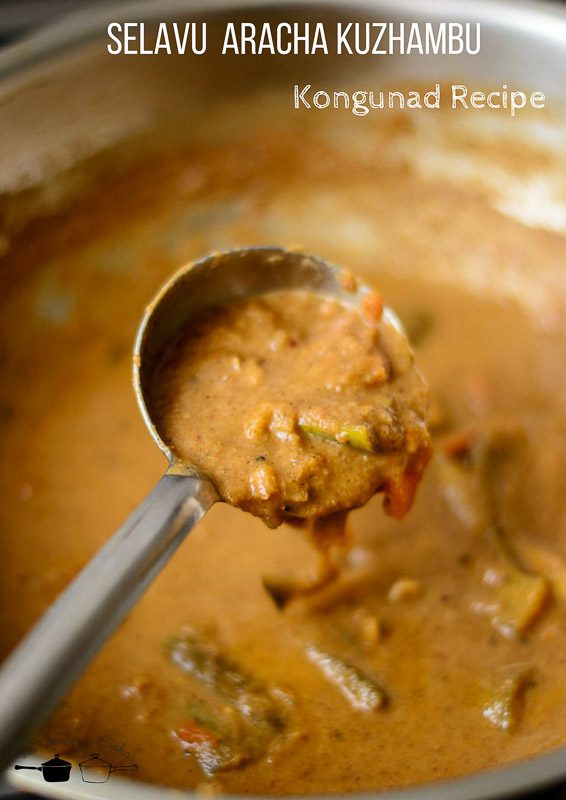
Recipe for traditional kongunad style selavu aracha kuzhambu. செலவு அரைத்த குழம்பு. Selavu Kuzhambu is a kongunad specialty made with spices and aromatics. Recipe with step by step pictures.
When I posted the recipe for selavu rasam , a dear reader Priyadarshini, sent me her amma’s recipe for selavu aracha kuzhambu (curry made with ground spices). She sent me a detailed written recipe and I was so happy to receive it. Her amma’s name is also Suguna. How cool is that? I tried the recipe and we all loved it at home. It goes perfectly with rice. Priya has a blog. Do check it out! The spices are called as selavu in Tamil. Everyday spices are referred to as “selavu samaan” செலவு சாமான். There is an interesting story behind the word selavu. Selavu also means expense in Tamil. In olden days – the grains, veggies etc… would grow in the farm and whatever is harvested will go to the kitchen pantry, some produce will be bartered with the neighboring farms and the remaining will go to the market. The only expense – “selavu” was to buy the spices for cooking. Interesting right! Here is how to do selavu aracha kuzhambu, Mrs. Suguna Sekar Style.

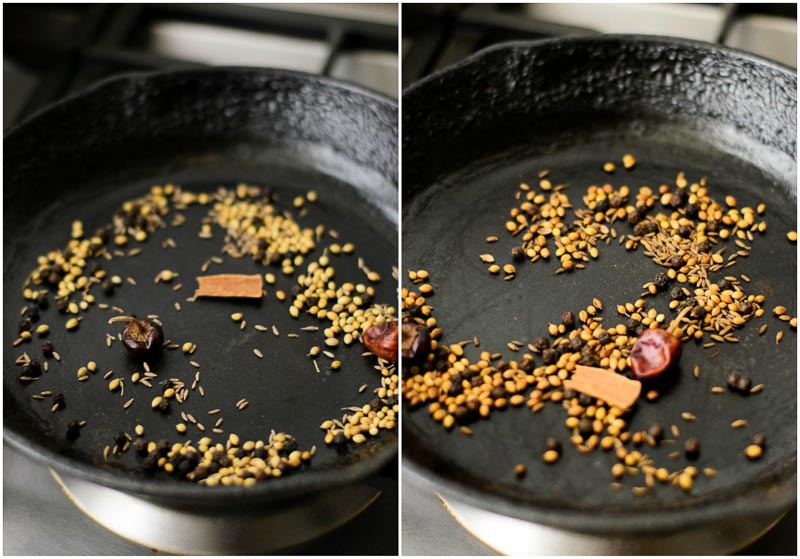
Selavu Masala Powder – Selavu Podi Dry roast all the ingredients listed under “selavu masala”. Dry roast on a very low flame until the spices are roasted and aromatic. It will slowly start to change colour. Make sure not to burn the spices. When they slightly change colour and smells aromatic, remove from heat and set aside to cool.
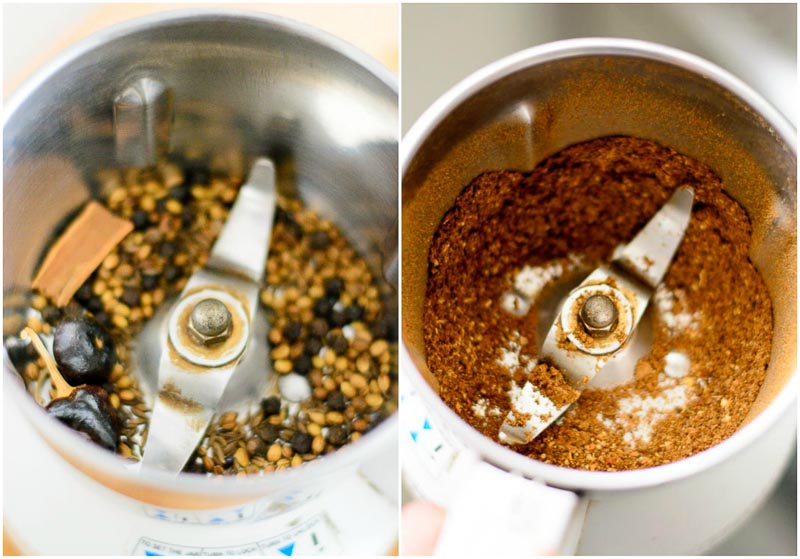
Grind the masala to a fine powder.
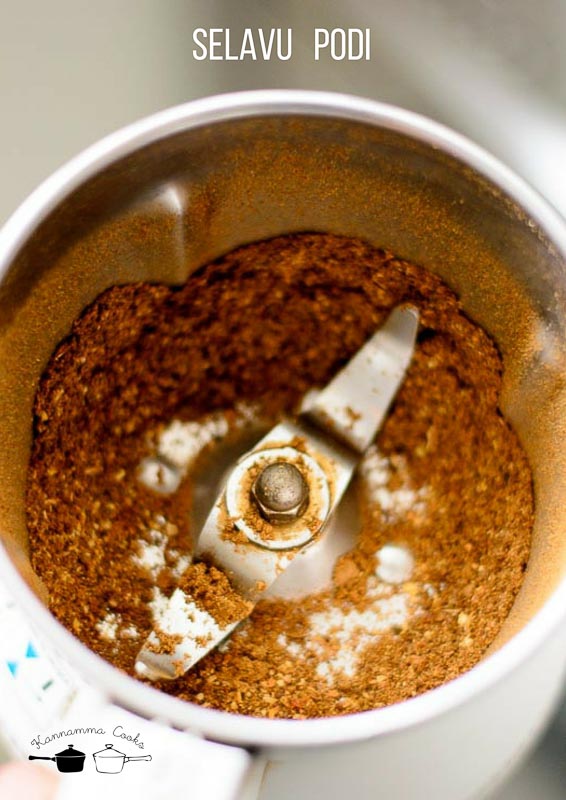
Fragrant selavu masala powder is ready!
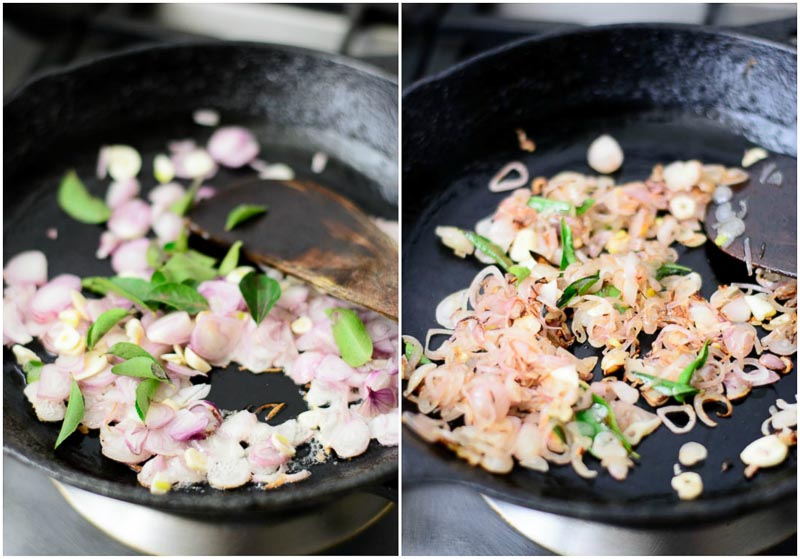
Lets make the Curry Paste. (Selavu Aracha Masala) Heat Indian sesame oil (gingely oil) in a pan and add in the chopped small onions (Indian Shallots), chopped garlic and the curry leaves. Fry till the small onions are soft and slightly starting to brown. It will take about 3-4 minutes on a medium flame.
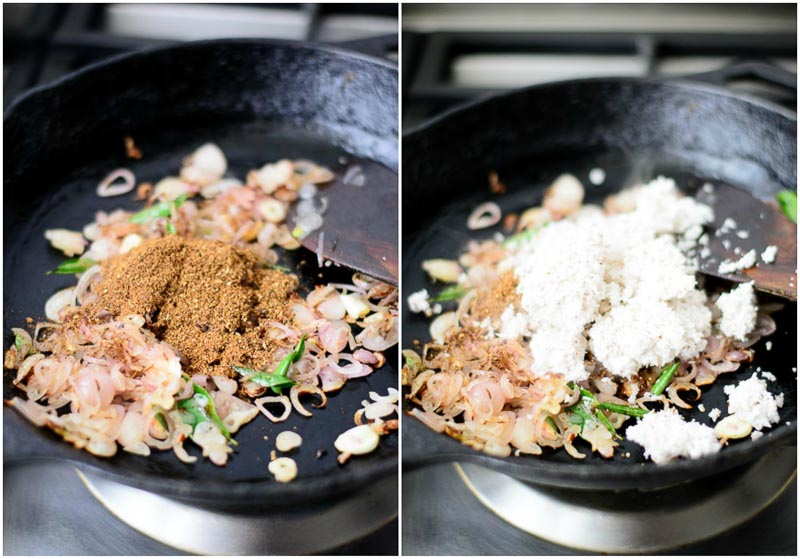
Add in the ground selavu masala powder and saute for a few seconds. Add in the fresh shredded coconut. Fry for a minute.
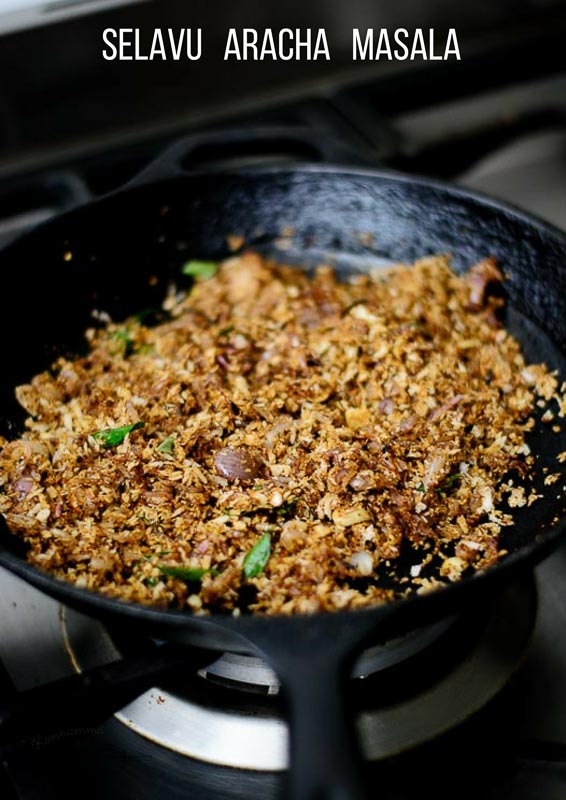
Remove from heat and set aside to cool.
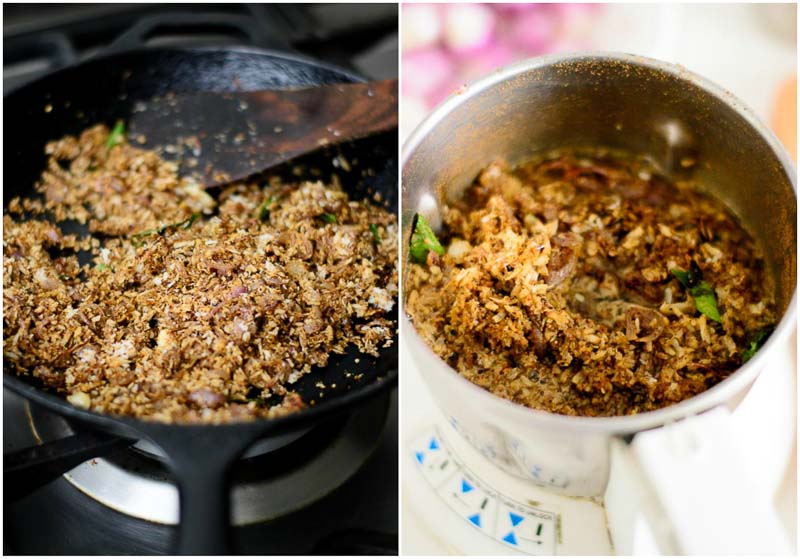
Grind the cooled mixture with half a cup of water to a fine paste. Set aside.
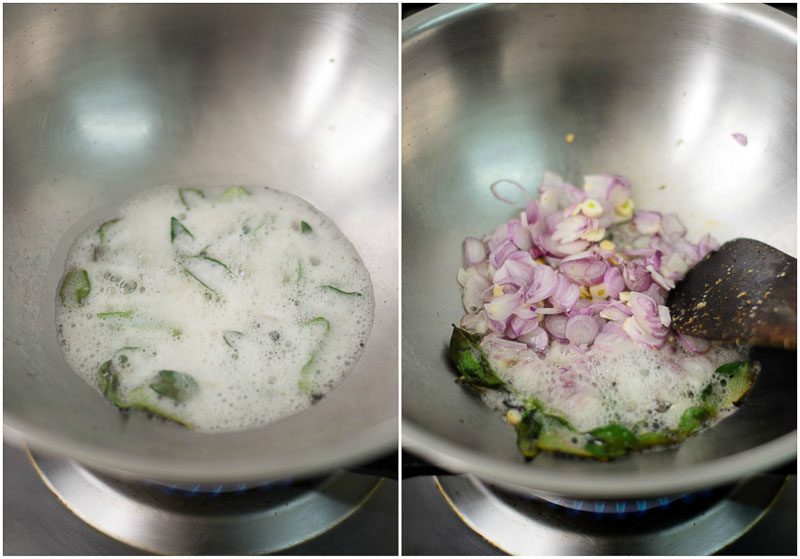
Heat Indian sesame oil (gingely oil) in a pan and add in the mustard seeds and curry leaves. let the mustard seeds splutter. Add in the finely sliced small onions and garlic.
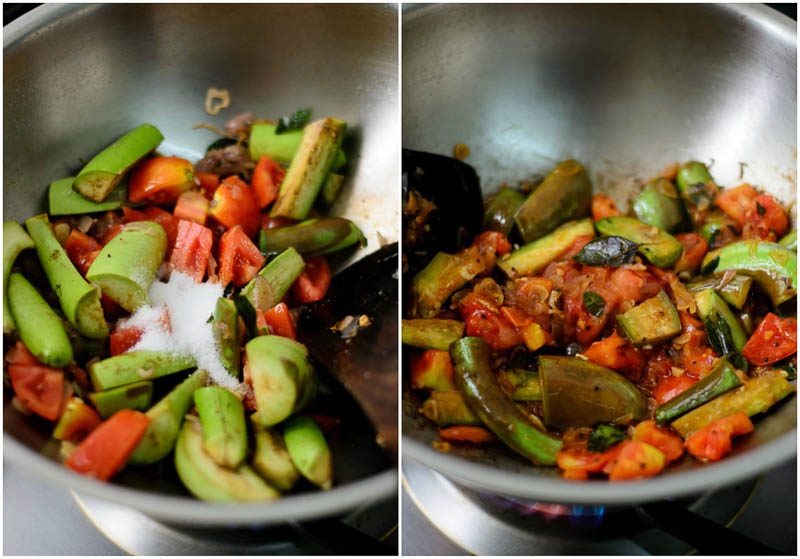
Once the small onions are cooked and slightly brown, add in the tomatoes and chopped brinjals. Add in the salt and saute for a minute.
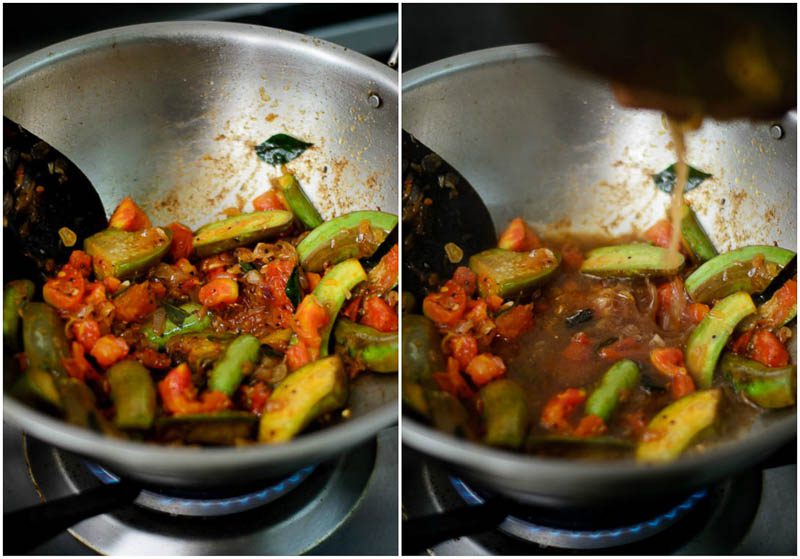
Add in the tamarind pulp. (Soak the tamarind in a cup of water for 15 minutes. Press the tamarind with fingers to extract the juices. Discard the seeds and the pith. Use the pulp water.)
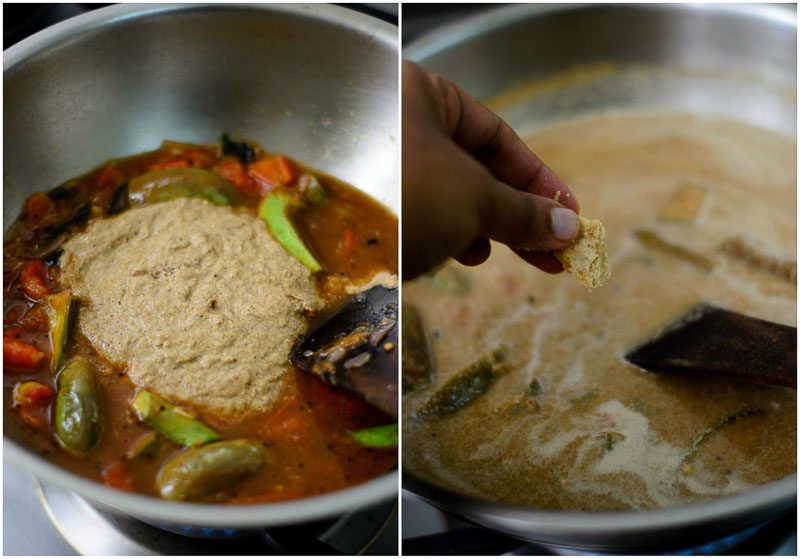
Add in the ground masala paste and a cup of water. Add in a small piece of jaggery. Jaggery is optional. We like jaggery at home in tamarind based curries. It nicely rounds out the flavor of the kuzhambu,
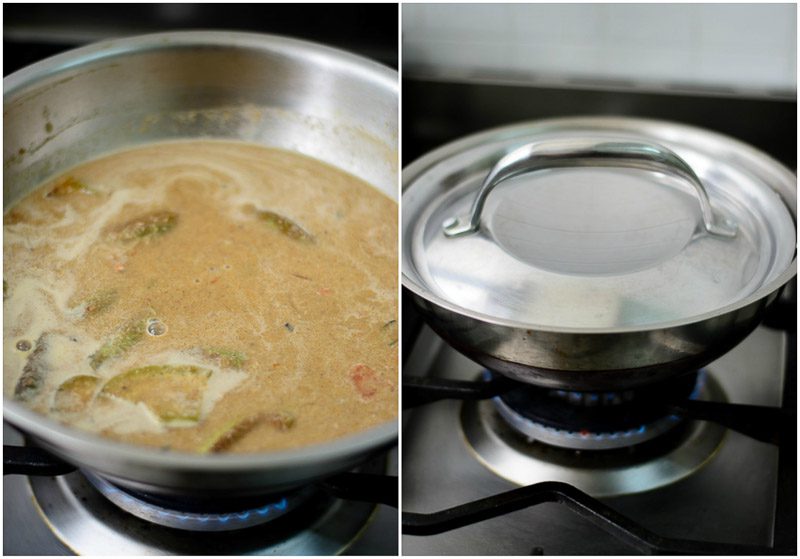
Cover the curry with a lid and simmer for 15 minutes.
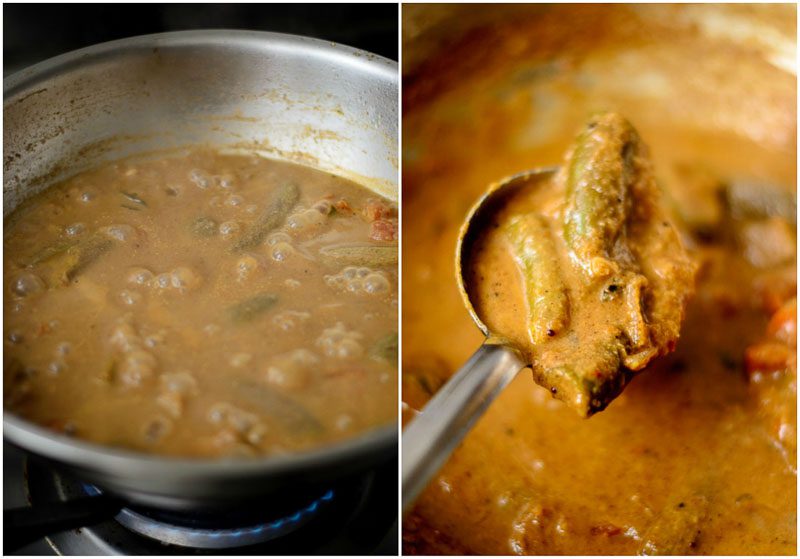
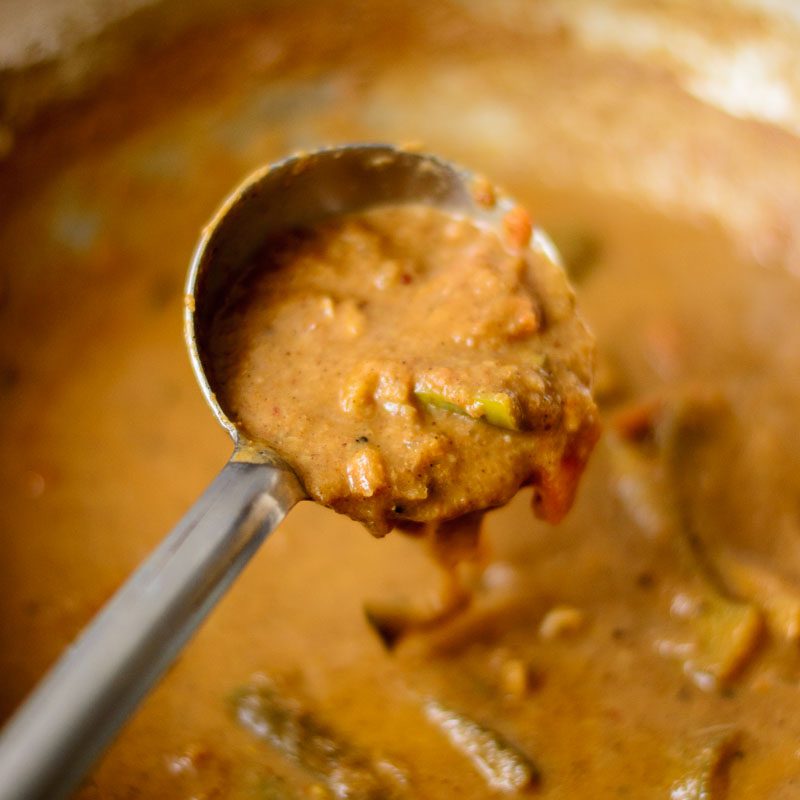
Selavu Kuzhambu is ready. Sprinkle the curry with a big pinch of asafoetida.
Serve hot with rice.
For Selavu Masala Powder (Selavu Podi)
- 2 teaspoon coriander seeds
- 1 teaspoon cumin seeds
- 1 teaspoon black pepper
- 2 dried red chillies
- 1 inch cinnamon stick
Curry Paste (Selavu Aracha Masala)
- 2 teaspoon Indian sesame oil (gingely oil)
- 15 shallots (Indian small onions), chopped
- 4 cloves garlic
- 1 sprig curry leaves
- 1/2 cup fresh shredded coconut
Other Ingredients for the kuzhambu
- 1 teaspoon Indian sesame oil (gingely oil)
- 1/4 teaspoon mustard seeds
- 1 sprig curry leaves
- 10 shallots (Indian small onions), chopped
- 4 cloves garlic
- 1 ripe tomato chopped
- 4 - 5 brinjals , diced
- 1 teaspoon salt
- 1 tablespoon tamarind (Soak the tamarind in a cup of water and extract pulp)
- 1/2 teaspoon jaggery
- A big pinch of asafoetida
For Selavu Masala Powder (Selavu Podi)
- Dry roast all the ingredients listed under “selavu masala”. Dry roast on a very low flame until the spices are roasted and aromatic. Grind to a fine powder. Set aside.
Curry Paste (Selavu Aracha Masala)
- Heat Indian sesame oil (gingely oil) in a pan and add in the chopped small onions (Indian Shallots), chopped garlic and the curry leaves. Fry till the small onions are soft and slightly starting to brown.
- Add in the ground selavu masala powder and saute for a few seconds. Add in the fresh shredded coconut. Fry for a minute. Remove from heat and set aside to cool. Grind the cooled mixture with half a cup of water to a fine paste. Set aside.
For the Kuzhambu
- Heat Indian sesame oil (gingely oil) in a pan and add in the mustard seeds and curry leaves. let the mustard seeds splutter. Add in the finely sliced small onions and garlic
- Once the small onions are cooked and slightly brown, add in the tomatoes and chopped brinjals. Add in the salt and saute for a minute.
- Add in the tamarind pulp.
- Add in the ground masala paste and a cup of water. Add in a small piece of jaggery. Jaggery is optional.
- Cover the curry with a lid and simmer for 15 minutes. Sprinkle the curry with a big pinch of asafoetida.
- Selavu Kuzhambu is ready. Serve hot with rice.
Notes
A note on veggie used. Veggies like Bottle Gourd, Ladies Finger (Okra), Sprouted Lentils can also be used in this curry.
- Author: Kannamma - Suguna Vinodh
- Prep Time: 20 mins
- Cook Time: 30 mins
- Category: Curries
- Cuisine: Kongunad - Tamilnadu
