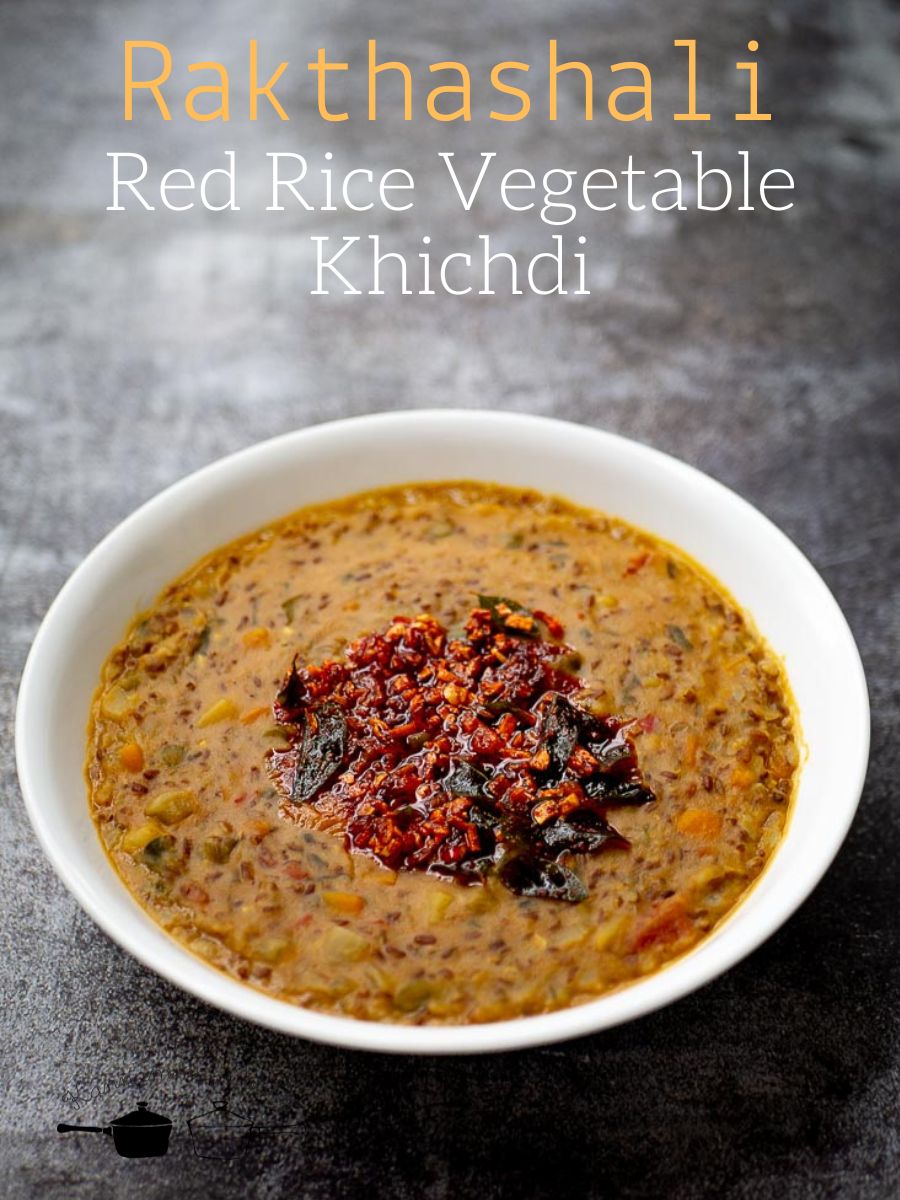
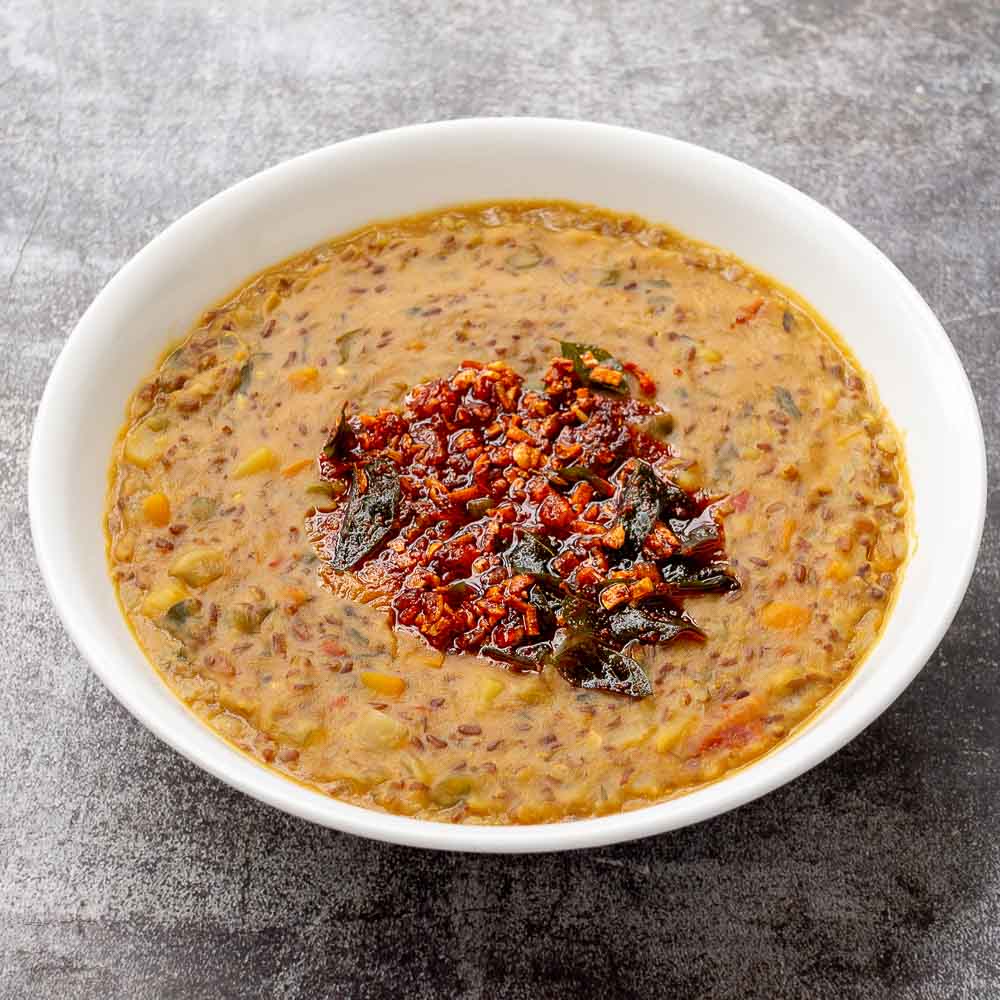
Vegetable loaded khichdi recipe made with unpolished Rakthashali red rice, mixed lentils and spices. This khichdi is a healthy whole grain fiber loaded recipe.
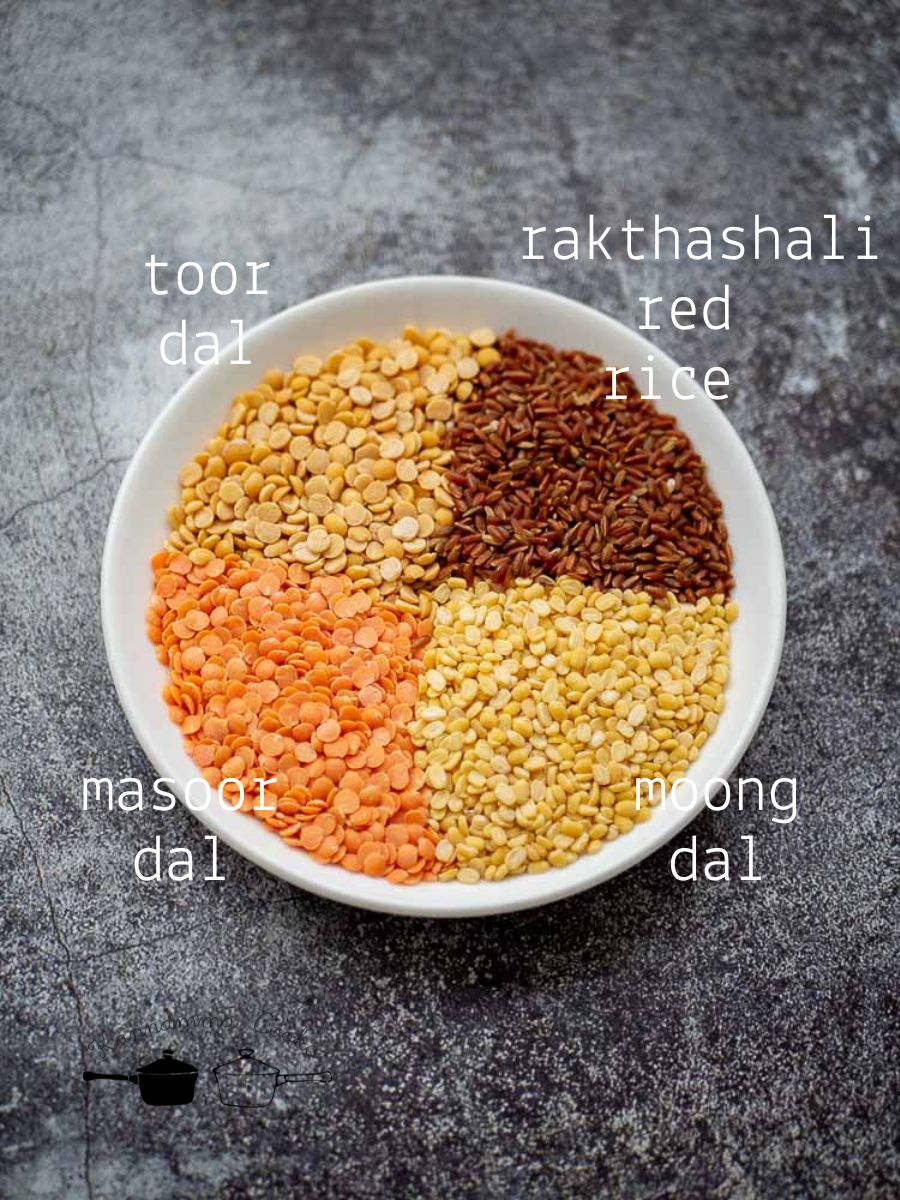
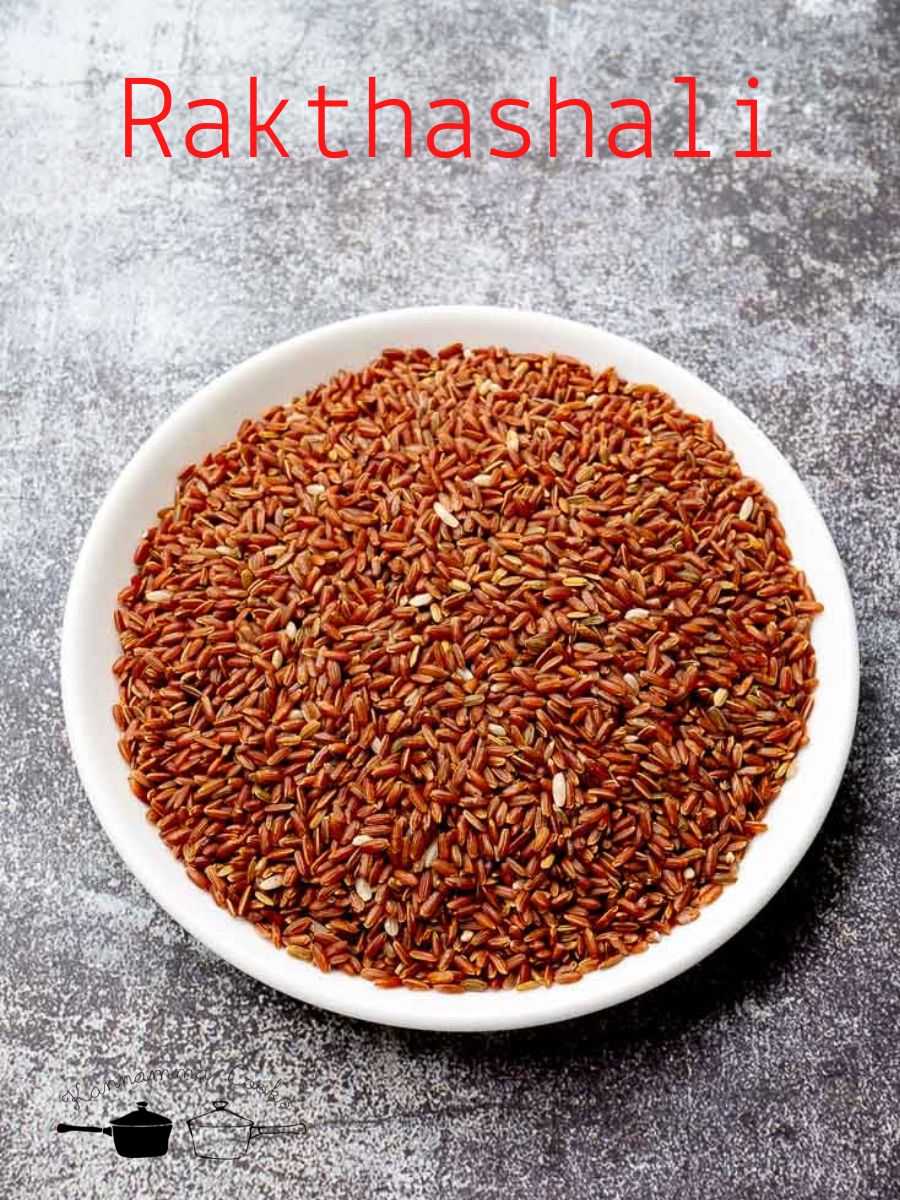
When I was talking to Devi @biobasics recently, something she said stuck with me. “The farmers are ready to cultivate these indigenous varieties of rice – no problem there, but we as consumers are not yet open to eating them. Only if we start eating different varieties of rice, can the indigenous varieties be saved.” Why will a farmer produce something that he cannot sell? It just stuck me so hard that day. The problem with these rice is that it’s new to a lot of us. There are a lot of inhibitions as to whether the family will like the rice, whether the kids will approve, will elders in the family give a thumbs up etc.. If you are reading this post, there is one takeaway for you today. Buy a small quantity of rice to start with. Pick any rice based on its colour or a name that sounds good to you, or something you heard about somewhere… buy 500 grams to start with and make it at home. See how you like it and slowly start building your pantry with these healthy rice varieties. My recent liking is for this Rakthashali Red Rice. This variety has innumerable health benefits. It’s recommended for pregnant women and lactating mothers. This is one of the rarest varieties that is even mentioned in Ayurveda. Charaka Samhita, a text on ayurvedic medicine mentions its healing properties for someone who is anaemic. “Raktha” means blood. Bio Basics considers Rakthashali to be one of the top five rices that they possess.
Here are the things you can buy online for making this recipe Bergner Pressure Cooker 5.5 liters https://amzn.to/3bO1BYn Rakthashali Red Rice https://amzn.to/3bO0rft A2 Cultured Ghee https://amzn.to/3IqHGLv High Curcumin Lakadong Turmeric Powder https://amzn.to/3a99yHh
Here is the video of how to make Rakthashali Red Rice Vegetable Khichdi | Unpolished Red Rice Khichdi with Vegetables | Whole Grain Recipe Print
Main Ingredients
3/4 cup rakthashali rice 1/4 cup moong dal 1/4 cup toor dal 1/4 cup masoor dal 1 tablespoon coconut oil 1/2 teaspoon cumin seeds 4 cloves garlic, finely chopped 1/2 inch ginger, finely chopped 1 sprig curry leaves, chopped 1/4 teaspoon asafoetida 1/2 cup onion, chopped 1 green chilli, chopped 1/2 teaspoon turmeric powder 1/2 teaspoon red chilli powder 1/2 cup tomatoes, chopped 1 teaspoon salt 3 cups mixed vegetables of choice 5 cups water
For Tempering
2 teaspoon ghee 3 cloves garlic, finely chopped 3 shallots, sliced 1 sprig curry leaves 1 teaspoon Kashmiri red chilli powder
I am using rakthashali, a variety of unpolished red rice, for making the khichdi today. Any unpolished red rice or brown rice variety will work for this recipe. Add in about a quarter cup each of moong dal, toor dal and masoor dal. Wash the rice and lentils well a couple of times. If you cannot source red rice, brown rice works perfectly too. Wash and soak the rice and lentil mixture in water for atleast an hour. Soaking the rice is important as unpolished rice needs to be soaked, so they cook to a soft texture. Heat coconut oil in a pressure cooker. Add in little cumin seeds, finely chopped garlic, finely chopped ginger, chopped curry leaves and some asafoetida. Saute for a few seconds so the spices and herbs get toasted in oil. Add the chopped onions to the pan. Add in the chopped green chillies. Saute for a few minutes till the onions are soft. Once the onions are soft, add in the turmeric powder and the red chilli powder. Saute for a few seconds for the spice powders to get roasted in oil. Add in the chopped tomatoes. Add in the salt. Salt will help the tomatoes to cook faster. Saute for a few minutes till the tomatoes are soft and mushy. We will be using about 3 cups of vegetables today. Use whatever you have in your refrigerator. I have used a combination of roughly chopped spinach, chopped carrots, chopped green beans, some potatoes – potatoes add a nice texture and flavour to your khichdi. So definitely, use some potatoes, and finally some chopped radish. The kind of vegetables you use is completely up to you. Add the veggies to the pan and mix well so the masalas coat the veggies evenly. Add in about five cups of water and mix well to combine. After mixing well, wait for the water to come to a slow boil. Once the water comes to a boil, add in the soaked and drained rice and lentil mixture. Mix once. Cover the pressure cooker and add in the weight. Cook for 20 minutes. After the first whistle, reduce the flame to low and cook for the remaining time. Ignore the number of whistles. Cooking on a low flame is important so the khichdi does not scorch at the bottom. After the said time, wait for the pressure to settle naturally. Once the pressure settles, open the cooker and mix well to combine. The rice and lentil mixture should be cooked to a soft and creamy consistency. The khichdi will slightly thicken up as it cools. Now let’s do a quick tempering for the khichdi. Heat ghee in a small kadai and add in the chopped garlic, sliced shallots and curry leaves. Saute till the shallots are golden and crisp. At this stage, switch off the flame and add in the kashmiri red chilli powder. Let the chilli powder bloom in hot oil. Add in the hot tempering to the khichdi. Our super healthy vegetable khichdi is ready. Serve hot!
- Author: Suguna Vinodh
- Prep Time: 60m
- Cook Time: 40m
Main Ingredients
3/4 cup rakthashali rice 1/4 cup moong dal 1/4 cup toor dal 1/4 cup masoor dal 1 tablespoon coconut oil 1/2 teaspoon cumin seeds 4 cloves garlic, finely chopped 1/2 inch ginger, finely chopped 1 sprig curry leaves, chopped 1/4 teaspoon asafoetida 1/2 cup onion, chopped 1 green chilli, chopped 1/2 teaspoon turmeric powder 1/2 teaspoon red chilli powder 1/2 cup tomatoes, chopped 1 teaspoon salt 3 cups mixed vegetables of choice 5 cups water
For Tempering
2 teaspoon ghee 3 cloves garlic, finely chopped 3 shallots, sliced 1 sprig curry leaves 1 teaspoon Kashmiri red chilli powder
I am using rakthashali, a variety of unpolished red rice, for making the khichdi today. Any unpolished red rice or brown rice variety will work for this recipe. Add in about a quarter cup each of moong dal, toor dal and masoor dal. Wash the rice and lentils well a couple of times. If you cannot source red rice, brown rice works perfectly too. Wash and soak the rice and lentil mixture in water for atleast an hour. Soaking the rice is important as unpolished rice needs to be soaked, so they cook to a soft texture. Heat coconut oil in a pressure cooker. Add in little cumin seeds, finely chopped garlic, finely chopped ginger, chopped curry leaves and some asafoetida. Saute for a few seconds so the spices and herbs get toasted in oil. Add the chopped onions to the pan. Add in the chopped green chillies. Saute for a few minutes till the onions are soft. Once the onions are soft, add in the turmeric powder and the red chilli powder. Saute for a few seconds for the spice powders to get roasted in oil. Add in the chopped tomatoes. Add in the salt. Salt will help the tomatoes to cook faster. Saute for a few minutes till the tomatoes are soft and mushy. We will be using about 3 cups of vegetables today. Use whatever you have in your refrigerator. I have used a combination of roughly chopped spinach, chopped carrots, chopped green beans, some potatoes – potatoes add a nice texture and flavour to your khichdi. So definitely, use some potatoes, and finally some chopped radish. The kind of vegetables you use is completely up to you. Add the veggies to the pan and mix well so the masalas coat the veggies evenly. Add in about five cups of water and mix well to combine. After mixing well, wait for the water to come to a slow boil. Once the water comes to a boil, add in the soaked and drained rice and lentil mixture. Mix once. Cover the pressure cooker and add in the weight. Cook for 20 minutes. After the first whistle, reduce the flame to low and cook for the remaining time. Ignore the number of whistles. Cooking on a low flame is important so the khichdi does not scorch at the bottom. After the said time, wait for the pressure to settle naturally. Once the pressure settles, open the cooker and mix well to combine. The rice and lentil mixture should be cooked to a soft and creamy consistency. The khichdi will slightly thicken up as it cools. Now let’s do a quick tempering for the khichdi. Heat ghee in a small kadai and add in the chopped garlic, sliced shallots and curry leaves. Saute till the shallots are golden and crisp. At this stage, switch off the flame and add in the kashmiri red chilli powder. Let the chilli powder bloom in hot oil. Add in the hot tempering to the khichdi. Our super healthy vegetable khichdi is ready. Serve hot!
- Author: Suguna Vinodh
- Prep Time: 60m
- Cook Time: 40m
Find it online : https://www.kannammacooks.com/red-rice-vegetable-khichdi/
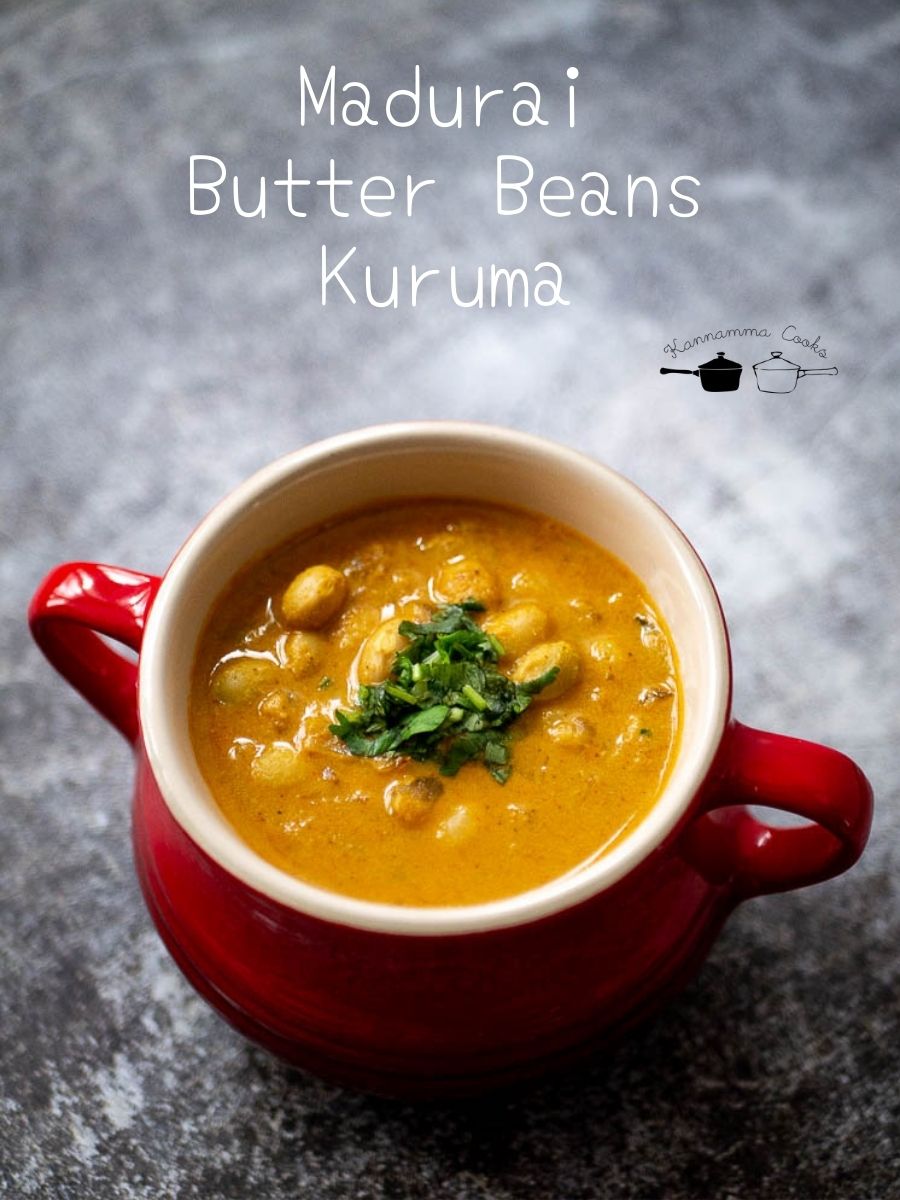
Recipe for a delicious kuruma made with butter beans and coconut masala paste. Perfect side dish for idli, dosai and chapati. Recipe with video.
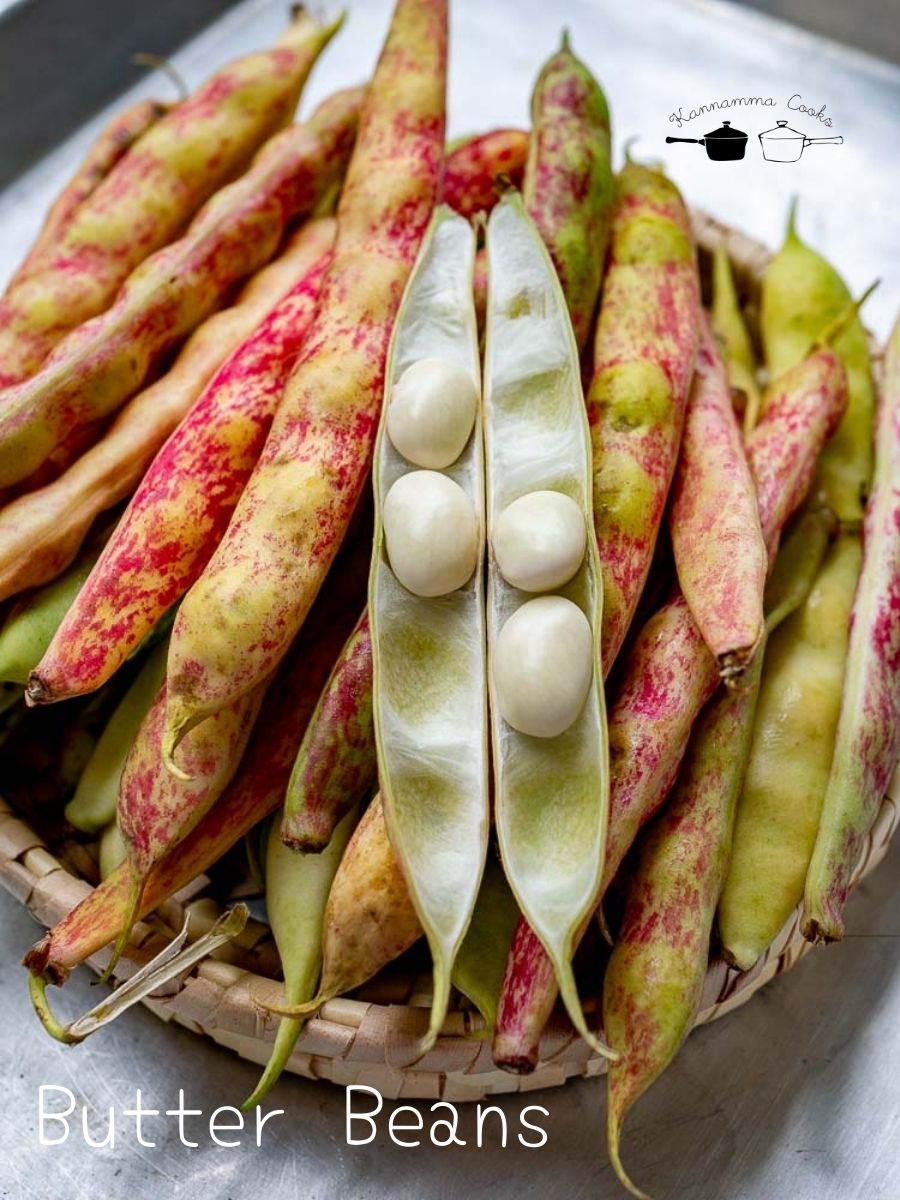

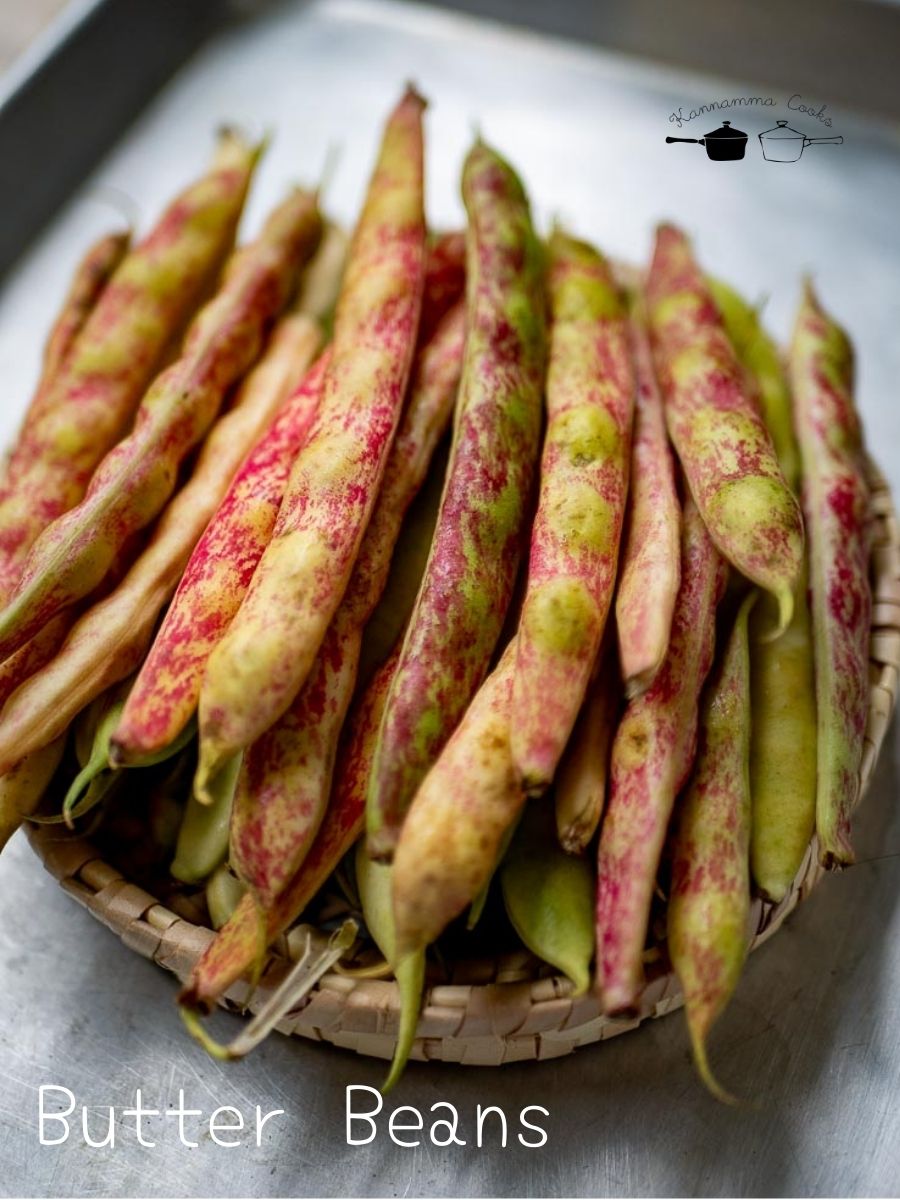
A very popular variety of lima bean that’s prized in Madurai and Southern Tamilnadu. It is cultivated in Kodaikanal and Palani hills. The butter bean is held on par with meat as an ingredient in the kitchens of Madurai, Virudhunagar and interior southern parts of Tamilnadu. It’s also expensive. A kilogram of unpeeled butter bean can go upwards of Rs.200. If you go to a Madurai household for lunch as a guest and you are a vegetarian, this along with / or fresh red soya beans would be served for lunch. It would be in the form of a poriyal / stir-fry or a semi gravy called butter beans masala. We all know Madurai for its varied offerings of South Indian breakfast, parottas, mutton galore and offal. But Madurai home kitchens take pride in their butter beans and are a mainstay. Butter beans are added while making pulao and also to their mutton kuzhambu. Many times, people kind of misunderstand butter beans for double beans. They are both different. It’s very rare to get butter beans in the north of Tamilnadu. These days, you do get it once in a while in super markets. I have never seen this while growing up in Coimbatore. They taste fantastic in a kurma and the beans are so creamy and tastes very rich. So next time on your trip to meet Meenakshi, stop at the farmers market and dont forget to pick a kilogram of butter beans.
Here are the things you can buy online for making Madurai Butter Beans Kuruma Carote Non Stick Kadai https://amzn.to/3Agdj88 Bergner Pressure Cooker https://amzn.to/3bO1BYn High Curcumin Lakadong Turmeric Powder https://amzn.to/3a99yHh Panasonic Mixie https://amzn.to/2YnuS2P Curry Masala Powder https://amzn.to/3ujbhAs
Here is the video of how to make Madurai Butter Beans Kuruma

For Cooking Butter Beans
2 cups butter beans (measured after peeling) 1/2 teaspoon salt 1.5 cups water
Other Ingredients
2 tablespoon groundnut oil 1/2 teaspoon cumin seeds 2 sprig curry leaves 1/2 cup shallots, sliced 3/4 teaspoon red chilli powder 1/2 teaspoon turmeric powder 3/4 teaspoon coriander powder 3/4 teaspoon curry masala powder 1/2 teaspoon salt 1/2 teaspoon sugar 1/2 of a lime, juiced 2 sprigs coriander leaves, chopped
For Tomato Masala Paste
2 tomatoes, roughly chopped 1 pod country garlic 1 inch piece ginger, chopped 2 green chillies, chopped 1/2 teaspoon fennel seeds
For Coconut Masala Paste
1/2 cup fresh shredded coconut 12 cashews 1.5 teaspoon white poppy seeds ( soaked in little hot water for five minutes ) 2 cloves 1 small piece cinnamon (cassia) 1.5 cups water (divided)
Butter Beans is a variety of lima beans and is usually cultivated in the hilly mountain regions. They need to be shelled. Once shelled, they can be stored in the refrigerator or frozen till later.
Add two cups of shelled butter beans to a small pressure cooker. Add in a little salt and water. Cover the pressure cooker and cook for three whistles. It should take about five to six minutes.
Wait for the pressure to settle before opening the cooker. Open the cooker after the pressure has completely subsided. The beans should be cooked to a soft texture. If pressed, they should be soft to press and become mushy. The skin will be intact even though the insides are mushy. Set aside.
Heat a couple of tablespoons of ground nut oil in a pan. Add in the cumin seeds, curry leaves and sliced shallots. Saute till the shallots are soft and slowly starting to brown. Once the shallots are lite golden in colour, add in the red chilli powder, turmeric powder, coriander powder and curry masala powder. I have used readymade curry masala powder for this recipe. Saute for a few seconds for the spice powders to get toasted in oil.
In the meantime, add a couple of roughly chopped tomatoes to a mixie. Add in a pod of country garlic. If you do not have country garlic, regular garlic will work too. add in the ginger, chopped green chillies and little fennel seeds. Grind this mixture to a smooth paste.
Add this ground paste to the pan. Saute for three to four minutes till the mixture is dry. Add in the cooked beans along with the water. Remember that we added half salt while cooking the beans and so the kuruma will be half salted now. Mix well to combine.
While the kuruma is simmering, we will make a coconut masala paste.
Take a mixie jar and add in the fresh shredded coconut. Add in the cashews. Add in the poppy seeds. Soak the poppy seeds in little hot water for five minutes so it’s easy to grind. Add in a couple of cloves and a small piece of cinnamon. Add enough water and grind to a smooth paste.
It’s important that the paste be ground to a smooth texture so our kuruma will be creamy. Add in the ground coconut masala paste to the pan. Wash the mixie with little water and add back to the pan. Add in a little salt. Mix well to combine. Cook on a low flame for about 10 – 12 minutes. Saute once in a while. If the kuruma feels very thick while simmering, add little hot water to adjust the consistency.
Once the kuruma has cooked well, Add in a little sugar to balance the flavours. The sugar will not sweeten the kuruma but nicely round the flavours of the dish. Add in juice of half a lime at this stage and switch off the flame. Finish with a generous sprinkling of coriander leaves. Our fantastic Madurai butter bean kuruma is ready. This can be served with Idli, Dosai or Chapati.
- Author: Suguna Vinodh
- Prep Time: 15m
- Cook Time: 30m
