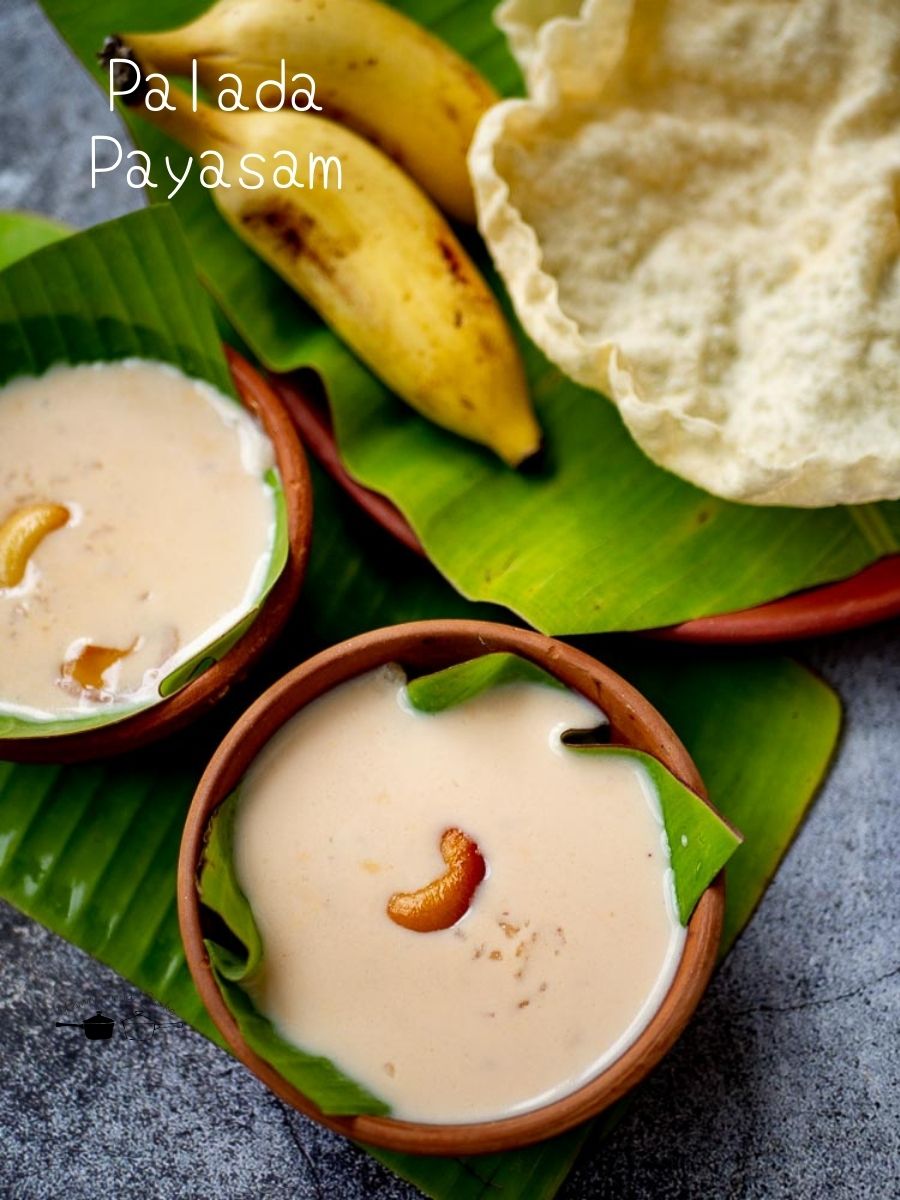
Palada Payasam Made In Instant Pot | Palada Pradhaman Recipe | Easy Recipe Made In Instant Pot
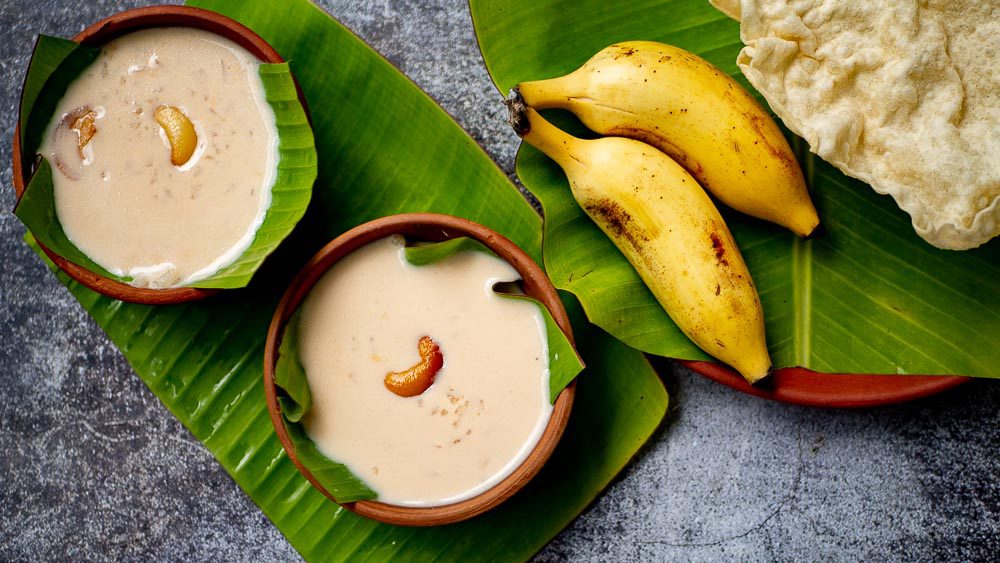
Here is the recipe for palada payasam made in an instant pot. Traditionally Palada payasam is one of the most laborious desserts made at home. The milk for the payasam is simmered for hours, stirring continuously. But dont worry. With the instant pot, this is one of the easiest and the most tasty payasam you can make at home. Here are the things you can buy online for making Palada Payasam Instant Pot Electric Pressure Cooker https://amzn.to/3QfwKUc Rice Palada https://amzn.to/3uyYKZU
Here is the video of how to make Palada Payasam Print

1 liter full cream milk 1/2 cup water 1/3 cup of sugar 1/3 cup of dried palada 200 grams condensed milk 1 pinch of salt 1/2 teaspoon ghee 10 cashews, halved
I am going to be making the payasam with a liter of milk today. Full cream / fat milk is preferred for making this recipe. The butterfat in the milk makes the payasam rich and creamy. So do not use skimmed milk for making this recipe. Add the fresh milk to the instant pot.
Add in about 1/2 cup of water to the pot. The water will help the milk from scorching at the bottom while cooking.
Add in about 1/3 cup of sugar to the pot.
Using a metal spoon, mix everything well. Do not use a wooden spoon while making milk based dishes. The residual food particles that might remain in the wooden spoon may curdle the milk while cooking. So always use a metal spatula while making milk based dishes.
After mixing well, close the instant pot with the lid. Lock the lid into place, set the pressure release knob to sealing position.
Select and press the steam function on the instant pot. Set the timer for 40 minutes.
While the milk is cooking, we will get the palada ready. Any readymade brands available in the market will work for this recipe. It will be available in the form of cooked and dried rice bits. Add 1/3 cup of palada to a bowl. Wash the palada in water once. After washing, soak the palada in water for 30 minutes. Regular room temperature water will do. Some people use hot water to soak but I prefer to soak the palada in cold water as they turn out nice, soft and springy when cooked without becoming overly soft and mushy.
After 30 minutes, our palada should be nicely soaked. It should have slightly increased in volume due to the absorption of water. Drain the water from the palada and set aside.
Once the set 40 minutes on the instant pot is over, let the pressure in the instant pot settle on its own. If you try to release the pressure manually, the milk will spew out creating a mess. So do not release the pressure while making milk based dishes. Trust me. I have done this and it’s not funny. The mess is real.
So wait for the pressure to settle. Once the pressure settles, turn the release knob from sealing to venting position. Open the lid and mix well.
Now add our palada. Add a pinch of salt. Mix well.
After mixing well, close the instant pot with the lid. Lock the lid into place, set the pressure release knob to sealing position.
Select and press the steam function again on the instant pot. Set the timer for 2 minutes.
Once the said time is over, let the pressure in the instant pot settle on its own.
Once the pressure settles, turn the release knob from sealing to venting position. Open the lid.
Remove the pot and set it on a table. Add in a small can of condensed milk. This step of adding condensed milk is totally optional but it makes the payasam extra special. Add the condensed milk when making the payasam for special occasions, parties etc.. After adding the condensed milk, mix well. No need to cook the condensed milk.
The payasam will thicken as it cools.
Now let’s fry some cashews for the payasam. Add about half a teaspoon of ghee. Do not add a lot of ghee. The palada is usually served cold. So when refrigerated, the ghee will solidify and the solid ghee does not give a good mouthfeel when eaten. It turns out greasy. So add very little ghee for frying the cashews. Fry the cashews on a low flame till golden. Once golden, remove the cashews from the stove and add it to our payasam.
Now, Refrigerate the payasam for atleast 6 hours. After refrigeration, the payasam will be very creamy and the texture will be to die for. Serve chilled.
That’s all folks. Our super delicious payasam is ready. One of the finest desserts to serve your guests and they will definitely come for second servings.
- Author: Suguna Vinodh
- Prep Time: 10m
- Cook Time: 50m
1 liter full cream milk 1/2 cup water 1/3 cup of sugar 1/3 cup of dried palada 200 grams condensed milk 1 pinch of salt 1/2 teaspoon ghee 10 cashews, halved
I am going to be making the payasam with a liter of milk today. Full cream / fat milk is preferred for making this recipe. The butterfat in the milk makes the payasam rich and creamy. So do not use skimmed milk for making this recipe. Add the fresh milk to the instant pot.
Add in about 1/2 cup of water to the pot. The water will help the milk from scorching at the bottom while cooking.
Add in about 1/3 cup of sugar to the pot.
Using a metal spoon, mix everything well. Do not use a wooden spoon while making milk based dishes. The residual food particles that might remain in the wooden spoon may curdle the milk while cooking. So always use a metal spatula while making milk based dishes.
After mixing well, close the instant pot with the lid. Lock the lid into place, set the pressure release knob to sealing position.
Select and press the steam function on the instant pot. Set the timer for 40 minutes.
While the milk is cooking, we will get the palada ready. Any readymade brands available in the market will work for this recipe. It will be available in the form of cooked and dried rice bits. Add 1/3 cup of palada to a bowl. Wash the palada in water once. After washing, soak the palada in water for 30 minutes. Regular room temperature water will do. Some people use hot water to soak but I prefer to soak the palada in cold water as they turn out nice, soft and springy when cooked without becoming overly soft and mushy.
After 30 minutes, our palada should be nicely soaked. It should have slightly increased in volume due to the absorption of water. Drain the water from the palada and set aside.
Once the set 40 minutes on the instant pot is over, let the pressure in the instant pot settle on its own. If you try to release the pressure manually, the milk will spew out creating a mess. So do not release the pressure while making milk based dishes. Trust me. I have done this and it’s not funny. The mess is real.
So wait for the pressure to settle. Once the pressure settles, turn the release knob from sealing to venting position. Open the lid and mix well.
Now add our palada. Add a pinch of salt. Mix well.
After mixing well, close the instant pot with the lid. Lock the lid into place, set the pressure release knob to sealing position.
Select and press the steam function again on the instant pot. Set the timer for 2 minutes.
Once the said time is over, let the pressure in the instant pot settle on its own.
Once the pressure settles, turn the release knob from sealing to venting position. Open the lid.
Remove the pot and set it on a table. Add in a small can of condensed milk. This step of adding condensed milk is totally optional but it makes the payasam extra special. Add the condensed milk when making the payasam for special occasions, parties etc.. After adding the condensed milk, mix well. No need to cook the condensed milk.
The payasam will thicken as it cools.
Now let’s fry some cashews for the payasam. Add about half a teaspoon of ghee. Do not add a lot of ghee. The palada is usually served cold. So when refrigerated, the ghee will solidify and the solid ghee does not give a good mouthfeel when eaten. It turns out greasy. So add very little ghee for frying the cashews. Fry the cashews on a low flame till golden. Once golden, remove the cashews from the stove and add it to our payasam.
Now, Refrigerate the payasam for atleast 6 hours. After refrigeration, the payasam will be very creamy and the texture will be to die for. Serve chilled.
That’s all folks. Our super delicious payasam is ready. One of the finest desserts to serve your guests and they will definitely come for second servings.
- Author: Suguna Vinodh
- Prep Time: 10m
- Cook Time: 50m
Find it online : https://www.kannammacooks.com/palada-payasam/
What do professional footballers eat? For athletes at any level, what they eat is essential to the way they are able to perform. For professional athletes, what you eat is even more important.
Some of the best athletes in the world are footballers, especially those playing at the elite level such as the Premier League in England, La Liga in Spain or the Bundesliga in Germany.
All football clubs in these leading divisions will have an in-house nutritionist along with a head chef and other support staff, specifically focussing on players’ diets and their overall health and wellbeing.
This helps to ensure professional footballers are eating the right types of food at the right time, ensuring they are in peak physical condition for maximum performance during matches.
What’s in a professional footballer’s diet? When it comes to what to eat as a professional footballer, there is no one-size-fits-all approach. Every footballer will have different requirements depending on their weight, height, body fat percentage, muscle mass, as well as their position on the field.
A central midfielder like Jordan Henderson, for example, will have very different requirements to a central defender such as Virgil Van Dijk or a centre forward like Harry Kane. Players in these positions perform different roles with central midfielders running an average of 11.2km per game , central defenders 9.4km and centre forwards 9.5km.
Not only do the distances these players run differ, but the way they run those distances also differ with centre forwards and central defenders often carrying out more short sprints, rather than the constant motions of a central midfielder.
Whilst the individual diets of footballers will be tweaked by a nutritionist, the overall composition of what footballers eat doesn’t really change that much. Here are some of the primary components of a Premier League footballer’s diet:
Carbohydrates Like any athlete, carbs are an important part of a footballer’s diet as it provides the fuel to keep them going, in training and in matches. Carbohydrates help to fill up a footballer’s glycogen stores, however, these are quickly depleted which means that footballers need to have a high percentage of carbs in their diet.
Non-refined carbs are a favourite amongst Premier League players and these include:
- Whole Grains – whole wheat bread, pasta, and rice
- Vegetables – broccoli, peppers, potatoes, and peas
- Fresh Fruit – apples, pears, bananas, and blueberries
- Beans – lentils. Black beans, and kidney beans
- Dairy – low-fat milk, and yoghurts
If you want to eat like a professional footballer, check out some of these whole grain vegan recipes that will tick off a number of those high carbohydrate boxes:
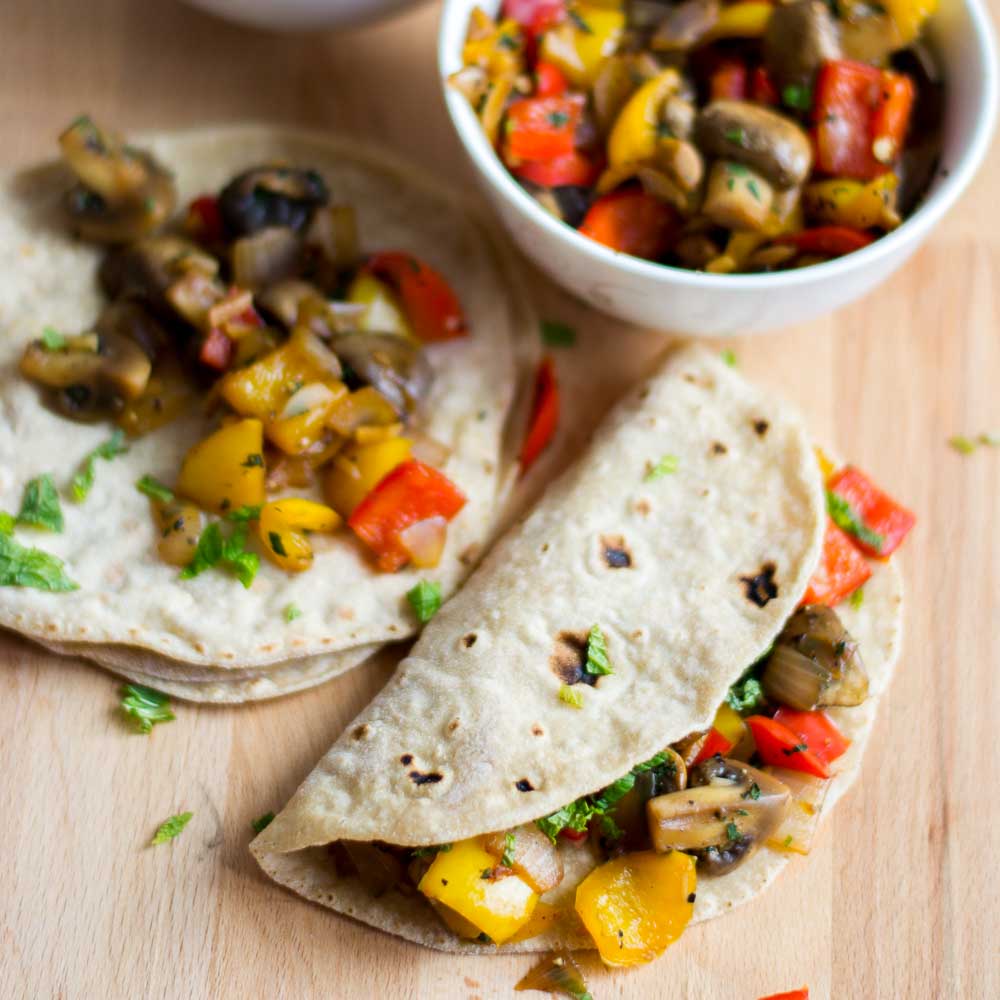
- Veggie Burrito Bowl
- Vegetable Stir Fry
Protein As you might expect, protein is another important element of a footballer’s diet. As well as helping to build muscle, protein is also great at repairing muscle following training and matches. Footballers need to consume a high volume of protein in order to stay fit and healthy and improve overall muscle strength and toning.
Foods that are high in protein include:
- Poultry
- Lean red meats
- Beans
- Eggs
- Fish
In addition to the protein footballers consume in their meals, most footballers will also use protein supplements to boost their protein intake. This is particularly common before and after both training and matches. A protein shake has a number of benefits, not least the fact that it is less bloating for players before a match or training.
Post-game, a protein shake is a quick and easy way to boost their protein intake and stimulate muscle protein synthesis (MPS).
If you are looking for inspiration for protein-rich recipes you can try today, check out these ideas featuring egg and chicken:
- Vegetable omelette
- Chicken roast
Fat Whilst fat has a lot of negative connotations and is not something you would think about when discussing the ideal diet for a professional athlete, there are two distinct types of fat: healthy and unhealthy.
Healthy fats are an important part of any athlete’s diet as they help to increase nutrient absorption in the body. Like most foods, it is important to moderate the amount of fat you consume. Professional footballers don’t want to increase their fat mass which in turn, could slow them down on the pitch.
If you want to include healthy fats as part of a balanced diet, consider consuming more of the following:
- Avocado
- Nuts – walnuts, cashews, and almonds
- Seeds – sunflower, chia, and flax
- Oily fish – salmon, tuna, and trout
Eating these healthy fats, as a snack or as part of your main meal, can help to add balance to your diet and ensure you are maximising your nutrient intake from other sources.
Hydration As well as closely monitoring the food they consume, it is also important that Premier League footballers hydrate. Premier League footballers can sweat over a litre of fluids during the course of a 90-minute game, and this can increase in hot climates like those players are likely to face at the 2022 World Cup in Qatar.
Premier League team Wolverhampton Wanderers use hydration specialists, Precision Fuel & Hydration , to help them to monitor the hydration levels of their players throughout the season, both in training and matches.
They work closely with the club’s Head of Nutrition, Dr Mayur Ranchordas and this focus on ensuring players are in peak physical condition throughout the season has reaped the benefits over the past 12 months. Wolves finished in 10th position in the Premier League in 2021-22, representing another solid season. They are currently 13.00 with Betway Sports to finish in the top six in 2022-23, improving on their best finish of seventh in 2019-20 .
When it comes to hydration, footballers primarily drink water, supplemented with sports energy drinks that provide valuable carbohydrates and electrolytes.
Eat like a professional athlete Whilst every athlete is different, following a balanced diet and keeping everything in moderation is a great way to manage the food you consume and the fuel you provide for your body.
Try some of the recipes above and try and eat a balance of the key food sources to develop muscle and ensure your body is fuelled, no matter what you are doing.
