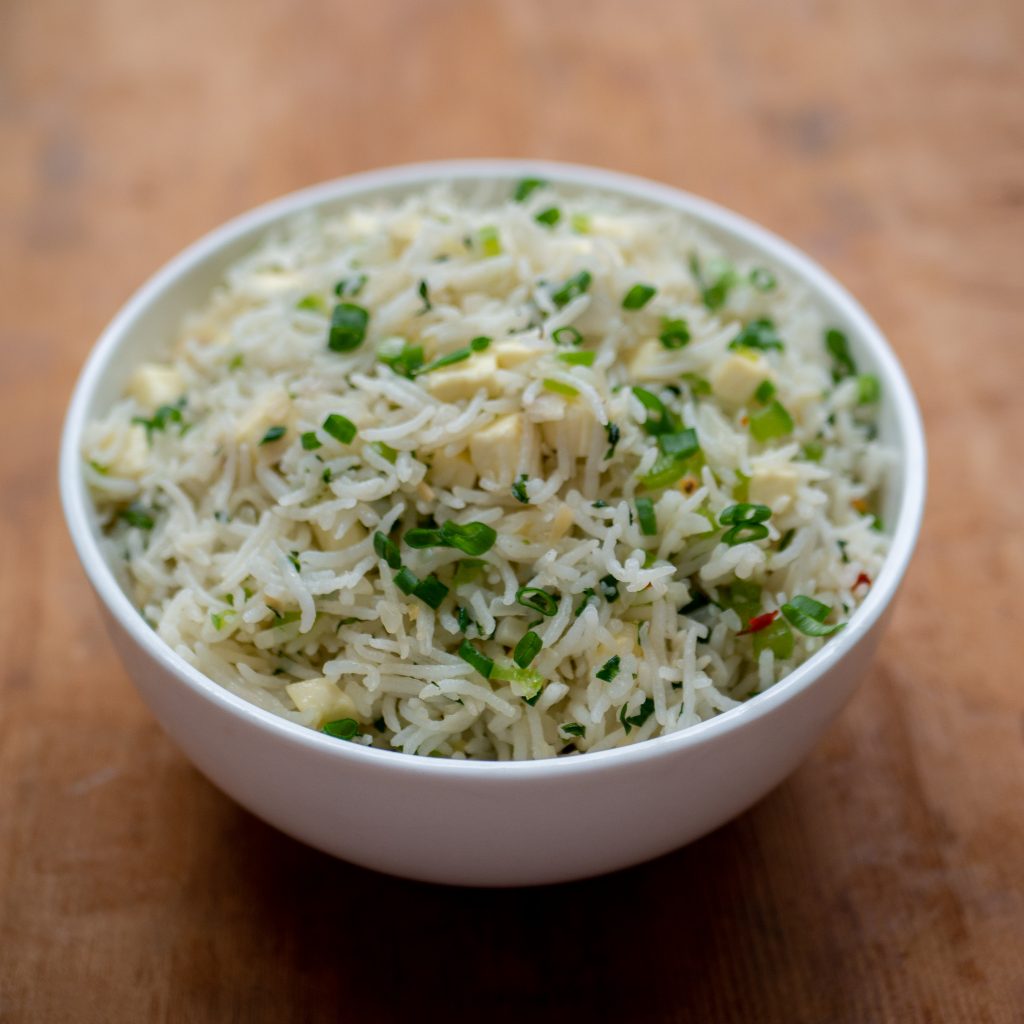
Do you like rice? Surely the answer to this question is yes. After all, who wouldn’t like it? Its flavor is simple yet excellent.
Given how delicious it is and how well it complements various dishes, it’s common to cook a lot of it, which can result in leftovers.
Some people decide to throw it away, but there’s a better alternative: store it for later reheating. Before diving into those aspects, let’s explore the versatility of rice a bit more.
Rice: A Versatile Food
Rice is one of the most consumed foods in the world due to its incredible versatility. It fits into a multitude of dishes and cultures, from the classic white rice that accompanies meals in many countries to the more elaborate Italian risottos or colorful Asian fried rice dishes.
Not only can it be cooked in various ways, but it also serves as a basic ingredient in recipes like sushi, paella, biryani, and many others. Additionally, rice can be the star in desserts like rice pudding, showing its adaptability to both savory and sweet preparations.
This ability to adapt to different flavors and cooking styles makes it an essential food in any home. It’s no wonder it often appears on our tables, and sometimes, we cook a little too much. Fortunately, rice’s easy storage and long shelf life make it perfect to keep on hand. But how should it be stored correctly? And how do you reheat it later? This is simple, and we’ll explain it in the following sections.
If You Have Leftover Rice, Store It Properly
To ensure that leftover rice stays in good condition and is safe to consume later, follow these storage tips:
- Cool quickly. After cooking rice, cool it quickly to prevent bacterial growth. Spread it out in a wide container to lose heat faster.
- Use airtight containers. Store the rice in airtight containers to protect it from moisture and contamination from other foods. This also helps maintain its freshness and flavor.
- Refrigerate promptly. Once cooled, place the rice in the refrigerator as soon as possible, preferably within two hours of cooking. Cooked rice can be kept in the refrigerator for up to four days.
- Freeze for longer storage. If you don’t plan to eat the rice within a few days, consider freezing it. Divide it into small portions and place them in freezer bags or freezer-safe containers. Rice can last up to six months in the freezer, sometimes even longer.
- Label the containers. To avoid confusion, label the containers with the date the rice was cooked. This helps you keep track and consume the oldest rice first if you have multiple batches.
Reheat Rice Correctly
Reheating rice properly is crucial to maintain its texture and flavor. Part of the information below is sourced from https://mahatmarice.com/cooking/how-to-reheat-leftover-rice/ , which offers great tips for achieving this goal:
In the Microwave
- Use a microwave-safe container.
- Add one or two tablespoons of water per cup of rice to create steam and prevent drying out.
- Cover the container with a microwave-safe lid or plate.
- Heat on medium-high power for 1-2 minutes. Stir the rice halfway through to ensure even heating.
- Let it sit for at least a minute or two before serving.
On the Stove
- Place the rice in a saucepan or skillet.
- Add a bit of water or broth, about two tablespoons per cup of rice, and stir to separate the grains.
- Heat over medium heat, covering the saucepan with a lid.
- Stir occasionally until the rice is hot and fluffy, approximately 5-10 minutes.
In the Oven
- Preheat the oven to 150°C or 300°F.
- Spread the rice on a baking sheet and add a few tablespoons of water.
- Cover with aluminum foil to maintain moisture.
- Bake for 15-20 minutes, stirring halfway through to ensure even heating.
Steaming
- Place the rice in a steamer or in a saucepan with a steaming rack.
- Add water to the saucepan without touching the rice.
- Cover and heat over medium-high until the rice is hot, approximately 5-10 minutes.
Following these methods will not only keep leftover rice safe for consumption but also allow you to enjoy it with the same quality as when it was first cooked.
Post Contributed by Roland
Kongunadu region is widely known for its flavorful cuisine. If you are planning a trip and you like tasting different cuisines, this location is a place you need to consider. Kongunadu cuisine also offers a rich collection of flavors and history that can provide ample material for writing a paper about food. So, if you have been asked to rewrite essay on food, consider exploring the kongunadu cuisine to ace the essay. Essay writing aside, here are some dishes you must try when visiting Kongunadu.
Arisi Paruppu Sadam
The dish is a one-pot meal made by combining rice, lentils, and other favorable spices. The rice used to prepare the meal is usually soft-grain rice, such as Sona Marusi. Short-grained rice can also be used; the chef will still get the desired outcomes. The dish also incorporates ghee, which adds a distinct flavor and richness to the meal, making it a must-try option.
Pacha Puli Rasam
The delicacy is a traditional Indian soup. The normal rasam is prepared by boiling and simmering, but this dish is prepared using raw tamarind. This is not a meal that needs a lot of cooking, and it is something that your chef should be able to whip up in no time. It has a lot of digestive properties, so it is recommended to be taken after a heavy meal.
Kambu Dosa
The dish is also known as millet dosa, and the preparation involves millet flour, particularly pearl millet. It is a tasty meal that has high protein content, minerals, and carbohydrates. It is a perfect meal to be taken at any time of the day, whether in the morning or evening. The preparation of this delicacy is quite simple, and there are also beliefs that it helps in regulating blood sugar levels. It is also important to note that this dish is packed with nutrients.
Kongunadu Chicken Curry
The delicacy is a luxury meal in Kongunadu made from chicken and rich spices. The chicken used to prepare the meal must be fresh, and the spices used must be freshly ground. Common spices include coriander seeds, fennel seeds, and dry red chilies. It is traditionally served with steamed rice or flatbreads like chapati or paratha. This food has significant cultural significance because freshly ground spices and coconuts are a mark of the region’s cuisine. It stresses how the community values the use of locally sourced ingredients.
Thengai Paal
The delicacy is a coconut milk-based dessert often served on special occasions. The dessert is a simple option that gives coconut milk its natural sweetness. Many ingredients are added to the food, and the first is natural sweeteners like jaggery. Jaggery is added for its rich flavor, but white or palm sugar can also be used. Raisins and nuts are also added for flavor and texture.
Elaneer Payasam
The food is a delicious dessert that is made using tender coconut. It is a rich and creamy meal that is mainly served when chilling. Like many of the region’s dishes, it is nutritious and has a unique texture, with tender coconut bits to bite.
Kongunadu Parotta
The delicacy is a crispy and layered parotta. The layering is attained by repeatedly folding and flattening ghee and dough. It is served with a side dish called salina. Salina is spicy and is made using vegetables and meat. It is cooked with various spices, making it tasty and flavorful.
Kothamalli Chutney
The food is a vibrant and flavorful condiment cuisine famous in the region. It is mainly cherished for its fresh and spicy notes and is a good compliment for many meals. It is made using various ingredients, the first being fresh coriander leaves. The coriander provides the meal with its distinctive green color and fresh flavor. The food is spiced using green chilies, and the amount of chilies used is prepared based on the chef’s preference. Ginger and garlic are used to add a warm and spicy undertone and create an aromatic flavor.
Kambu Koozh
The food is a pearl millet porridge, a highly nutritious meal in the region. It gets its value from its cooling properties, and people prefer it during hot weather to keep their bodies nourished and hydrated. The main ingredient used to prepare it is pearl millet. The millet is highly nutritious and has fiber, protein, and many essential minerals. Buttermilk is also added to provide a tangy flavor and assist in digestion. The porridge can be served together with side dishes like pickles. If you visit Kongunadu, the meal will be served traditionally in clay pots.
Ragi Mudde
The delicacy is a staple dish made from finger millet flour. It is famous for its simplicity and ability to provide sustained energy. The primary ingredient used to prepare this dish is Ragi flour. The flour has high nutritional value; the primary components are iron, calcium, and fiber. If you are looking for a simple, nutritious meal that you can take on the go, Ragi Mudde is an option you should consider. You will have the energy to explore the region and enjoy the nutritional benefits of the meal.
Arachuvitta Sambar
Freshly ground spices and coconut are used to prepare the delicacy, giving it a distinct flavor from ordinary samba. The food has a distinct aromatic quality and a better flavor thanks to the fresh spices. It is mostly enjoyed with steamed rice, as this combination makes an excellent, comforting meal.
Signing Off
If you plan to take a trip to Kongunadu, one thing you should not miss out on is trying out the region’s cuisines. The region has many traditional cuisines which you can taste. An advantage you will enjoy from the region’s dishes is that most of them have nutritional value and will keep you energized throughout your visit.
