
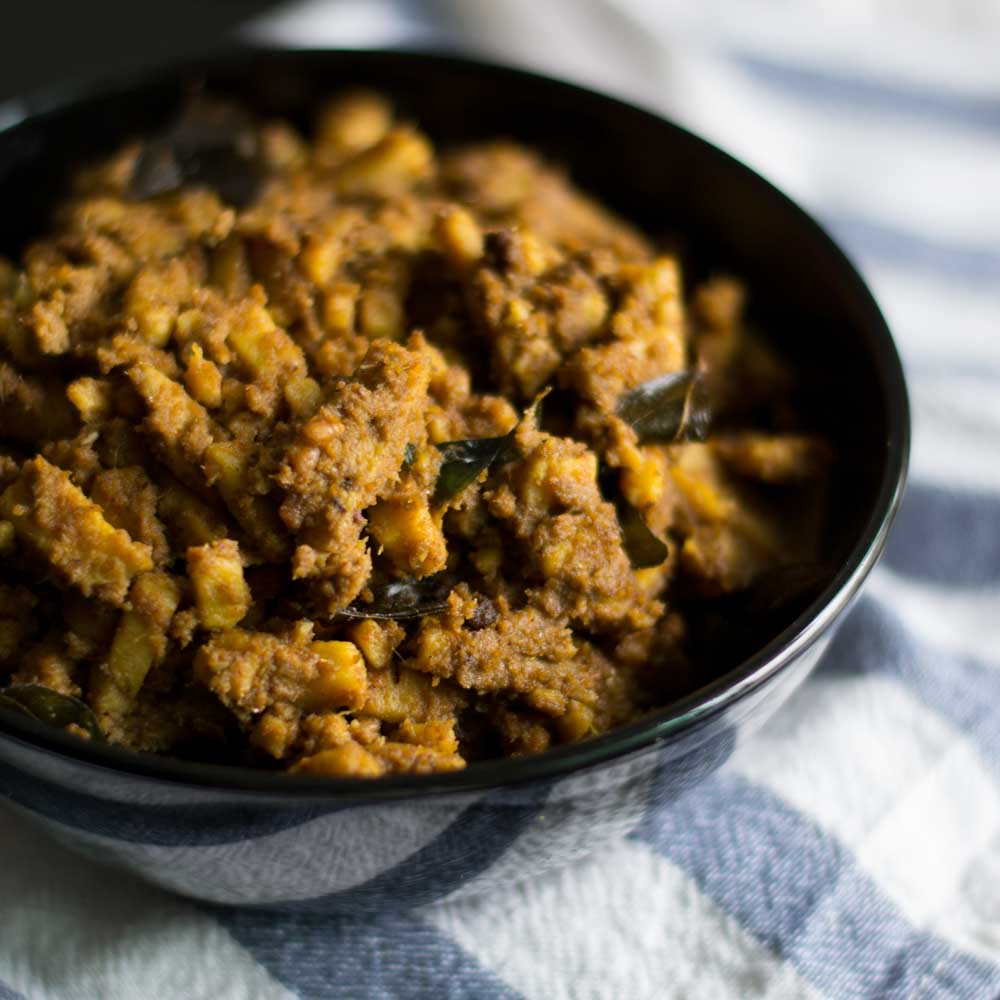
This is Renuka Aunts recipe for Senai kilangu Masala – Elephant Foot Yam Masala. I have some fond memories with her. She was 16 when she got married. Young. Too young! Her father ran a bus company that ran buses from Coimbatore to Mettupalayam. She was fondly called as the bus company Renu! We have had some of the most memorable moments. Me, Shruti and her, riding in her Premier Padmini 118 to Richie Rich at-least once a month for their superb sundaes. I loved their nut sundae. We would shop for the whole day around town till knees hurt. We would wind up for dinner at Annapoorna and I would gobble my ghee roast in no time. These are vivid memories that will stay forever with me. This Senai kilangu Masala is her moms recipe. This recipe has been passed on for generations. The interesting thing about this masala is that there is no onion or tomato in this recipe. The subtle flavor of the spices and coconut makes it very delicious. Here is Kongunad style Senai kilangu Masala – Elephant Foot Yam Masala.

There are 3 steps in this recipe for Senai kilangu masala # Senai kilangu prep # Masala prep # Tempering and finishing Senai kilangu masala NOTE: Be generous with oil at every step! First, lets do the senai kilangu prep Clean, scrape, peel and wash the senai kilangu. Wash them several times to get rid of all the dirt and sand. Cut the senai kilangu into little fingers like we do for finger chips. Set aside. (Apply oil in your hands to avoid itching while cutting yam).

Heat a pan with a liter of water and add in the cut senai kilangu. Add in the turmeric and salt. Let it boil for 5-7 minutes until the senai kilangu is 3/4th done. Remove from heat and drain. Discard the drained water. Heat a pan with couple of tablespoon of oil and fry the senai kilangu for 10 minutes on medium flame. It should start to get brown on the edges. Remove from heat and set aside.

Now we will do the masala Heat couple of tablespoon of oil in the pan until hot. Add in the cinnamon, cloves, garlic, ginger, dried red chillies, fennel seeds (sombu) and the curry leaves. Fry for a few seconds until fragrant. Add in the fresh shredded coconut, poppy seeds (khus khus), coriander powder and the salt. Fry for a couple of minutes. Remove from heat. Let it cool a bit. Transfer the mixture to a mixie/blender and add a cup of water. Grind to a very very smooth fine paste. Set aside.

Now the tempering and finishing of Senai kilangu masala Heat couple of tablespoon of oil in the pan until hot. Add in the mustard seeds, split urad dal and curry leaves. Let the mustard seeds splutter. Add in the ground masala and the fried Senai kilangu. Keep the flame on medium low and fry till the masala is well absorbed by the Senai kilangu.

Switch off the flame and serve Senai kilangu masala hot with rice.

Senai kilangu prep
- 250 grams Senai kilangu / Elephant foot yam
- 1 teaspoon turmeric
- 1 teaspoon salt
- 2 tablespoon peanut oil
Masala prep
- 2 tablespoon peanut oil
- 2 sticks cinnamon
- 2 cloves
- 6 cloves garlic
- 1 inch piece ginger, chopped
- 5 dried red chillies
- 1 1/2 teaspoon fennel seeds (sombu)
- 2 sprigs curry leaves
- 1/2 cup fresh shredded coconut
- 1 tablespoon poppy seeds (khus khus)
- 1 tablespoon coriander powder
- 1 teaspoon salt
- 1 cup water to grind
Tempering and finishing Senai kilangu masala
- 2 tablespoon peanut oil
- 1/2 teaspoon mustard seeds
- 1/2 teaspoon urad dal
- 2 sprigs curry leaves
Senai kilangu prep
- Clean, scrape, peel and wash the senai kilangu. Wash them several times to get rid of all the dirt and sand. Cut the senai kilangu into little fingers like we do for finger chips. Set aside.
- Heat a pan with a liter of water and add in the cut senai kilangu. Add in the turmeric and salt. Let it boil for 5-7 minutes until the senai kilangu is 3/4th done. Remove from heat and drain. Discard the drained water. Heat a pan with couple of tablespoon of oil and fry the senai kilangu for 10 minutes on medium flame. It should start to get brown on the edges. Remove from heat and set aside.
For the masala
- Heat couple of tablespoon of oil in the pan until hot. Add in the cinnamon, cloves, garlic, ginger, dried red chillies, fennel seeds (sombu) and the curry leaves. Fry for a few seconds until fragrant.
- Add in the fresh shredded coconut, poppy seeds (khus khus), coriander powder and the salt. Fry for a couple of minutes. Remove from heat. Let it cool a bit.
- Transfer the mixture to a mixie/blender and add a cup of water. Grind to a very very smooth fine paste. Set aside.
Tempering and finishing Senai kilangu masala
- Heat couple of tablespoon of oil in the pan until hot. Add in the mustard seeds, split urad dal and curry leaves. Let the mustard seeds splutter.
- Add in the ground masala and the fried Senai kilangu. Keep the flame on medium low and fry till the masala is well absorbed by the Senai kilangu.
- Author: Kannamma - Suguna Vinodh
- Prep Time: 20 mins
- Cook Time: 20 mins
- Category: Side Dish
- Cuisine: Tamilnadu

Senai kilangu prep
- 250 grams Senai kilangu / Elephant foot yam
- 1 teaspoon turmeric
- 1 teaspoon salt
- 2 tablespoon peanut oil
Masala prep
- 2 tablespoon peanut oil
- 2 sticks cinnamon
- 2 cloves
- 6 cloves garlic
- 1 inch piece ginger, chopped
- 5 dried red chillies
- 1 1/2 teaspoon fennel seeds (sombu)
- 2 sprigs curry leaves
- 1/2 cup fresh shredded coconut
- 1 tablespoon poppy seeds (khus khus)
- 1 tablespoon coriander powder
- 1 teaspoon salt
- 1 cup water to grind
Tempering and finishing Senai kilangu masala
- 2 tablespoon peanut oil
- 1/2 teaspoon mustard seeds
- 1/2 teaspoon urad dal
- 2 sprigs curry leaves
Senai kilangu prep
- Clean, scrape, peel and wash the senai kilangu. Wash them several times to get rid of all the dirt and sand. Cut the senai kilangu into little fingers like we do for finger chips. Set aside.
- Heat a pan with a liter of water and add in the cut senai kilangu. Add in the turmeric and salt. Let it boil for 5-7 minutes until the senai kilangu is 3/4th done. Remove from heat and drain. Discard the drained water. Heat a pan with couple of tablespoon of oil and fry the senai kilangu for 10 minutes on medium flame. It should start to get brown on the edges. Remove from heat and set aside.
For the masala
- Heat couple of tablespoon of oil in the pan until hot. Add in the cinnamon, cloves, garlic, ginger, dried red chillies, fennel seeds (sombu) and the curry leaves. Fry for a few seconds until fragrant.
- Add in the fresh shredded coconut, poppy seeds (khus khus), coriander powder and the salt. Fry for a couple of minutes. Remove from heat. Let it cool a bit.
- Transfer the mixture to a mixie/blender and add a cup of water. Grind to a very very smooth fine paste. Set aside.
Tempering and finishing Senai kilangu masala
- Heat couple of tablespoon of oil in the pan until hot. Add in the mustard seeds, split urad dal and curry leaves. Let the mustard seeds splutter.
- Add in the ground masala and the fried Senai kilangu. Keep the flame on medium low and fry till the masala is well absorbed by the Senai kilangu.
- Author: Kannamma - Suguna Vinodh
- Prep Time: 20 mins
- Cook Time: 20 mins
- Category: Side Dish
- Cuisine: Tamilnadu
Find it online : https://www.kannammacooks.com/senai-kilangu-masala-elephant-foot-yam/
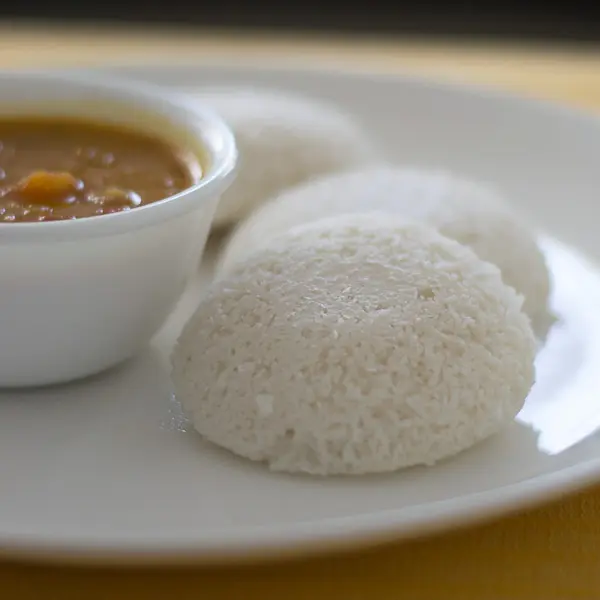
This is one of the most requested recipe in Kannamma Cooks.
I have already shared the following recipes for making idli batter using various techniques. Best Method – Idli batter made in wet grinder Making easy idlies – Idli batter made using idli rava
Here is the video for making idli.
The ingredients for making this batter is very similar to this recipe. I strongly suggest you read that before you proceed with this recipe. I have explained each ingredient in detail in that post. The ingredients remain the same for this recipe too but with one addition. We use the addition of poha / avalakki in this recipe which makes the idlies softer in this mixie method. Here is how to do idli batter using a mixie/blender. Measurements used 1 cup = 250 ml , 1 tablespoon = 15 ml Wash all the ingredients separately in running water for 2-3 times. Soak Fenugreek Seeds (vendhayam) , Whole white Urad Dal and Idly Rice separately in lots of water for a minimum of 3-4 hours. Soak the poha/avalakki in 2 cups of water.
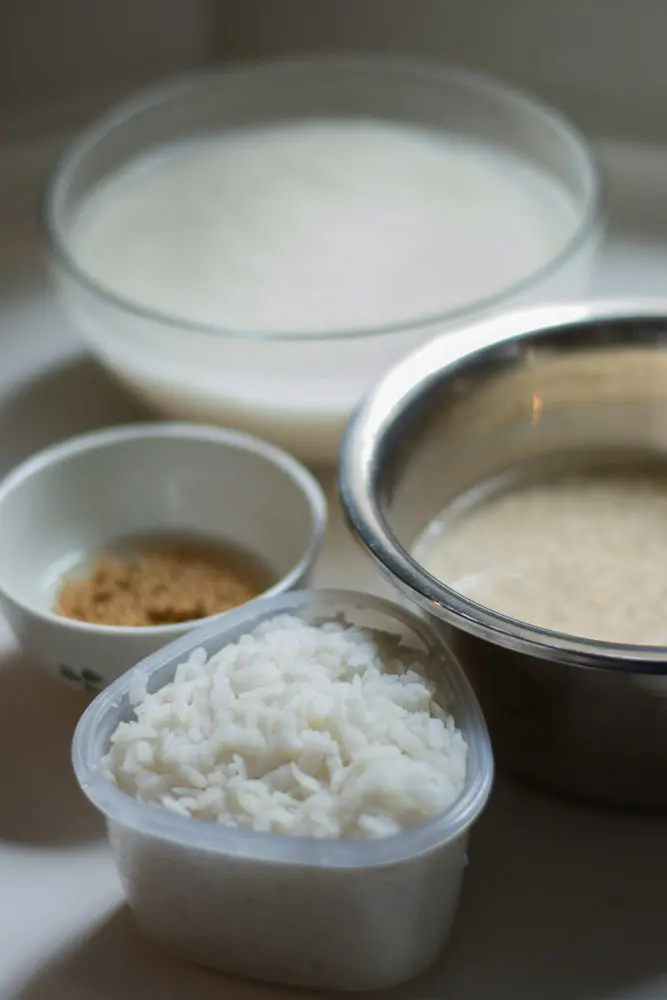
Grind the soaked and drained fenugreek seeds along with the soaked poha/avalakki (it would have puffed up by now). No need to drain the water from poha. Add a cup of water and grind for 3 minutes until the seeds and poha are finely ground and have fluffed up. Remove the ground poha mixture and empty it into a big vessel.

Now comes the tricky ingredient called urad dal! The mixie / blender was making the urad dal hot when ground. While warmth encourages the growth of the bacteria, heat kills it. A very hot environment can make the batter sour too soon and the taste will not be good. Fermentation of Idli batter is carried out largely by lactic acid bacteria. Not yeast. There are two kinds of lactic acid bacteria. Homofermentive and heterofermentive. Homofermentive lactic acid bacteria produces only lactic acid. Heterofermentive bacteria – the Idli bacteria (Leuconostoc mesenteroides) produces carbon dioxide in addition to lactic acid.
So for good Idli, we need the rise of batter (CO2 effect) and also souring of the batter. If the batter is too hot at the beginning, it gets fermented too soon and the resulting Idlies might not be very soft. Also the Idlies may be good for the first day but hard on the second day. So we use ice water for grinding the urad dal so the dal doesnt get heated up when ground. Lets now grind the urad dal.
Now, add the drained urad dal in the mixie. Add in a cup of ice water . Grind for 3 minutes till the urad dal is perfectly smooth. We use ice water so as to keep the dal from heating up in the mixie. Remove the ground urad dal mixture and add it to the vessel.

Now grind the drained rice in 3-4 batches. Add upto 1.5 cups of water while grinding. Remove the ground rice mixture and add it to the vessel.

Add in the salt and mix the batter well with hands.

I marked the below orange tape to show you how much the batter ferments. Let the batter sit in a warm place. If the place where you live is cold, I have some tips to accelerate the fermentation. Keep the batter inside a cup board or a shelf or some place warm. Insulate the vessel with a warm heavy blanket. That will keep the vessel warm. If you have a small room heater, keep it running near the shelf where you place the batter. if you don’t have a heater, buy a small table lamp and leave it running near the idli batter vessel. You just need to make sure that the batter is kept warm.

Allow the batter to ferment for 8-10 hours. As you can see, I wrapped the idli batter container in a blanket to make sure that its warm as its been cold in the place where I live. I also left a table lamp inside the shelf switched on. Once the batter is fermented, it would have doubled in volume. Mix the idli batter well and store it in the refrigerator and use it within the next 3 days.

Lets make some idly now! Put some water in an idly vessel and put it on medium flame. Oil the idli plate and gently fill the rounds with the batter. Put it inside the idly vessel and let it steam for 6-7 minutes. The key to good idlis – Do not allow it to over cook. It might become hard and dry. Just keep an eye and remove the idlis after 6-7 minutes. Do not remove the idlis immediately. It might stick. Leave it undisturbed for 4-5 minutes and then spoon it out. Serve hot with your favorite chutney and sambar.
The one common comment I get from a lot of readers is that, their idlies did not rise and the idlies were flat. The main reason is watery or runny batter. Watery batter will not rise and the idlies will be hard and flat. So use caution while grinding and do not add too much water while grinding. The batter will thin out a little after fermentation. So a BIG CAUTION on using water. Please use correct measurements as mentioned in the recipe.

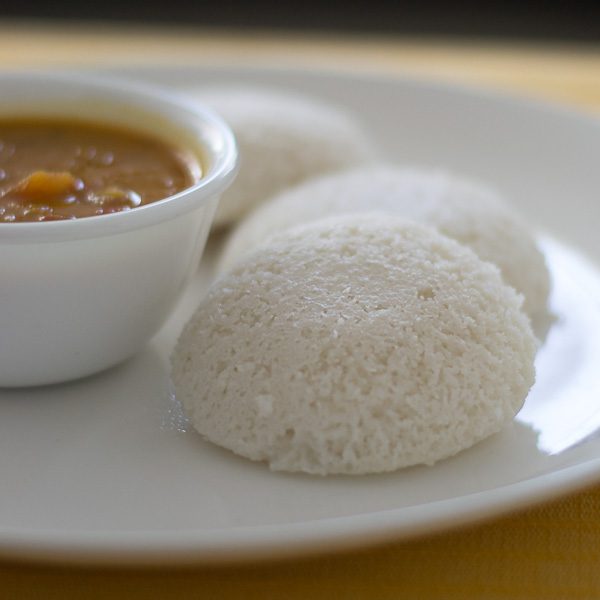
- 1 1/4 Cups Urad Dal
- 4 Cups Idly Rice ( 1 liter)
- 1 cup thick poha / avalakki
- 1 tablespoon Fenugreek seeds (Vendhayam)
- 2 tablespoon Salt
- Soak all the ingredients except salt in lots of water. Soak the ingredients separately.
- Grind the soaked and drained fenugreek seeds along with the soaked poha/avalakki . Add a cup of water and grind for 3 minutes until the seeds and poha are finely ground and have fluffed up. Remove the ground poha mixture and empty it into a big vessel.
- Now, add the drained urad dal in the mixie. Add in a cup of ice water. Grind for 3 minutes till the urad dal is perfectly smooth. Remove the ground urad dal mixture and add it to the vessel.
- Now grind the drained rice in 3-4 batches. Add upto 1.5 cups of water while grinding. Remove the ground rice mixture and add it to the vessel.
- Add in the salt and mix the batter well with hands. Let the batter sit in a warm place. Allow the batter to ferment for 8-10 hours. Once fermented, mix well and store it in the refrigerator.
- Author: Kannamma - Suguna Vinodh
- Prep Time: 12 hours
- Cook Time: 15 mins
- Category: Main Dish
- Cuisine: Tamilnadu

