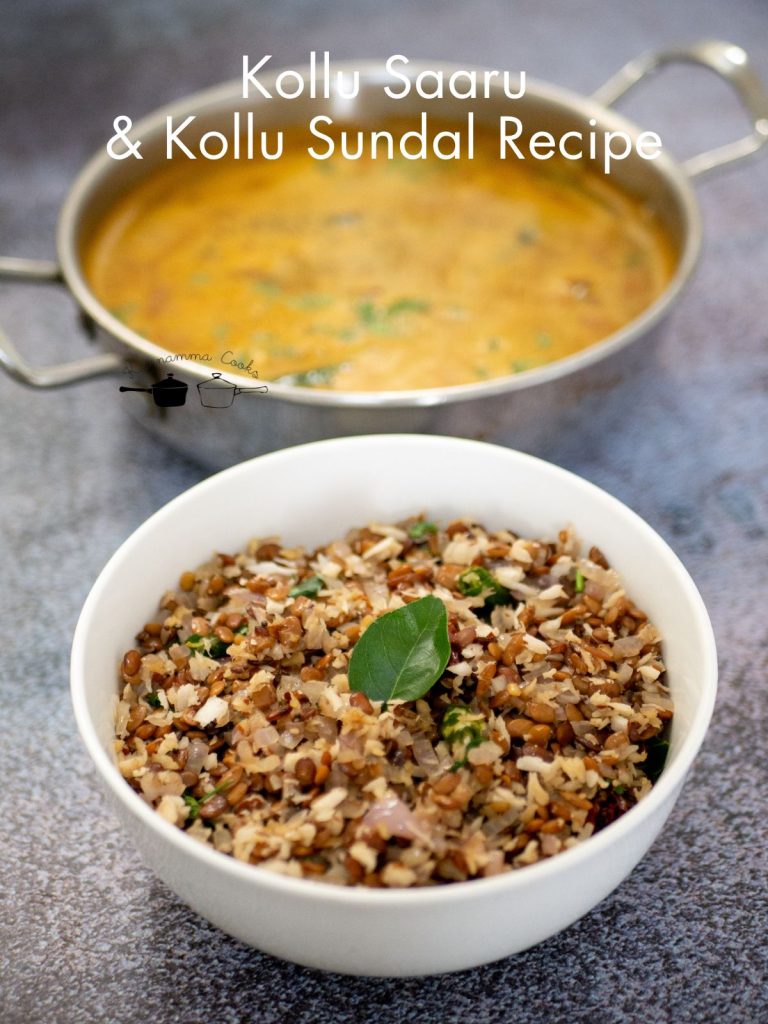
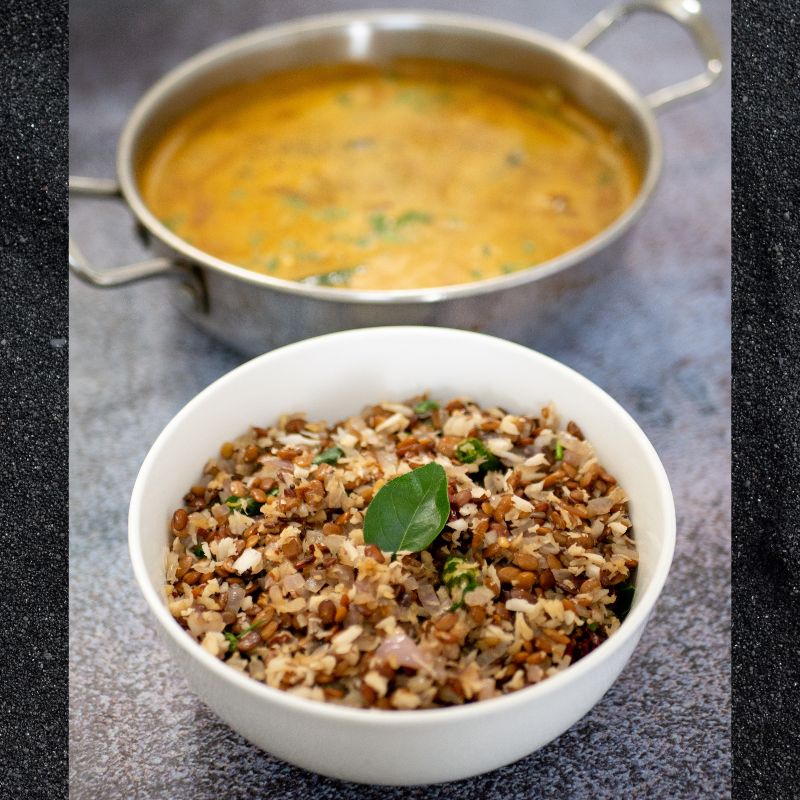
Here is a two-in-one recipe featuring horsegram, also known as kollu. Horsegram holds significant agricultural and cultural importance in the Kongu region. It is renowned for its drought tolerance, making it a crucial crop in the area. Commonly used as a rotational crop, horsegram is generally soaked and cooked in water until it become soft and tender. The resulting broth is highly flavorful and utilized to prepare a rasam / saaru, while the cooked horsegram is transformed into a sundal, a delightful stir-fry dish. To enhance the taste and richness of the kollu saaru, a homemade roasted masala paste, packed with flavors of garlic, black pepper, and spices, is added. The combination results in robust flavors and is typically served with ragi kali or rice. I hope you enjoy this recipe.
Here are the things you can buy online for making this recipe Triply Frying Pan 26 CM with SS Lid https://amzn.to/3NP3tk9 3 Liter Stainless Pressure Cooker https://amzn.to/3rxv6D4 Heavy Duty Indian Mixie https://amzn.to/3GptNKD
Here is the video of how to make Kollu Saaru and Kollu Sundal Recipe
For cooking the horsegram**
1/2 cup horsegram 2 tomatoes 2 cups water 1/2 teaspoon castor oil
For making the sundal
2 teaspoon coconut oil 1/4 teaspoon split white urad dal 1/4 teaspoon cumin seeds 1/4 teaspoon mustard seeds 1 dried red chilli, broken 2 green chillies, chopped 1/2 teaspoon ginger, finely chopped 1 sprig curry leaves 1/2 cup onion, finely chopped 1/2 teaspoon salt 1/4 cup fresh shredded coconut 2 sprigs coriander leaves, chopped cooked lentils from above**
For making kollu saaru masala
2 teaspoon coconut oil 1/4 teaspoon cumin seeds 3 cloves garlic, chopped 1 sprig curry leaves 2 dried red chillies 1 teaspoon black pepper 1/4 inch piece tamarind 2 tablespoon fresh shredded coconut 1/4 teaspoon turmeric powder 1 sprig coriander leaves 2 tablespoon cooked lentils from above** cooked tomatoes from above** 1/2 cup water to grind
For making kollu saaru
1 teaspoon coconut oil 1/4 teaspoon cumin seeds 1/4 teaspoon mustard seeds 1 sprig curry leaves 2 dried red chillies 1.5 cups water 1 teaspoon salt 2 sprigs coriander leaves, chopped Horsegram broth from above**
Cooking Horsegram
When cooking horsegram, it’s important to be aware that sometimes small stones can be found in the beans. To begin, spread the horsegram on a plate and remove any dirt that may be present. Then, wash the horsegram thoroughly and soak it for at least 30 minutes. If you have the time, you can choose to soak it for an hour.
Once the soaking is complete, drain the water from the horsegram and transfer it to a pressure cooker. Add a couple of tomatoes, 2 cups water to cook the horsegram, and a small amount of oil. Castor oil is recommended for achieving a soft and tender consistency, but if you don’t have it, you can omit it or use any vegetable oil of your preference. Cover the pressure cooker and cook for 12 minutes, disregarding the number of whistles. Afterward, remove the cooker from the heat and allow the pressure to settle naturally. Open the cooker and remove the tomatoes, discard the tomato skins, and set them aside. Drain the broth and also set it aside.
Note
The broth, tomatoes, and a small portion of the cooked horsegram will be used for making saaru/rasam, while the remaining cooked horsegram will be used for making sundal.
Sundal
To cook the sundal, heat oil in a pan and add urad dal, cumin seeds, and mustard seeds. Let the mustard seeds crackle. Add dry red chillies, green chillies, chopped ginger, and curry leaves. Stir for a moment, and then add the chopped onions. Sauté for a few minutes until the onions are soft. Next, add the cooked horsegram, salt, and freshly shredded coconut. Mix everything together well and cook for a minute. Finally, sprinkle a generous amount of coriander leaves over the sundal to finish.
Saaru
For the saaru, heat oil in a pan and add cumin seeds and chopped garlic. Add the curry leaves, dry red chillies, black pepper, and a small piece of tamarind. Roast briefly and then add a couple of tablespoons of the cooked horsegram to thicken the saaru. Add the cooked tomatoes (skin removed), a little coconut, turmeric powder, and some coriander leaves. Cook for a minute, then remove from heat and set it aside to cool. Grind this mixture with a little water to create a coarse paste, which will serve as our saaru masala.
Now, let’s temper the rasam. Heat oil in a pan and add cumin seeds, mustard seeds, curry leaves, and dried red chillies. Allow the mustard seeds to crackle. Add the horsegram broth and the ground masala paste. Rinse the mixie with 1.5 cups of water and add it to the pan. Season with salt, and taste and adjust the seasoning if necessary. Bring the saaru to a boil, and finish by sprinkling a generous amount of coriander leaves over it.
To serve, enjoy the sundal and saaru with ragi kali or white rice.
- Author: Suguna Vinodh
- Prep Time: 30m
- Cook Time: 30m
For cooking the horsegram**
1/2 cup horsegram 2 tomatoes 2 cups water 1/2 teaspoon castor oil
For making the sundal
2 teaspoon coconut oil 1/4 teaspoon split white urad dal 1/4 teaspoon cumin seeds 1/4 teaspoon mustard seeds 1 dried red chilli, broken 2 green chillies, chopped 1/2 teaspoon ginger, finely chopped 1 sprig curry leaves 1/2 cup onion, finely chopped 1/2 teaspoon salt 1/4 cup fresh shredded coconut 2 sprigs coriander leaves, chopped cooked lentils from above**
For making kollu saaru masala
2 teaspoon coconut oil 1/4 teaspoon cumin seeds 3 cloves garlic, chopped 1 sprig curry leaves 2 dried red chillies 1 teaspoon black pepper 1/4 inch piece tamarind 2 tablespoon fresh shredded coconut 1/4 teaspoon turmeric powder 1 sprig coriander leaves 2 tablespoon cooked lentils from above** cooked tomatoes from above** 1/2 cup water to grind
For making kollu saaru
1 teaspoon coconut oil 1/4 teaspoon cumin seeds 1/4 teaspoon mustard seeds 1 sprig curry leaves 2 dried red chillies 1.5 cups water 1 teaspoon salt 2 sprigs coriander leaves, chopped Horsegram broth from above**
Cooking Horsegram
When cooking horsegram, it’s important to be aware that sometimes small stones can be found in the beans. To begin, spread the horsegram on a plate and remove any dirt that may be present. Then, wash the horsegram thoroughly and soak it for at least 30 minutes. If you have the time, you can choose to soak it for an hour.
Once the soaking is complete, drain the water from the horsegram and transfer it to a pressure cooker. Add a couple of tomatoes, 2 cups water to cook the horsegram, and a small amount of oil. Castor oil is recommended for achieving a soft and tender consistency, but if you don’t have it, you can omit it or use any vegetable oil of your preference. Cover the pressure cooker and cook for 12 minutes, disregarding the number of whistles. Afterward, remove the cooker from the heat and allow the pressure to settle naturally. Open the cooker and remove the tomatoes, discard the tomato skins, and set them aside. Drain the broth and also set it aside.
Note
The broth, tomatoes, and a small portion of the cooked horsegram will be used for making saaru/rasam, while the remaining cooked horsegram will be used for making sundal.
Sundal
To cook the sundal, heat oil in a pan and add urad dal, cumin seeds, and mustard seeds. Let the mustard seeds crackle. Add dry red chillies, green chillies, chopped ginger, and curry leaves. Stir for a moment, and then add the chopped onions. Sauté for a few minutes until the onions are soft. Next, add the cooked horsegram, salt, and freshly shredded coconut. Mix everything together well and cook for a minute. Finally, sprinkle a generous amount of coriander leaves over the sundal to finish.
Saaru
For the saaru, heat oil in a pan and add cumin seeds and chopped garlic. Add the curry leaves, dry red chillies, black pepper, and a small piece of tamarind. Roast briefly and then add a couple of tablespoons of the cooked horsegram to thicken the saaru. Add the cooked tomatoes (skin removed), a little coconut, turmeric powder, and some coriander leaves. Cook for a minute, then remove from heat and set it aside to cool. Grind this mixture with a little water to create a coarse paste, which will serve as our saaru masala.
Now, let’s temper the rasam. Heat oil in a pan and add cumin seeds, mustard seeds, curry leaves, and dried red chillies. Allow the mustard seeds to crackle. Add the horsegram broth and the ground masala paste. Rinse the mixie with 1.5 cups of water and add it to the pan. Season with salt, and taste and adjust the seasoning if necessary. Bring the saaru to a boil, and finish by sprinkling a generous amount of coriander leaves over it.
To serve, enjoy the sundal and saaru with ragi kali or white rice.
- Author: Suguna Vinodh
- Prep Time: 30m
- Cook Time: 30m
Find it online : https://www.kannammacooks.com/kollu-saaru-and-sundal/
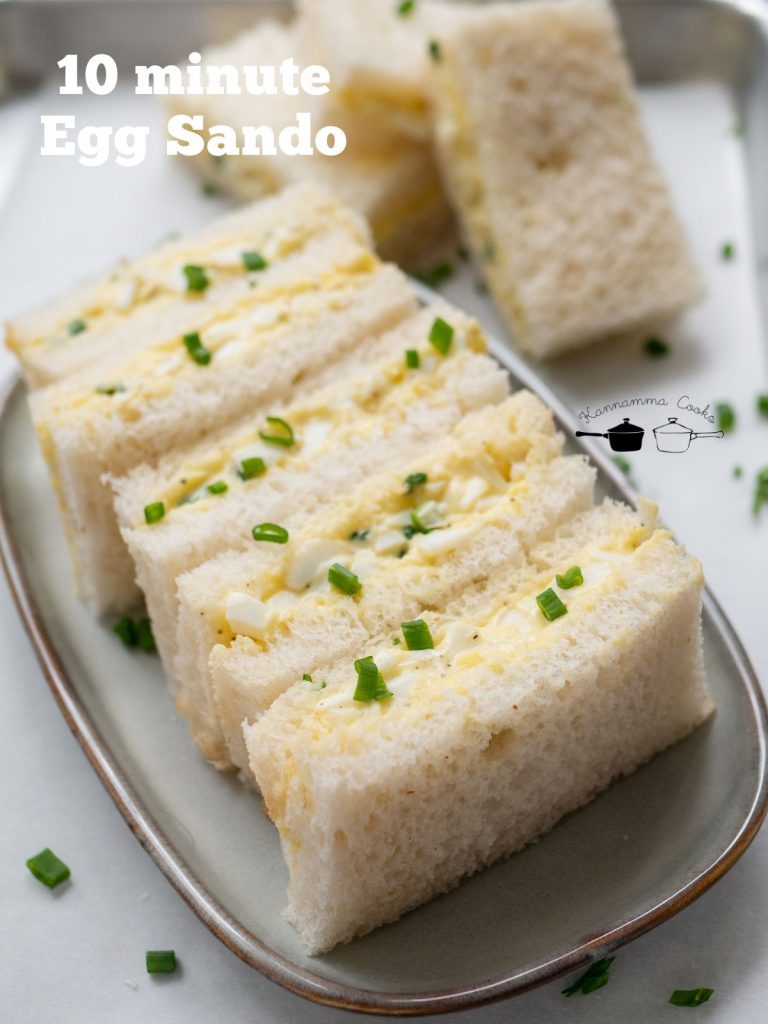
Easy Egg sando recipe that can be put together in less than 10 minutes and has less than 10 ingredients. Perfect after school snack recipe.
The first time I tried an egg sando was during my time in Hong Kong. The Convenience stores like Seven Eleven and coffee shops had some great quick bites. The fish balls, sando, egg waffles and tuna sandwiches were all my favorites. This recipe is incredibly simple to recreate at home and takes less than 10 minutes, especially if you already have hard-boiled eggs on hand. Feel free to personalize this recipe by adding additional seasonings or making it spicy with chili flakes or hot sauce. It’s the perfect after-school snack!
Here is the video of how to make Egg Sando Recipe | Easy 10 minute Egg Sandwich Recipe | Quick After-School Snack Recipe
3 hard-boiled eggs 1.5 tablespoons of mayonnaise 1 tablespoon of milk 1/4 teaspoon of salt 1/4 teaspoon of cracked black pepper 2 tablespoons of chopped spring onions 6 slices of soft bread 3 teaspoons of salted butter
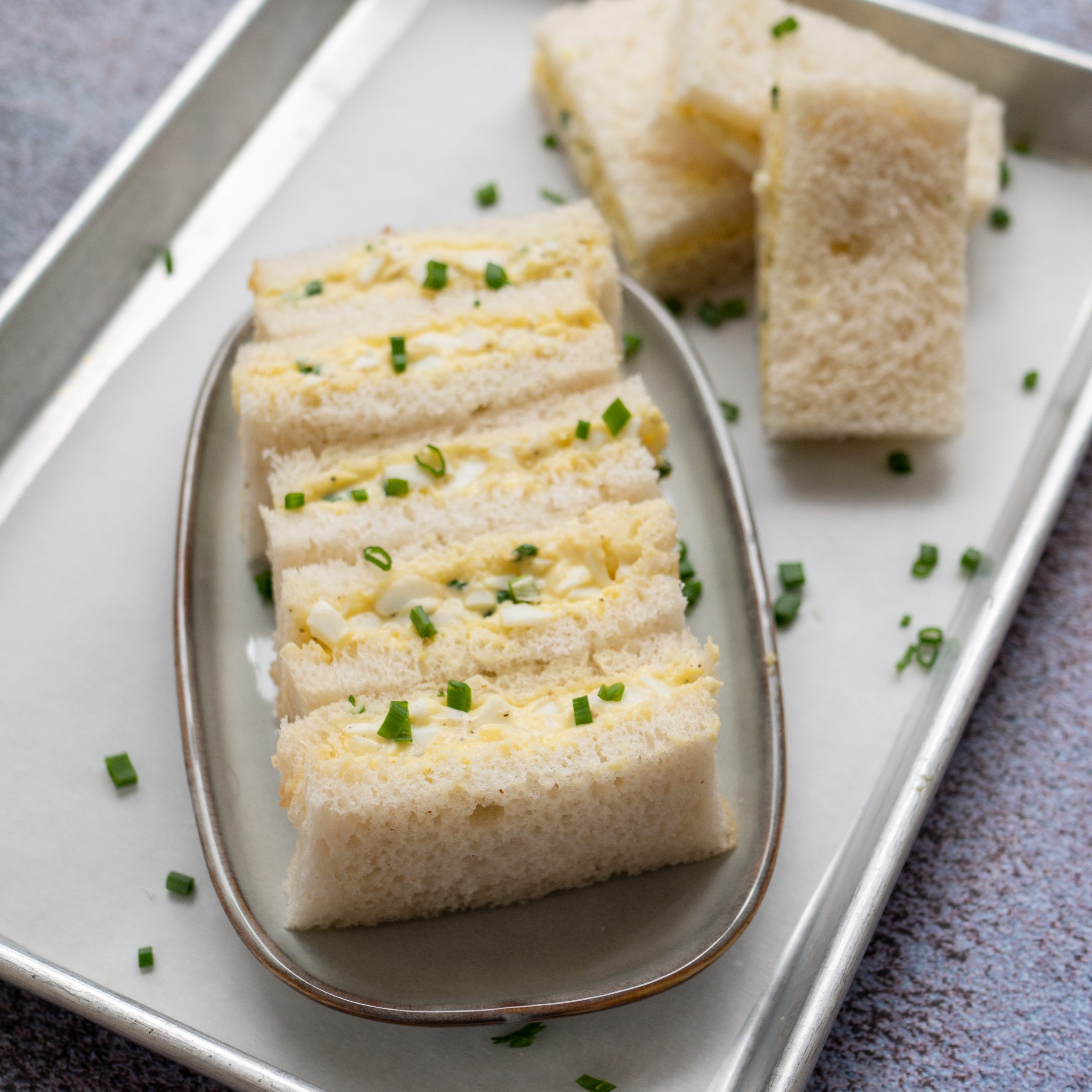
Cut the hard-boiled eggs in half and separate the yolks. Place the yolks in a bowl and set them aside. To the yolks, add the mayonnaise, milk, salt, and black pepper. Mix well until a paste forms. Chop the egg whites into small pieces and add them to the yolk mixture. Also, add the chopped spring onions. Mix everything well to combine. Your filling is now ready. Remove the crusts from the bread slices and spread a little butter on each slice. Take a generous scoop of the filling and spread it evenly on one slice of bread. Place another buttered bread slice on top. Slice the sandwich in half and serve.
- Author: Suguna Vinodh
- Prep Time: 10m
