
Learning to cook is often less about “talent” and more about repetition, feedback, and good decision-making under time pressure. That is exactly where AI can be useful: not as a replacement for skill, but as a structured coach that helps you plan, practice, and improve with fewer wasted ingredients and fewer “I have no idea what went wrong” moments.
This guide explains (1) practical ways to use AI to build cooking skills and (2) how to create a dedicated culinary partner character using the https://joi.com/generate/character , step by step, so you have a consistent teaching style, clear goals, and a predictable workflow every time you enter the kitchen.
Part 1: How AI Helps You Learn Cooking (In a Practical, Skill-Building Way)
AI is most helpful when it supports the same learning loop used in professional training:
- Choose a narrow skill
- Practice with clear constraints
- Get feedback
- Repeat with small upgrades
Below are the highest-value ways to apply AI to that loop.
1) Build a Personalized Learning Plan
Instead of trying random recipes, use AI to create a progression (like a curriculum). For example:
- Week 1: knife basics, sautéing, boiling grains
- Week 2: pan sauces, roasting vegetables, seasoning strategy
- Week 3: proteins and doneness, timing multiple components
- Week 4: plating, texture contrast, “clean-out-the-fridge” cooking
Ask for a plan that matches your reality: time limits, budget, equipment, dietary needs, and how many people you cook for. The best plans focus on repeatable techniques , not just “cool dishes.”
2) Translate Recipes Into Clear Procedures
Many recipes assume knowledge you do not yet have (“cook until done,” “season to taste,” “medium heat,” etc.). AI can rewrite a recipe into:
- a checklist
- precise steps with “what to look for”
- common failure points and fixes
- timing cues (what you should do while something cooks)
This is especially effective for beginners because it reduces uncertainty. Less uncertainty means more consistent results, which means faster learning.
3) Create Smart Substitutions Without Guesswork
Cooking skill includes knowing what changes are safe and what changes break a dish. AI can propose substitutions based on function:
- Acid (lemon, vinegar, yogurt)
- Fat (butter, olive oil, coconut milk)
- Thickener (flour, cornstarch, reduction)
- Aromatics (garlic, onion, ginger, herbs)
You can also ask for “substitutions that keep the dish beginner-friendly” to avoid complex techniques.
4) Improve Technique Through “Diagnostics”
If something turns out wrong, a useful AI prompt is not “why did it fail?” but:
- What exactly happened (too salty, too dry, not browned, bland, watery)?
- What pan did you use, how much heat, how long, and what ingredients?
AI can narrow the likely causes and give you next steps (“use a wider pan,” “dry the surface,” “preheat longer,” “salt earlier,” “reduce longer,” etc.). This turns mistakes into targeted practice.
5) Add Food Safety Structure
AI can help you build safe habits: clean workflow, cross-contamination avoidance, storage rules, and doneness checks. For example, it can give you a “safe chicken workflow” or a “leftover cooling checklist.” When in doubt, verify critical safety details with authoritative sources, but using AI to structure your routine is still valuable.
Part 2: Creating a Culinary Partner Character in Joi (Step-by-Step)
A general AI chat can help, but a purpose-built culinary character is better for skill-building because it stays consistent: same teaching method, same assumptions about your kitchen, and the same standards for feedback.
Below is a practical process for setting up a culinary partner character using the Joi Character Generator .
Step 1: Define the Character’s Job (One Sentence)
Be specific. Examples:
- “A patient culinary instructor who teaches fundamentals through short practice sessions.”
- “A meal-prep strategist who helps me cook healthy dinners in 30 minutes.”
- “A technique coach who improves my seasoning, timing, and consistency.”
This sentence becomes your anchor. If you make the character “do everything,” it will do nothing well.
Step 2: Choose a Teaching Style and Rules
Good instructors follow rules. Decide what you want:
- Tone: formal, calm, encouraging, direct
- Method: explain-then-practice, or guided questions, or strict checklists
- Response format: numbered steps, time estimates, “look-for cues,” and quick troubleshooting
- Boundaries: no vague instructions; always define heat levels, pan size, and doneness cues
Example rule set (highly recommended):
- “Always ask what equipment I have before giving specialized steps.”
- “Always provide a timing plan.”
- “Always give one ‘common mistake’ warning per step.”
Step 3: Set the Skill Level and Constraints
This prevents unrealistic advice. Add details like:
- your cooking level (beginner/intermediate)
- available tools (oven? air fryer? thermometer?)
- budget limits
- dietary preferences
- time per session (15, 30, 60 minutes)
A character that knows your constraints will produce far better guidance.
Step 4: Write the Character Profile (Use Practical, Observable Traits)
In the generator, you will typically add a description. Focus on behaviors:
- “Explains why a step matters in one sentence.”
- “Uses short paragraphs and numbered instructions.”
- “Treats mistakes as data and suggests one correction at a time.”
- “Prioritizes safety and basic technique.”
Avoid vague traits like “smart” or “fun.” Make it operational.
Step 5: Add Core Knowledge Areas
List the domains your character should be strong in:
- basic techniques: sauté, roast, boil, simmer, sear
- seasoning logic: salt/acid/fat/heat balance
- timing and multitasking
- substitutions by function
- beginner-friendly meal planning
- food safety routines
This helps the character stay focused and “on-mission.”
Step 6: Create a “Session Template” (So Every Chat Is Structured)
Give your culinary partner a default session flow, such as:
- Goal check: “What are we cooking and what skill are we practicing?”
- Inventory: “What ingredients and equipment do you have?”
- Plan: “Here is the timeline and station setup.”
- Cook mode: short steps + cues
- Debrief: what went well, what to adjust next time
When you always follow the same template, your progress accelerates.
Step 7: Add Sample Dialogue (This Is a Major Quality Booster)
Provide 2–3 short examples that show the exact style you want. For instance:
- User: “I want to learn sautéing.” Character: “Confirm your pan type and stove. We’ll practice heat control using onions in 10 minutes. Step 1…”
- User: “My sauce is watery.” Character: “Two likely causes: too much liquid or insufficient reduction. Tell me your pan width and cooking time. Meanwhile, simmer uncovered…”
Step 8: Test and Iterate in Three Short Runs
After creating the character, run these three tests:
- Beginner dinner test: “Create a 25-minute dinner using chicken and vegetables.”
- Technique test: “Teach me searing without burning.”
- Troubleshooting test: “My vegetables are soggy—diagnose.”
If the character gives vague advice, update the rules: require cues, require a timeline, require a “common mistakes” note.
How to Use Your Culinary Partner Character Day-to-Day
A simple routine works best:
- Before cooking (3 minutes): choose one skill + one dish
- During cooking: follow numbered steps and report what you see (color, smell, texture)
- After cooking (2 minutes): request a short debrief and one improvement target
Over time, you will notice something important: you stop needing full recipes and start cooking by principles —which is the real definition of learning to cook.
AI becomes genuinely useful in the kitchen when it is consistent, structured, and tied to practice. By creating a dedicated culinary partner character in Joi with clear rules and a stable teaching method, you turn “random cooking attempts” into a repeatable training system—one that builds competence week by week.
If you want, I can also generate a ready-to-paste character profile (name, description, rules, knowledge areas, and sample dialogue) in a formal style, so you can copy it directly into the Joi Character Generator.
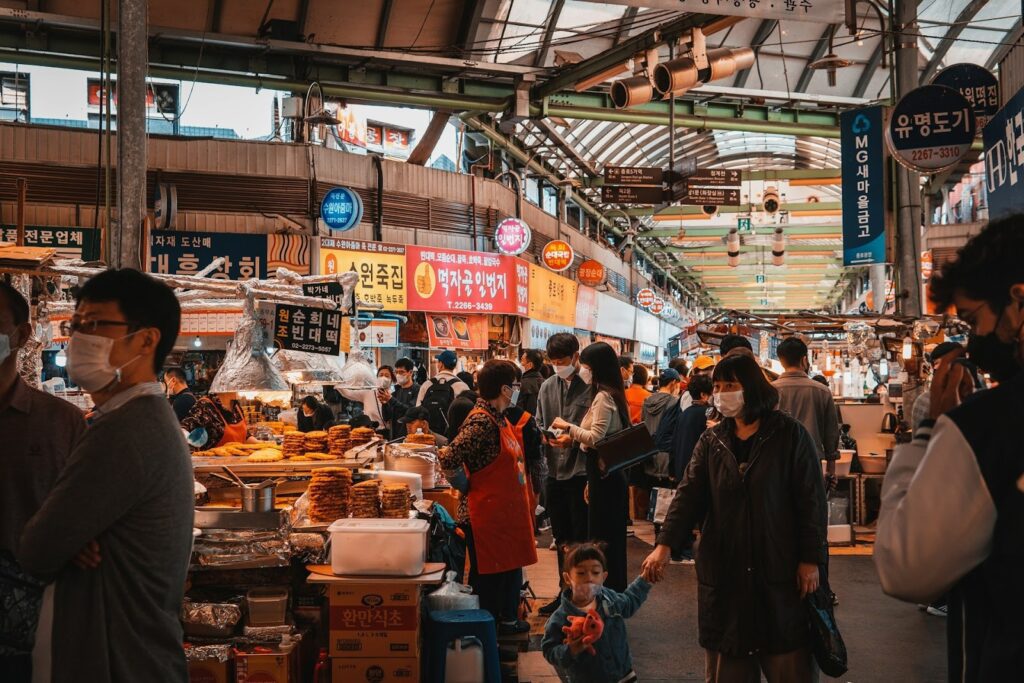
Korean street markets have become one of the most powerful forces driving global food tourism, attracting travelers who crave authentic flavors, immersive cultural experiences, and a sense of discovery that no restaurant can fully replicate. Just as travelers search for meaningful experiences, others also look up Pusoy to explore cultural versions of familiar games, proving how curiosity drives cross-cultural interest in many forms. Today, these vibrant markets are not just places to eat—they’re living cultural landmarks reshaping the way the world experiences Korean cuisine.
Why Korean Street Markets Capture Global Attention
Food tourism thrives on immersion, and no destination offers that better than Korea’s traditional markets. Places like Gwangjang Market, Namdaemun Market, and Jagalchi Market have evolved beyond simple commercial hubs. They’re now culinary hotspots blending tradition, innovation, and accessibility. As Korea’s global cultural influence continues to grow through music, fashion, and entertainment, its food scene has naturally followed, bringing more travelers to these lively markets.
Social media also plays a major role. Platforms like TikTok and YouTube overflow with street food clips highlighting freshly made tteokbokki, bindaetteok, hotteok, and gimbap. These short videos drive tourists to visit the exact vendors they watch online, turning markets into must-see destinations.
The Power of Authenticity in a Modern Travel Landscape
Modern travelers value authenticity more than ever. Unlike polished restaurants, street markets offer raw, unfiltered experiences that capture the true essence of Korean daily life. This authenticity becomes a magnet for food enthusiasts who want to connect with local culture in a direct way.
Visitors can watch vendors prepare dishes from scratch, observe traditional cooking methods passed down for generations, and interact with locals who represent the heart of Korean cuisine. Whether it’s a grandmother flipping jeon or a seasoned vendor grilling octopus, these personal touches create lasting memories for tourists.
Innovation Blends With Tradition
While Korean street markets preserve culinary heritage, they are also hubs of innovation. Vendors continuously experiment with flavor combinations to keep up with evolving tastes—both local and international. Fusion dishes like cheese-topped tteokbokki, shrimp-filled hotteok, and Korean-Mexican wraps have emerged as modern favorites.
This ability to innovate helps markets stay relevant. Travelers don’t just come for tradition; they also come to witness how Koreans reinterpret their cuisine in exciting new ways. Markets become showcases of both history and creativity—a balance that fuels food tourism.
Affordability Makes the Experience Accessible
Another major reason Korean street markets are reshaping food tourism is their affordability. While dining in trendy restaurants or cafes can be expensive, markets provide high-quality meals at budget-friendly prices. This appeals to students, backpackers, families, and even locals.
For a few thousand won, travelers can enjoy multiple dishes in a single visit, allowing them to explore flavors without worrying about cost. This accessibility encourages more people to try a wider variety of Korean foods, deepening their cultural appreciation.
Street Markets as Social and Cultural Hubs
Food tourism isn’t just about food; it’s about the social atmosphere that surrounds it. Korean markets are especially known for their lively, community-driven environments. The noise, aroma, and energy create a sensory-rich space that draws people in.
Visitors often sit at communal tables, share dishes with strangers, and interact with vendors who tell stories behind their recipes. This connectivity enhances the experience, making it more than just a meal—it becomes a cultural exchange.
The Impact of K-Drama and Hallyu on Market Tourism
The global rise of Korean entertainment has elevated street markets into tourist icons. Many K-dramas feature scenes in markets, showcasing romantic meetups, comedic moments, or emotional storylines. Fans travel from around the world to visit these filming locations.
Markets like Gwangjang Market gained massive popularity after appearing in shows such as “Street Food: Asia” on Netflix. Exposure like this transforms local vendors into international stars and pushes tourism growth even further.
Supporting Local Economies and Small Businesses
Street markets are powered by small, often family-run businesses. The boom in food tourism directly supports these vendors, allowing them to sustain their livelihood and continue traditional cooking practices. Increased foot traffic revitalizes market districts, helping communities flourish.
Tourists benefit, too—they gain access to genuine cultural experiences while contributing to local growth. It’s a mutually beneficial cycle that strengthens Korea’s culinary tourism industry.
A Gateway to Regional Specialties
While Seoul’s markets get much of the attention, regional Korean markets play an equally important role in shaping food tourism. Cities like Busan, Jeonju, Daegu, and Gwangju offer culinary specialties that differ from those in the capital.
For example:
- Busan’s Jagalchi Market is famous for fresh seafood and raw fish dishes.
- Jeonju’s Nambu Market highlights the flavors behind its world-famous bibimbap.
- Gwangju’s 1913 Songjeong Market blends historic charm with modern food stalls.
These regional experiences encourage travelers to explore beyond Seoul, supporting nationwide tourism.
The Future of Food Tourism Through Korean Markets
As global interest in authentic cultural experiences grows, Korean street markets will continue shaping modern food tourism. With their mix of tradition, innovation, affordability, and social energy, they stand as one of Korea’s most impactful cultural exports.
The future likely includes enhanced digital support—translation apps, smart maps, QR-based menus—which will make markets even more accessible to visitors. But at their core, the charm of Korean street markets will always lie in their people, flavors, and stories.
