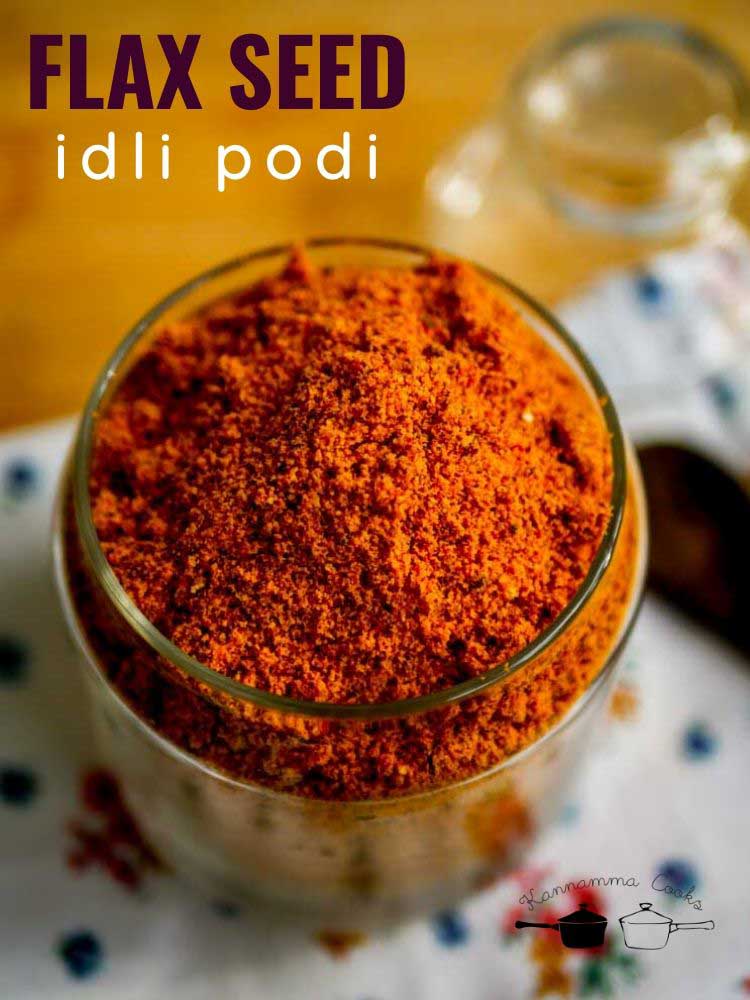
Recipe for homemade idli podi made with flax seeds. ஆளி விதை இட்லி பொடி. Flax seeds idli podi / Flax seeds chutney powder recipe. Recipe with step by step pictures and Video.
Idli podi time at the house again. Homemade idli podi is so delicious and tasty than the store bought ones. Once you make it at home, you will be hooked. The best thing about making anything at home is that you can adjust the recipe to what your family likes. Make this a monthly ritual and idli podi in the pantry is a perfect win all the time. I use it not only with idlis and dosas, but I also sprinkle to my poriyal (stir-fry). Its such a versatile ingredient.
Here is the video of how to do Flax seeds idli podi / Flax seeds chutney powder. Click on the video below.
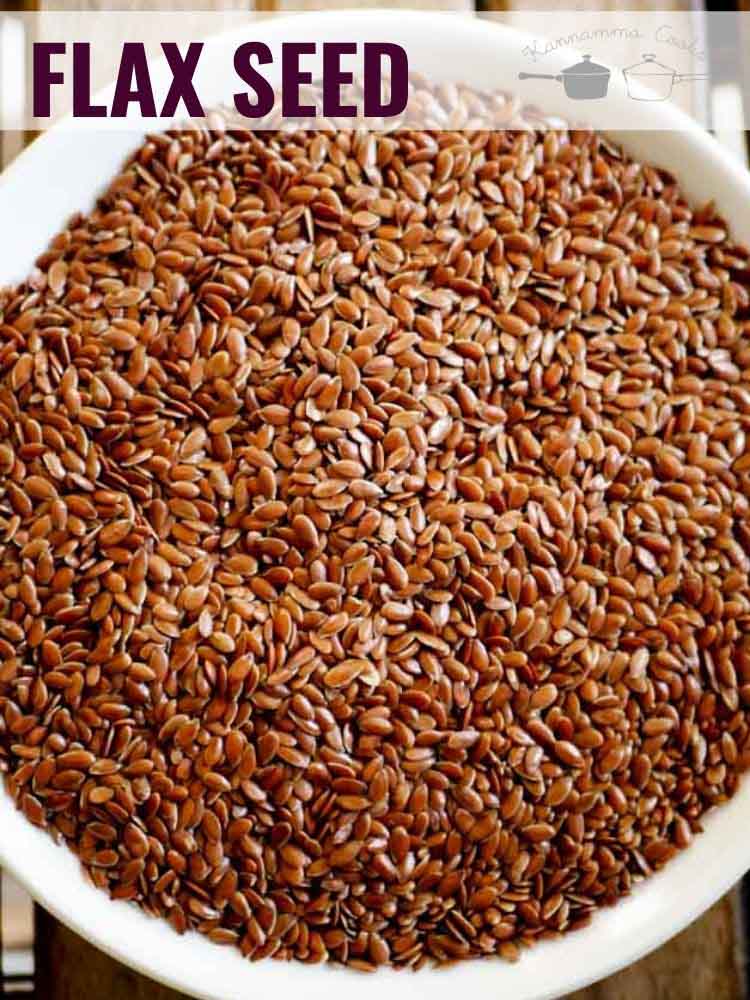
Flax seeds are one of the healthiest seeds out there. Its a rich source of omega-3 fatty acids (plant based) and B vitamins. They are good for improving the cholesterol numbers. Flax seeds are also high in lignans which is said to reduce cancer risk in adults.
Whenever I make idli podi, I also add sesame seeds. Sesame seeds are a very good source of calcium. Sesame seeds adds a very nutty flavour to the idli podi that I so love.
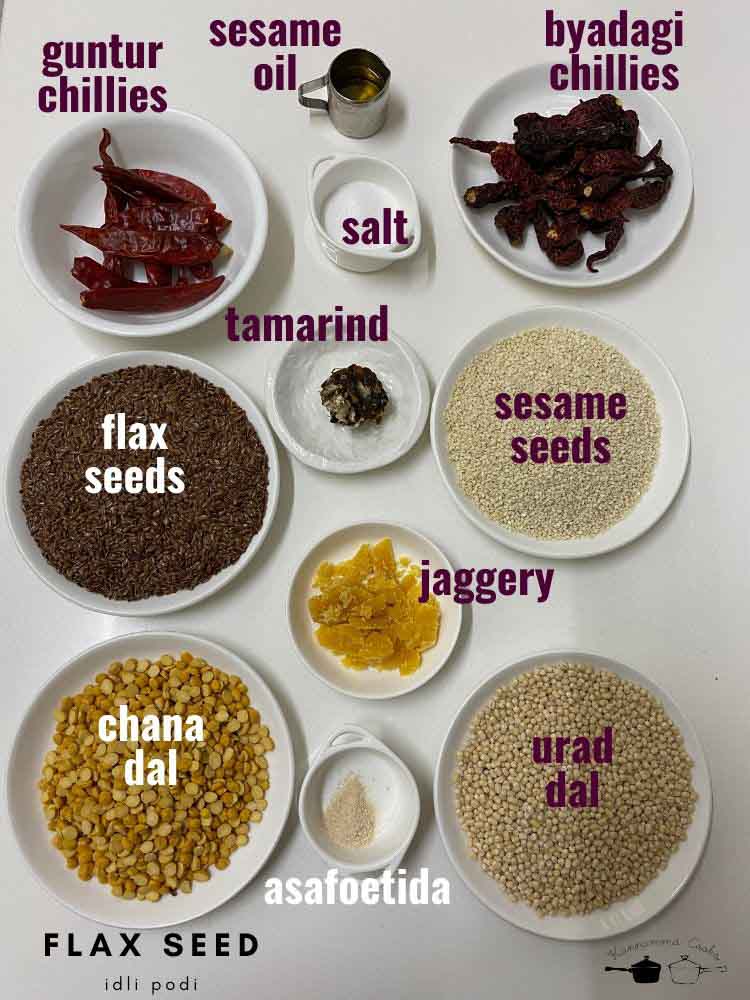
Here is how to do Flax seed idli podi – Flax seed Chutney Powder Recipe Here is what you will need.
We will be roasting the lentils and the seeds. Always roast the ingredients on a low flame and NEVER on a high flame . This is key to making flax seed idli podi or any lentil podi for that matter. The main thing with the flax seed chutney powder is the texture and it can be attained only by slow roasting. So patience is also an ingredient while making idli podi.
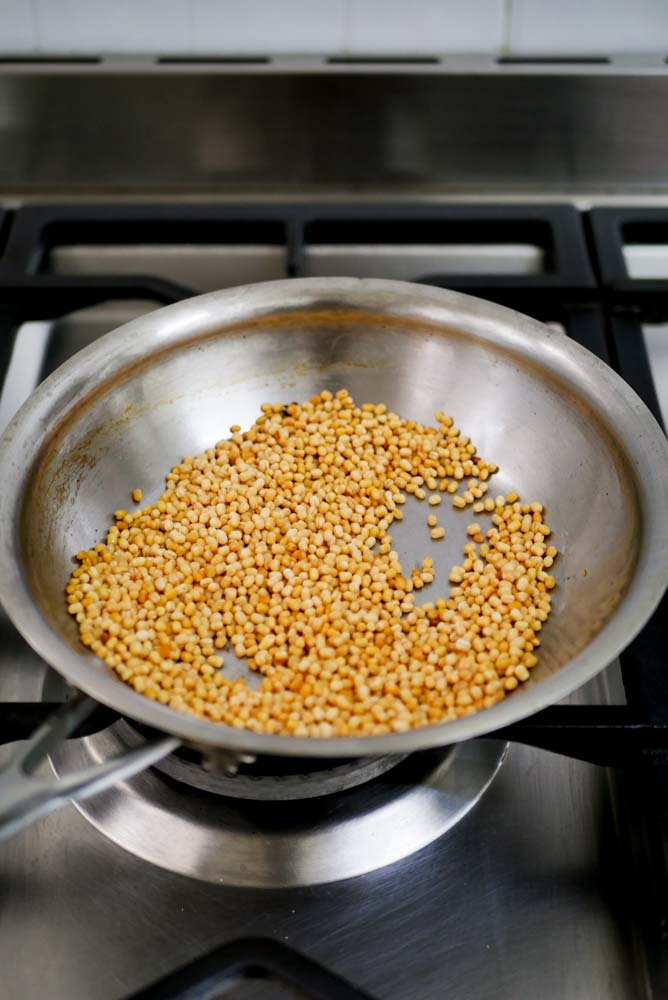
Add quarter teaspoon of Indian sesame oil and whole white unpolished urad dal. Use unpolished urad dal. Roast the lentil until it smells nutty and the dal turns color. It should be really golden in colour. Always roast on low flame. That is the key. Remove from the pan once the dal is golden. Set aside on a plate to cool.
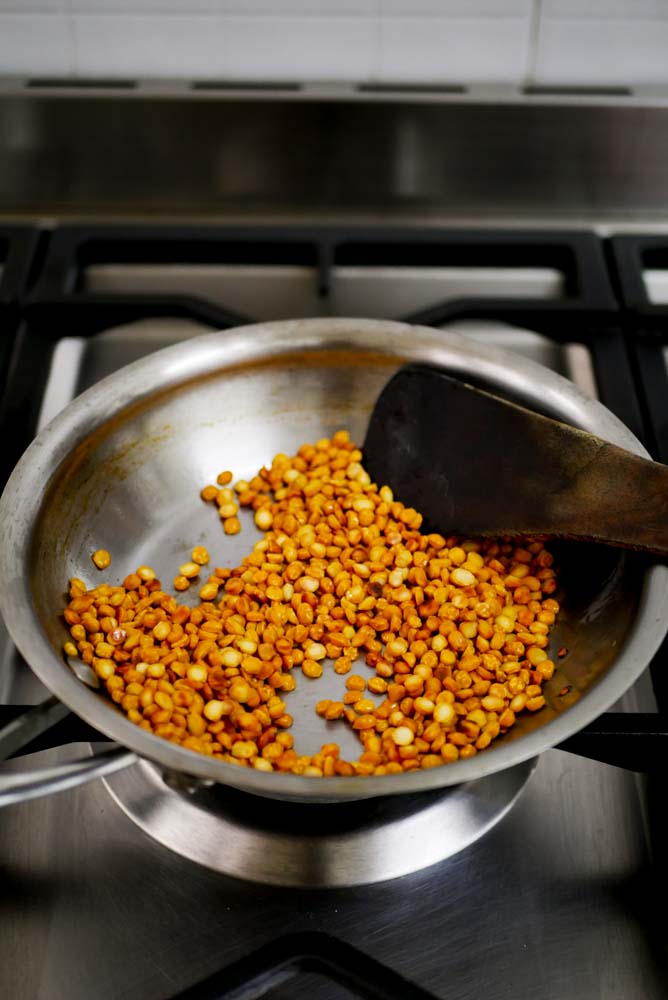
In the same pan and add in quarter teaspoon of Indian sesame oil and add chana dal (kadalai paruppu). Roast the chana dal in low flame until golden brown. Keep sauteing to avoid burning. Have patience and roast slow until the aroma comes and the dal turns color. If the dal gets burnt, the taste of the podi will be very bad. So all eyes on the pan all the time. Remove from the pan once the dal is golden. Set aside on a plate to cool.
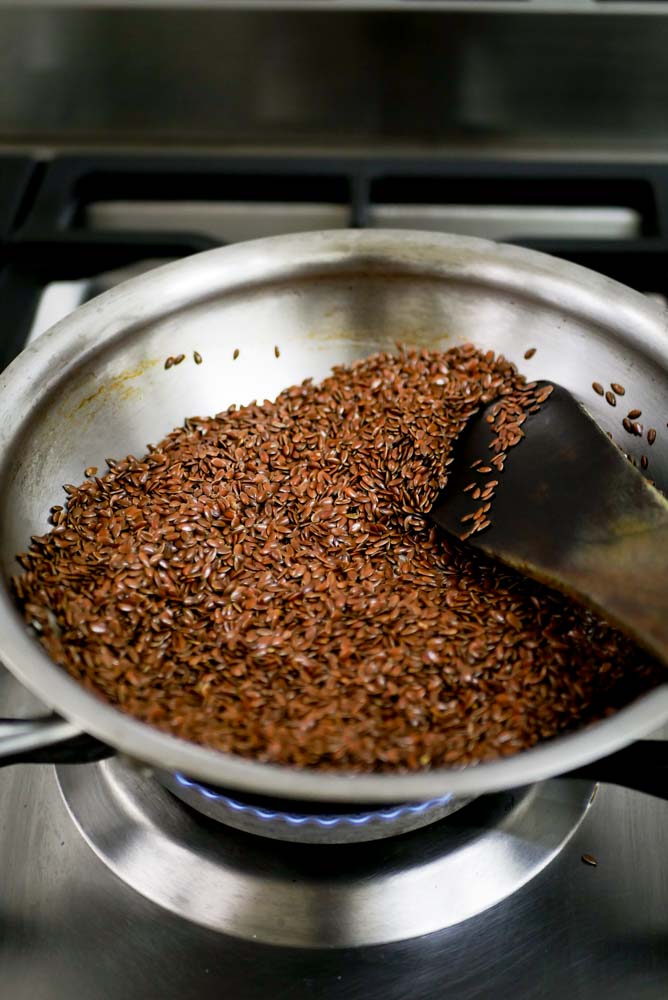
Add in the flax seeds to the pan and slow roast till the seeds start to crackle and make “sattu buttu” sound. That’s how people in my home call it. Set aside on a plate. Dry roasting will suffice. Flax seeds has a lot of essential oil.
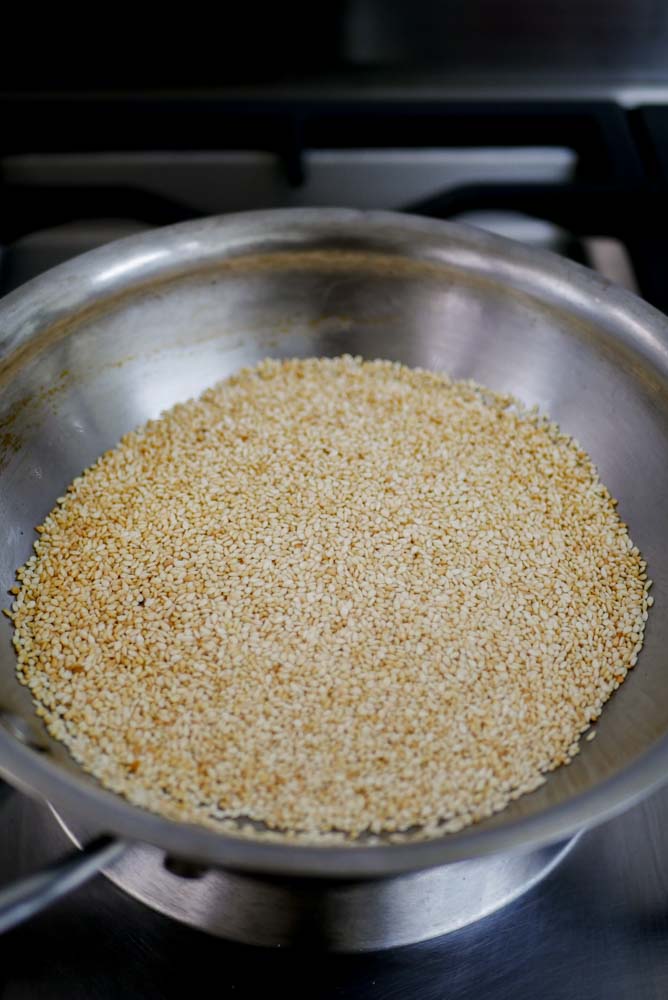
Place the pan back again on the stove and add in the sesame seeds. Dry roast on low flame till golden. Keep sauteing and spread the seeds on the pan evenly so the seeds doesn’t burn. Sesame seeds burn fast. So roast on low flame until it starts to pop. Remove the seeds from the pan and set aside on a separate plate to cool. Keep the roasted lentils and the seeds separately.
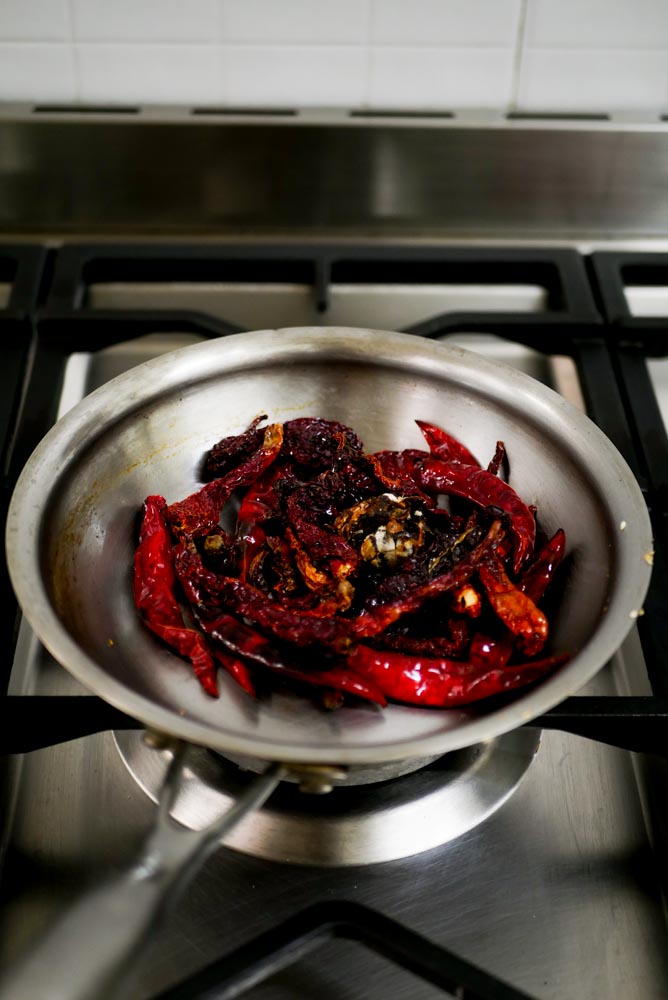
Add a little oil and roast the chillies and tamarind. I use a combination of the regular guntur chillies and my favorite byadagi chillies. The byadagi chillies are not hot. But they give a very nice colour to the podi. If you cannot get byadagi chillies, please substitute kashmiri red chillies. Also adjust the chillies according to the taste of your family.
The roasting is done. To the roasted ingredients, add in the salt, asafoetida and the jaggery. This recipe uses one leveled tablespoon of salt. At home, we like the slight, very faint sweetness that so well balances the tangy and spicy taste from the tamarind and the chillies. Jaggery is optional. Omit it if you don’t want to. You can also add less. Adapt the recipe to what your family likes. Not all families and their palettes are the same.
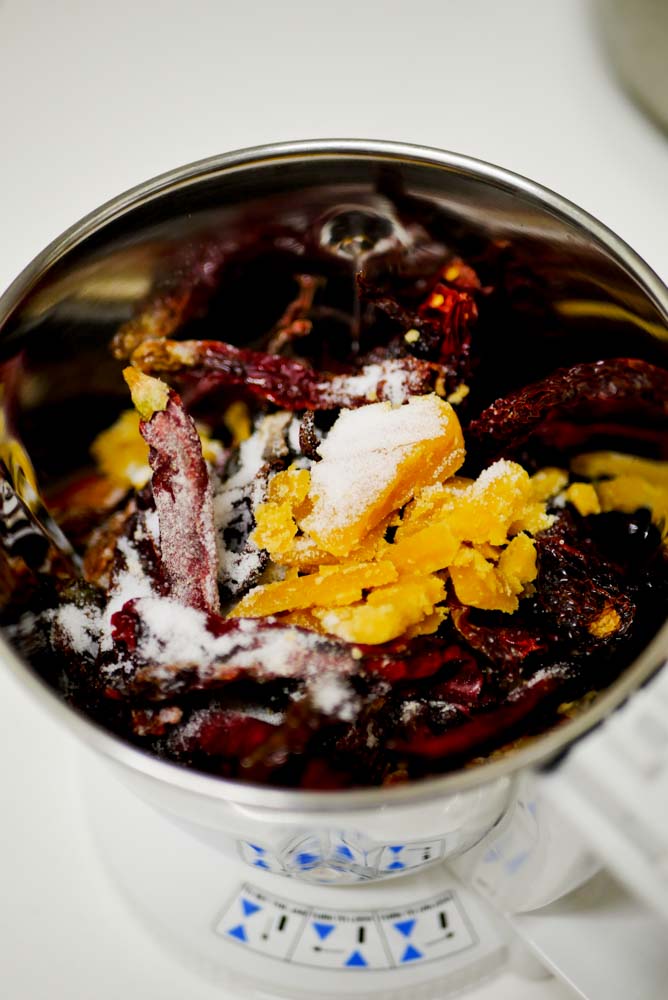
Let all the ingredients cool to room temperature. Now its time to grind the flax seed idli podi. Grind all the lentils, chillies and seasonings to a fine powder.
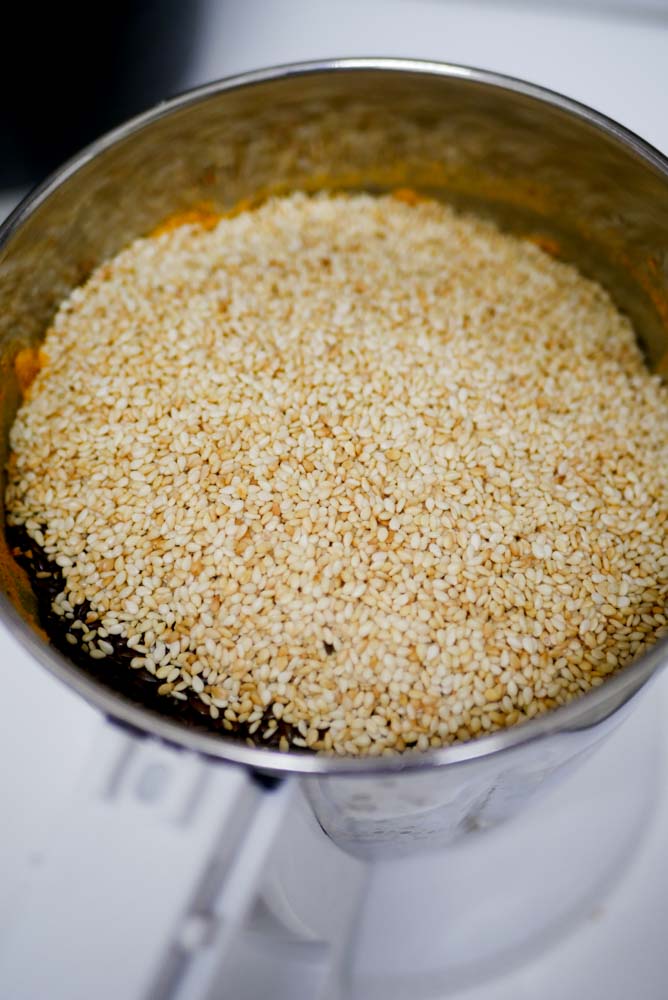
Once its ground to a fine powder, then add in the sesame seeds and flax seeds on top of the lentil mixture and pulse it several times in the mixie. If the sesame seeds are not ground properly, it means that you have overloaded the mixie. Reduce the quantity and grind. We like the podi to be fine at our home. Grind the flax seed chutney powder / flax seed idli podi to your liking. There are two things on why we do this: Grinding the seeds separately makes the seeds to ooze out oil. So always grind along with the lentil powder. Lentil powder is our safety guard. You may ask if its ok to grind the lentils and seeds together instead of grinding the lentils first and then adding the seeds and grinding again – Remember that roasted seeds grind fast and becomes into oil in no time. Whereas lentils take a longer time to grind. So grind the lentils first and once it is a powder, add the seeds and grind again so we are safe.
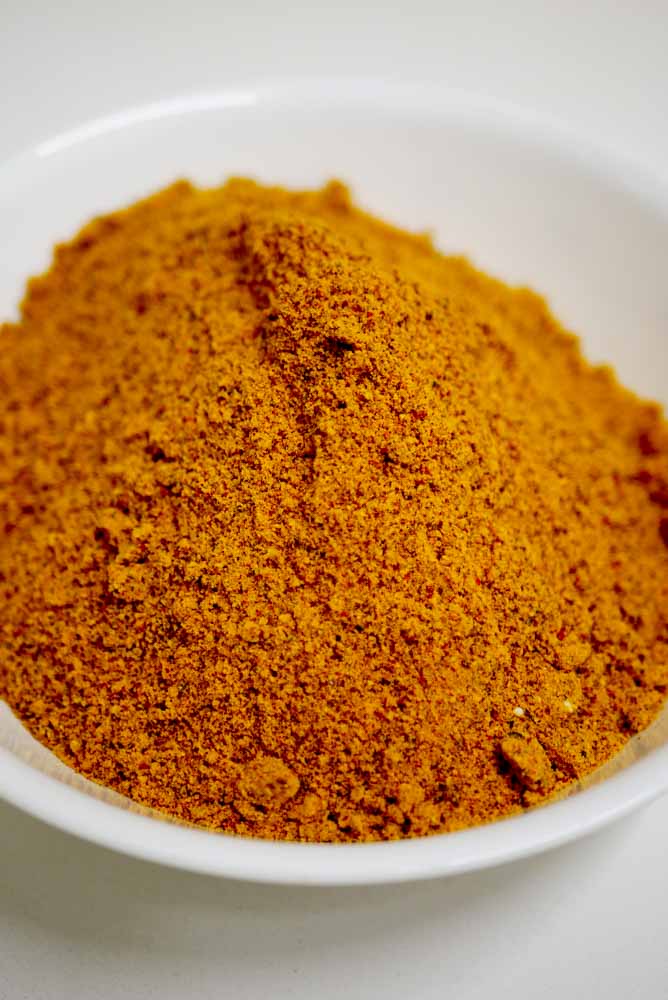
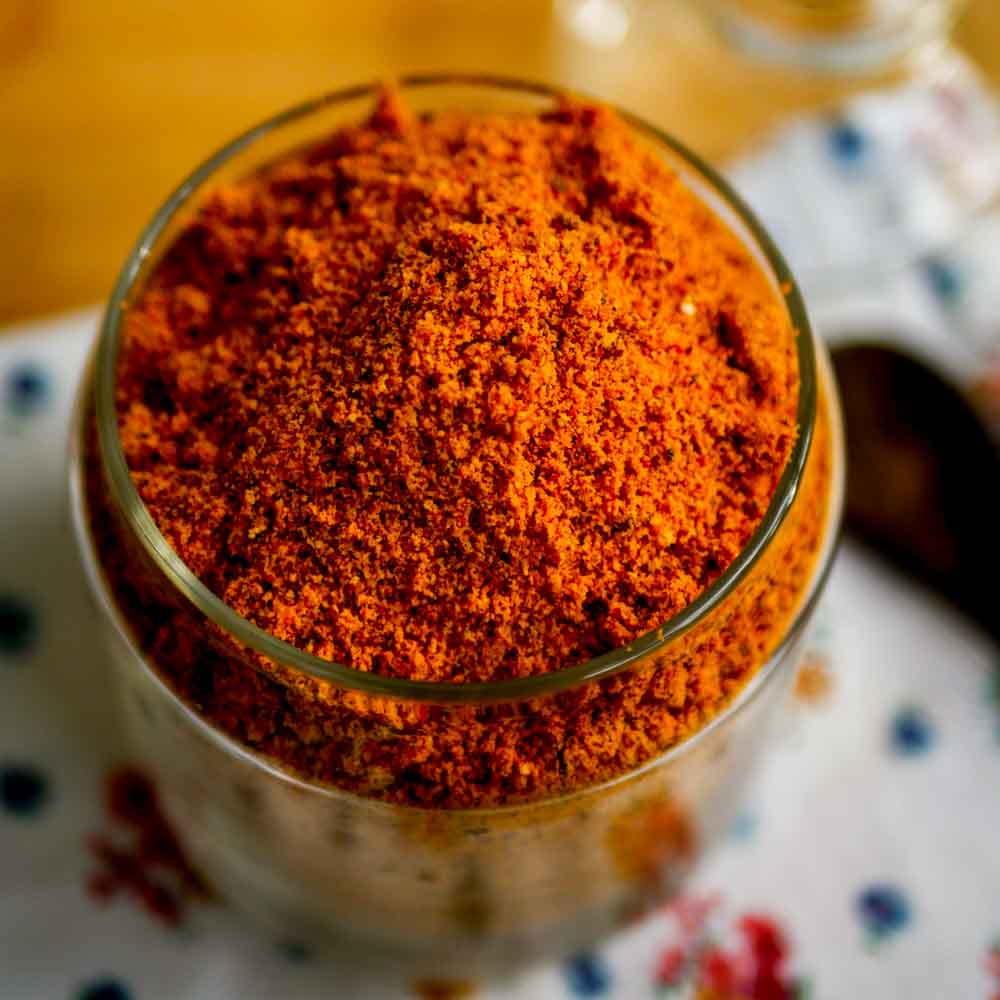
Flax seeds idli podi / flax seeds chutney powder is ready.
You can store this idli milagai podi / idli molaga podi at room temperature for upto 15-20 days. If you are going to need it for a longer time, then store the podi in zip tote bags in the freezer. It stays fresh for upto 4-5 months in the freezer.
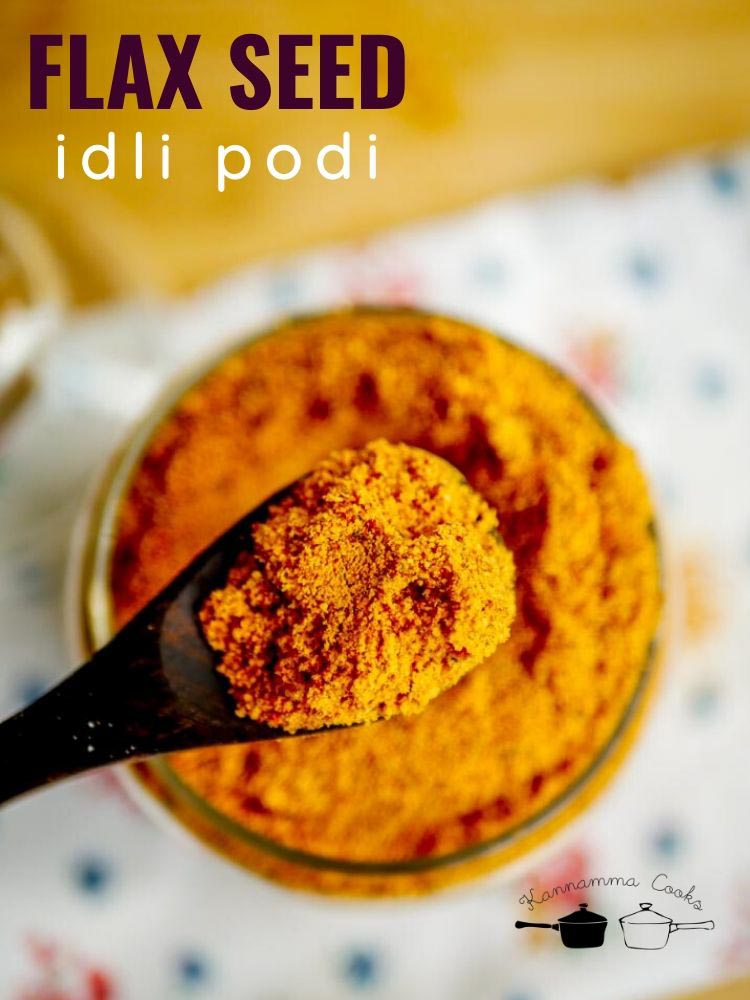
Mix the chutney powder either with sesame oil (nallennai) or ghee and serve with idli or dosa.
1 teaspoon Indian sesame oil
1/2 cup whole white unpolished urad dal
1/2 cup chana dal
15 byadagi chillies, dried
10 guntur red chillies, dried
1/3 cup sesame seeds
3/4 cup flax seeds
15 grams tamarind, seedless
1 tablespoon salt
1/2 teaspoon asafoetida
1.5 tablespoon jaggery
Add quarter teaspoon of Indian sesame oil and whole white unpolished urad dal. Use unpolished urad dal. Roast the lentil until it smells nutty and the dal turns color. Set aside on a plate to cool.
In the same pan and add in quarter teaspoon of Indian sesame oil and add chana dal (kadalai paruppu). Roast the chana dal in low flame until golden brown.Remove from the pan once the dal is golden. Set aside on a plate to cool.
Add in the flax seeds on the pan and slow roast till they pop. Set aside on a plate. Dry roasting will suffice. Flax seeds has a lot of essential oil.
Place the pan back again on the stove and add in the sesame seeds. Dry roast on low flame till golden. Roast on low flame until it starts to pop. Remove the seeds from the pan and set aside on a separate plate to cool. Keep the roasted lentils and the seeds separately.
Add in little oil and roast the chillies and tamarind. I use a combination of the regular guntur chillies and my favorite byadagi chillies. The byadagi chillies are not hot. But they give a very nice colour to the podi. If you cannot get byadagi chillies, please substitute kashmiri red chillies. Also adjust the chillies according to the taste of your family.
To the roasted ingredients, add in the salt, asafoetida and the jaggery.
Grind all the ingredients to a fine powder. Idli podi is ready.
Author: Suguna Vinodh
Prep Time: 5m
Cook Time: 10
1 teaspoon Indian sesame oil
1/2 cup whole white unpolished urad dal
1/2 cup chana dal
15 byadagi chillies, dried
10 guntur red chillies, dried
1/3 cup sesame seeds
3/4 cup flax seeds
15 grams tamarind, seedless
1 tablespoon salt
1/2 teaspoon asafoetida
1.5 tablespoon jaggery
Add quarter teaspoon of Indian sesame oil and whole white unpolished urad dal. Use unpolished urad dal. Roast the lentil until it smells nutty and the dal turns color. Set aside on a plate to cool.
In the same pan and add in quarter teaspoon of Indian sesame oil and add chana dal (kadalai paruppu). Roast the chana dal in low flame until golden brown.Remove from the pan once the dal is golden. Set aside on a plate to cool.
Add in the flax seeds on the pan and slow roast till they pop. Set aside on a plate. Dry roasting will suffice. Flax seeds has a lot of essential oil.
Place the pan back again on the stove and add in the sesame seeds. Dry roast on low flame till golden. Roast on low flame until it starts to pop. Remove the seeds from the pan and set aside on a separate plate to cool. Keep the roasted lentils and the seeds separately.
Add in little oil and roast the chillies and tamarind. I use a combination of the regular guntur chillies and my favorite byadagi chillies. The byadagi chillies are not hot. But they give a very nice colour to the podi. If you cannot get byadagi chillies, please substitute kashmiri red chillies. Also adjust the chillies according to the taste of your family.
To the roasted ingredients, add in the salt, asafoetida and the jaggery.
Grind all the ingredients to a fine powder. Idli podi is ready.
Author: Suguna Vinodh
Prep Time: 5m
Cook Time: 10
Find it online : https://www.kannammacooks.com/flax-seed-idli-podi-recipe/
Food brings people together. The memories made when a family breaks a meal together are unparalleled, and this makes kitchens the most integral space of a home. Indoor kitchens are great for traditional cooking, but when it comes to festive cooking that can whiz up a party, and bring people together, rustic outdoor kitchens do the trick. Outdoor kitchens have taken the home-setup realm by a storm. Many people aspire to develop an outdoor kitchen that has an affordable grill for first-time buyer , durable appliances, and a washing space so that the offerings of spring and summer can be enjoyed to the fullest. Here is a comprehensive guide to assist you in setting up the outdoor kitchen of your dreams.
Select An Appropriate Location The location takes care of several logistics that are essential for seamless cooking. There are multiple factors to consider. Firstly, make sure that you establish a dedicated space that is considerably away from living spaces so that whenever you get grilling, the smoke doesn’t find its way into your living area.
While your outdoor kitchen should be strategically placed away from the living area, make sure that there is still a connection with the main kitchen. This is important because most of your ingredients prep will take place in the traditional cooking area, such as marinating ingredients, refrigerating them, and cutting meat and vegetables.
Storage is also important. Going for an area close to a backyard will be beneficial as the protected space of the yard can serve as a temporary pantry to store cooking amenities, protected from the harshness of the climate.
Setup A Shade If you already have a patio, then using it as a kitchen space will do the trick. Setting up shade is important to protect your appliances from the wrath of rain. When there’s a shade on the top, you have the leverage to both enjoy the weather, and have an uninterrupted cooking experience. You would never want a grilling session to be swept away with water.
Let’s Talk Appliances Minimalism is the way to go when selecting the range of appliances to be included in the outdoor kitchen. We suggest that you go for multi-purpose cooking essentials that can undertake a different range of cooking methods. Carnivore Style has a lot of reviews and guides that can help you out in choosing the best appliances for you. An oven and a grill will allow you to cook most cuisines, without having to invest space. If you are feeling a little extra, and really want your culinary instincts to heighten, getting a dedicated artisanal pizza oven will allow you to enjoy some high-quality pizza in the comfort of home.
Final Thoughts Establishing an outdoor kitchen is an elaborate project and requires thoughtful planning of various factors such as cost, logistics, space, and design. These tips will assist you in powering through the planning phase. When it comes to execution, and physical setup of the kitchen, we recommend that you go for durable fittings that can endure the externalities posed by shifting seasons, and can allow a smooth cooking experience, whenever you’re in the mood for an outdoor celebration.
