
Essential Fruit & Vegetable Safety Tips
Taking food safety seriously reduces the likelihood of getting food poisoning and other food-borne illnesses when cooking delicious meals . The recent hepatitis A outbreak caused by frozen strawberries shows how easy it is for fruit and vegetables to be contaminated. With 24% of Americans using fruit and veggies in their cooking daily, you must know how to store and prepare them safely.
Know when you should and shouldn’t refrigerate
Refrigerating fresh fruit and vegetables often keeps them fresher for longer. This means you don’t have to shop so often for ingredients to make your favorite meals. But some items don’t belong in the fridge, including apples, bananas, mangoes, melons, peppers, sweet potatoes, eggplants, and onions. When storing fruits and veggies in your refrigerator, keep them away from raw meat, poultry, and seafood as these could contaminate your fresh produce. If you buy frozen fruit and vegetables, put them in your freezer as quickly as possible after buying them. Any fruit or vegetable that has completely thawed and has warmed up, shouldn’t be refrozen due to the risk of bacteria.
Protect them from pests
It’s estimated that 50% of all fruit and vegetables produced are thrown away each year. Often, this is because pests have gotten to them and spoiled them. Fruit flies are a common issue as they love the sugar in fruit. They also like organic material that’s found in damp areas , such as your kitchen cloths, sponges, the sink, and the drain. Keep fruit flies away by keeping your kitchen as dry as possible. Mosquitoes, ticks, and rodents are also common in kitchens as they find fruit and vegetables appealing. Any items that are kept in a fruit bowl or vegetable basket should be covered, to stop pests from infesting your food .
Always wash them
The good news is that you don’t need to wash fruit and vegetables that have been pre-washed. The packaging will say whether it’s been washed or not. All other produce should be washed before eating. Failing to wash them could put you at risk of consuming bacteria or pesticides. Washing fruit and veggies is simple as all you need to do is wash them under running water. A scrubbing brush is handy for stubborn dirt found on food such as potatoes. There’s no need to use soap or any other detergent on them.
Know what not to eat
You need to be able to recognize when fruit and vegetables have gone past their best and should be thrown away. You shouldn’t taste them to find out, though, as if it is bad, you’ll put bacteria into your mouth. A bad smell, discoloration, mold, and wrinkly peel or skin are signs that fruit and veggies shouldn’t be eaten. If there’s just one small part that’s gone bad, it’s safe to cut it off and use the rest of it in the recipe you’re making.
Fruit and vegetables should be enjoyed in lots of different recipes. To make sure your next meal is a safe and tasty one, take a little time to store and prepare your fresh produce properly.
Article Contributed by Cindy
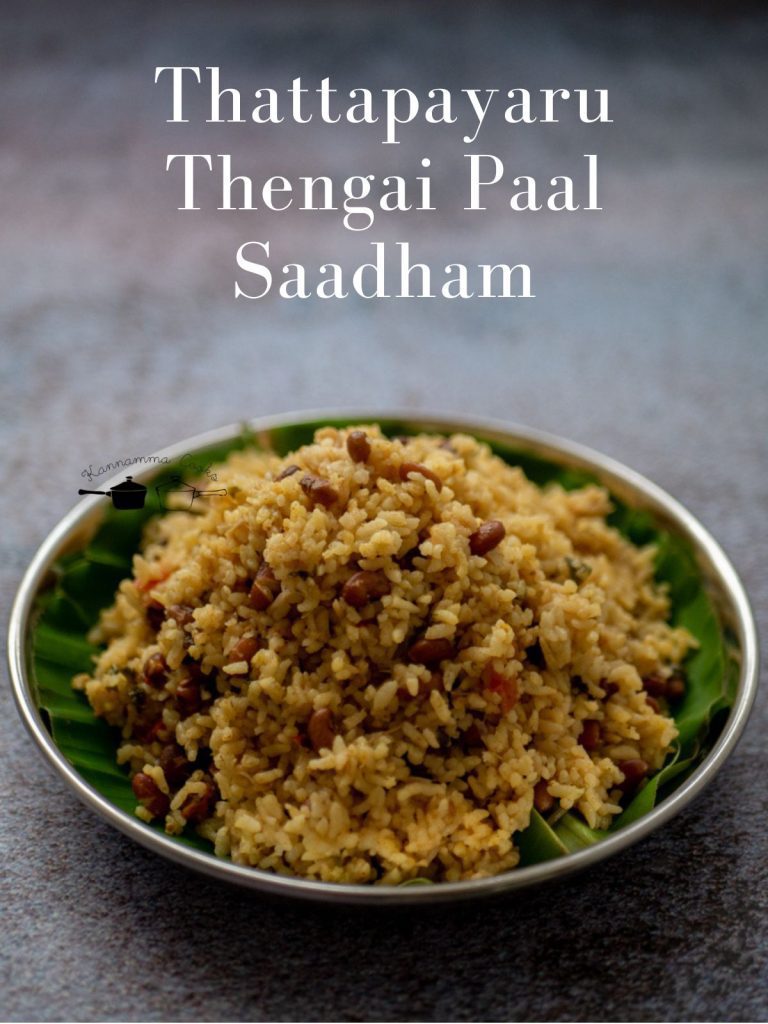
One pot pulao recipe made with cowpea and rice. The addition of coconut milk makes the pulao very rich. Perfect for packing for lunch box.
Any variety of fragrant rice works well in this recipe. I have used Gandhasaale Fragrant Rice. Seeraga samba rice and Basmati rice can also be used for this recipe. Gandhasaale / Gandhakasala Fragrant Rice is a variety of raw rice that grows in the Western Ghats in Kerala. The grains are small, plump, and have a great aroma. It works beautifully in South Indian style biryanis and pulao. The whole house fills up with a heady fragrance when you cook with this rice. The other prized rice from the western ghats is the Jeerakasala rice that most of us are familiar with. Both Jeerakasala and gandhakasala rice come under the GI Tag.
The rice-to-water ratio when cooking pulao in a pressure cooker is 1 rice: 1.5 liquid. In this recipe, for 2 cups of rice, the ideal liquid to be used would be 3 cups. But since we are cooking cowpea along, I have used 3.5 cups liquid ( 2.5 cups water + 1 cup coconut milk). A little liquid extra to cook the cowpea.
Here are the things you can buy online for making this recipe Bergner Tri-ply pressure Cooker Pan https://amzn.to/3S5ksxP Heavy Duty Indian Mixie https://amzn.to/3GptNKD
Here is the video of how to make Thattapayaru Thengai Paal Saadham | Cowpea Coconut Milk Pulao
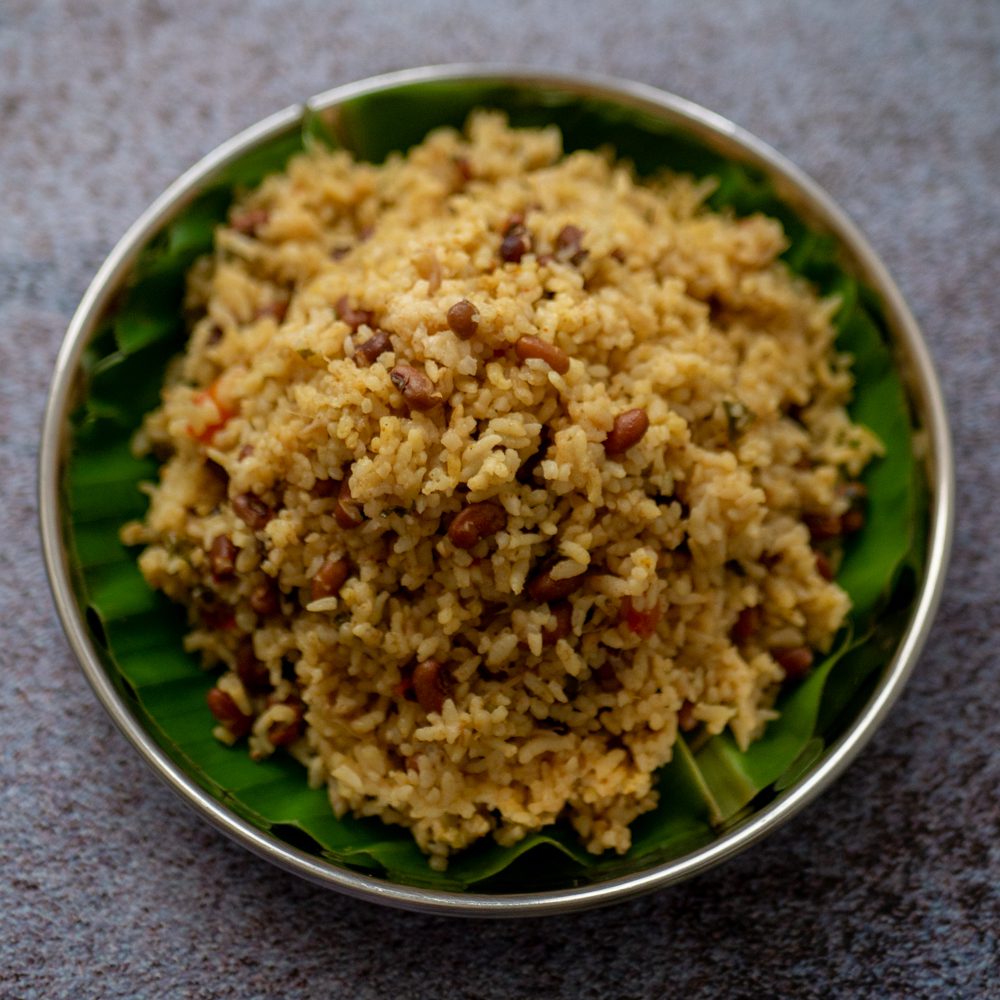
Main Ingredients
2 cups rice 1/2 cup cowpea (thattapayaru) 2 tablespoon coconut oil 1 -inch piece of cinnamon 1 -star anise 2 cloves 2 cardamom 1 sprig of curry leaves 3/4 cup onions, sliced 1/2 teaspoon red chilli powder 1/4 teaspoon turmeric powder 1/2 teaspoon garam masala 2.5 cups water 1.5 teaspoon salt 1/4 cup mint leaves 1/4 cup coriander leaves 1 cup coconut milk 1/2 of a lime, juiced
For the masala paste
1 pod garlic 1 inch piece ginger 1/2 teaspoon fennel seeds 3 green chillies 1/4 cup water to grind 2 tomatoes, chopped
Prep Work
Wash and soak the cowpea in water overnight. Wash and soak the rice just before starting to cook. Grind everything listed under masala paste to a fine paste.
Method
Take a pressure pan and heat little oil. Add the whole spices and the curry leaves. Add the sliced onions and saute till the onions are nice and brown. Add the red chilli powder, turmeric powder and garam masala powder. Saute for a few seconds. Add the ground masala paste and tomatoes. Cook till the tomatoes are soft and mushy. Add the soaked and drained cowpea to the pan. Add the water and the salt and cook for about 15 minutes till the cowpea is almost 75% done. Add the mint leaves and the coriander leaves. Add the coconut milk. Add the soaked and drained rice and the lime juice. Mix well. Cover the pan and cook for two whistles – It should take about 4-5 minutes. Remove from heat and wait for the pressure to settle. Open the cooker and gently mix. Serve hot.
Notes
Any variety of fragrant rice works well in this recipe. I have used Gandhasaale Fragrant Rice. Seeraga samba rice and Basmati rice can also be used for this recipe.
The rice-to-water ratio when cooking pulao in a pressure cooker is 1 rice: 1.5 liquid. In this recipe, for 2 cups of rice, the ideal liquid to be used would be 3 cups. But since we are cooking cowpea along, I have used 3.5 cups liquid ( 2.5 cups water + 1 cup coconut milk). A little liquid extra to cook the cowpea.
- Author: Suguna Vinodh
- Prep Time: 30m
- Cook Time: 30m
